







Small choices, big impact: Rethinking packaging at home


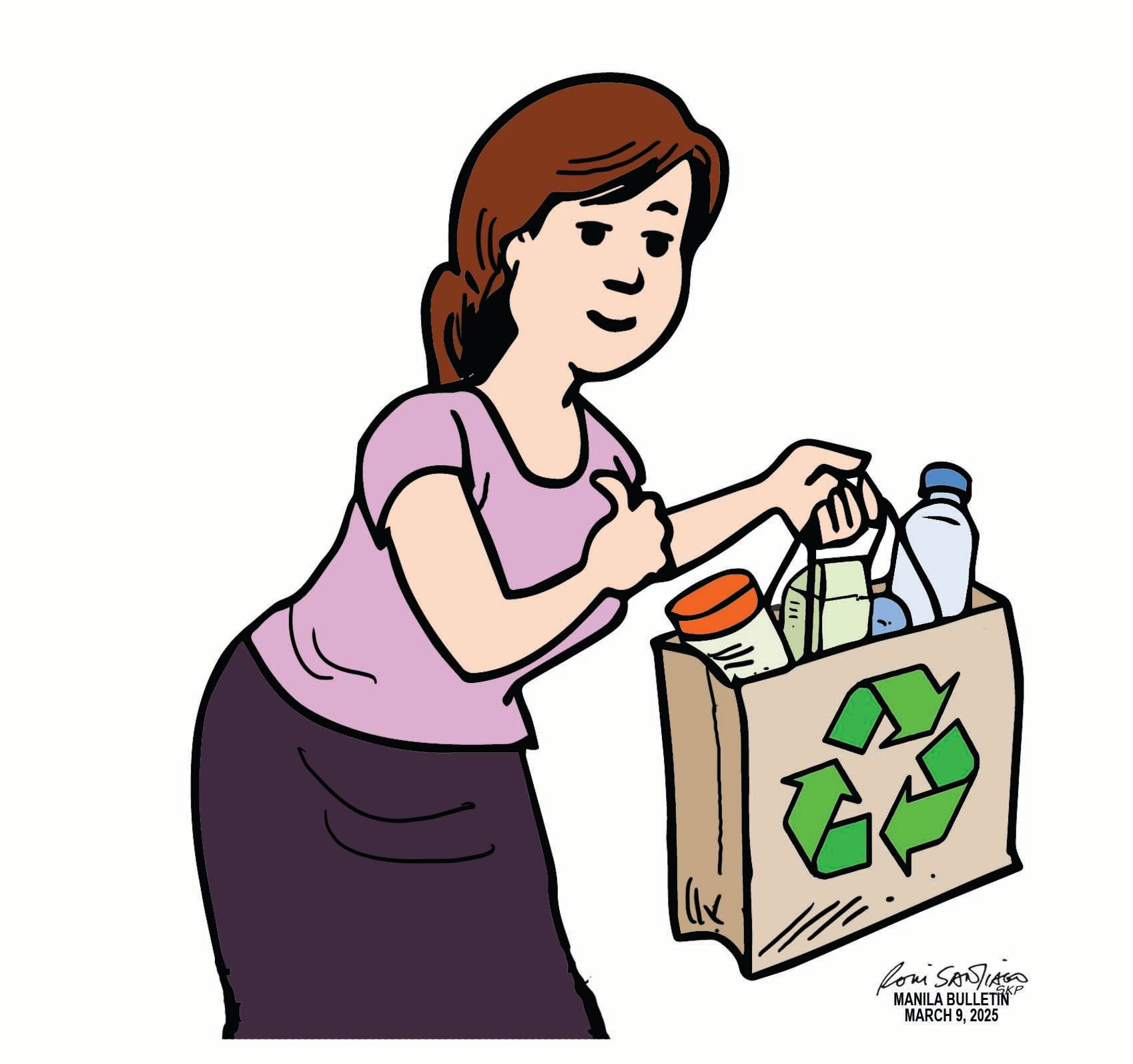
The convenience of plastic has made it deeply embedded in daily life. It’s Sunday when things like that become more apparent. Look around the house, especially in the kitchen and bathroom. From sachets of shampoo to plastic grocery bags, Filipino households generate a significant amount of plastic waste, much of which ends up in waterways and landfills.
The Philippines has long struggled with plastic pollution, ranking among the world’s top contributors to ocean waste. In a 2024 report, the Philippines Climate Change Commission said “approximately 2.7 million tons of plastics are discarded annually,” quoting statistics from the UN Development Program and the World Bank. “Data from the Department of Environment and Natural Resources (DENR) showed that of the estimated 61,000 metric tons of solid waste generated daily in the Philippines, up to 24 percent is plastic, composed mostly of consumer goods packaging, cutlery, and shopping bags.”
The problem is, “less than 10 percent of the plastics we discard actually get recycled; the rest gets dumped, incinerated, or mismanaged.”
While government policies and corporate responsibility play vital roles, individual choices at home can greatly contribute to solving this problem. Assessing one’s packaging choices and making sustainable decisions can help reduce the country’s growing plastic waste crisis.
Plastic pollution in the Philippines is a serious environmental threat. The widespread use of single-use plastics—such as disposable food containers, plastic straws, and sachet packaging—has led to clogged drainage systems, flooding, and marine pollution. Many Filipino households rely on small, single-use sachets due to affordability, but this has resulted in massive waste buildup. After floods, photos of heaps of sachets and plastics floating in the rivers get attention in social media, but then quickly are forgotten.
The government has taken steps to address this issue, including local bans on single use plastics and the implementation of the Extended Producer Responsibility (EPR) Law, which holds businesses accountable for their plastic waste. However, policies alone are not enough. Consumers must also take responsibility for their choices, especially when it comes to packaging. Every household plays a part in either worsening or alleviating the plastic crisis.
One of the first steps in reducing plastic waste is evaluating the types of packaging used at home. Today would be a good time for households to assess their choices according to packaging. The simple choices start with simple questions like – is this packaging reusable or recyclable, or has a plastic-free alternative?
There are more small choices that households can start making today. Start with bringing reusable bags when shopping; buying in bulk to minimize plastic waste from individually wrapped items; using reusable food containers instead of disposable takeout boxes; practicing proper waste segregation and recycling at home; and encouraging family members to adopt plastic-free habits.
The fight against plastic pollution does not rest solely on the government or big corporations. Every household has the power to make a difference by reassessing its packaging choices and shifting toward sustainable habits.
Small changes can collectively create a significant impact. When multiplied across millions of Filipino homes, these efforts can reduce plastic waste, protect the environment, and promote a more sustainable future.
The responsibility lies in the hands of individuals. By making mindful packaging choices today, we contribute to a cleaner, healthier, and plastic-free tomorrow. The challenge is clear: start small, stay consistent, and inspire others to do the same.