






 Environment and Sustainability
IP leader Josefa Tauli draws wisdom from womanhood to conserve biodiversity
Environment and Sustainability
IP leader Josefa Tauli draws wisdom from womanhood to conserve biodiversity
IP leader Josefa Tauli draws wisdom from womanhood to conserve biodiversity
By Mat Richter


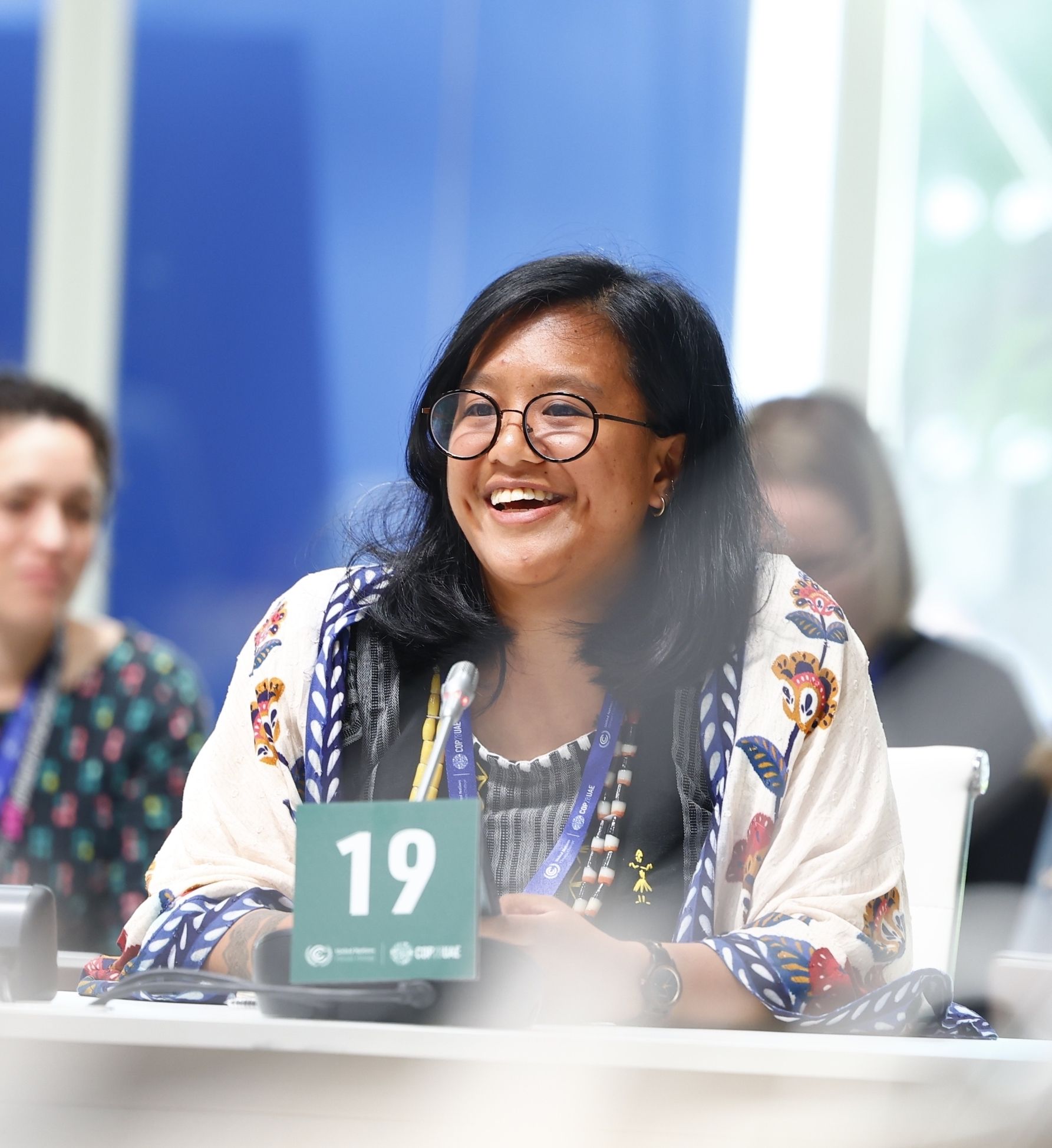
A shepherd of soil and seas, Josefa Tauli, 29, grew up in the greenery-rich Cordillera alongside brave and wise women who molded the leader she is today.
Indigenous Peoples (IPs), she said, have governed, managed, sustainably used, and conserved their territories for millennia. As an Ibaloi-Kankanaey Igorot, she now strengthens and promotes these practices across the Philippines and globally.
“Women are healing the Earth by caring for nature and each other, staying compassionate and kind, and building community, all as they push against a patriarchal system that harms them and the planet,” she told Manila Bulletin.
On International Women’s Day, Tauli takes the spotlight to share what it means to be a woman at the forefront of conservation.
HERitage of knowledge
Tauli recalls her mother, an indigenous activist, sharing a speech that has since lingered in her principles.
"In one of her speeches some years back, she said that our collective movements for a better world strongly continue today because of wisdom, courage, and a strong sense of community," she expressed, pointing out that nurturing these traits can bring the change our country and planet need.
Despite having key land roles, women still face gender bias in conservation, especially in rural areas and during decision-making processes. These need to be addressed, she said, by ensuring that policies, programs, and actions are gender-responsive.
“This can be achieved, for example, by analyzing and responding to gender differences, integrating gender considerations in budget allocation and monitoring, addressing inequities, and enabling women’s meaningful participation in decision-making,” she exemplified.
As guardians of much of the world’s biodiversity, IPs base their custodianship on reciprocity with the lands and waters that sustain them. But environmental defenders, Tauli said, still face threats and harassment for the work they do.
“We cannot safeguard biodiversity if we do not safeguard those at the frontlines of its defense, many of whom are Indigenous Peoples, including women,” she said. “Our environmental policies need to secure Indigenous Peoples’ rights, including land rights and free, prior, and informed consent, while supporting communities’ processes to strengthen their governance systems and transmit traditional knowledge.”
The IP leader also pressed on the need to acknowledge women and youth’s efforts in conserving biodiversity, including environmental restoration, capacity-building, research and development, and policy advocacy.
"What everyone must do is recognize these efforts, support them, and improve our systems to really enable women to lead. We need to take down the many barriers that keep them from participating and, at the same time, respond actively to their specific needs and priorities," she urged.
A woman of wisdom
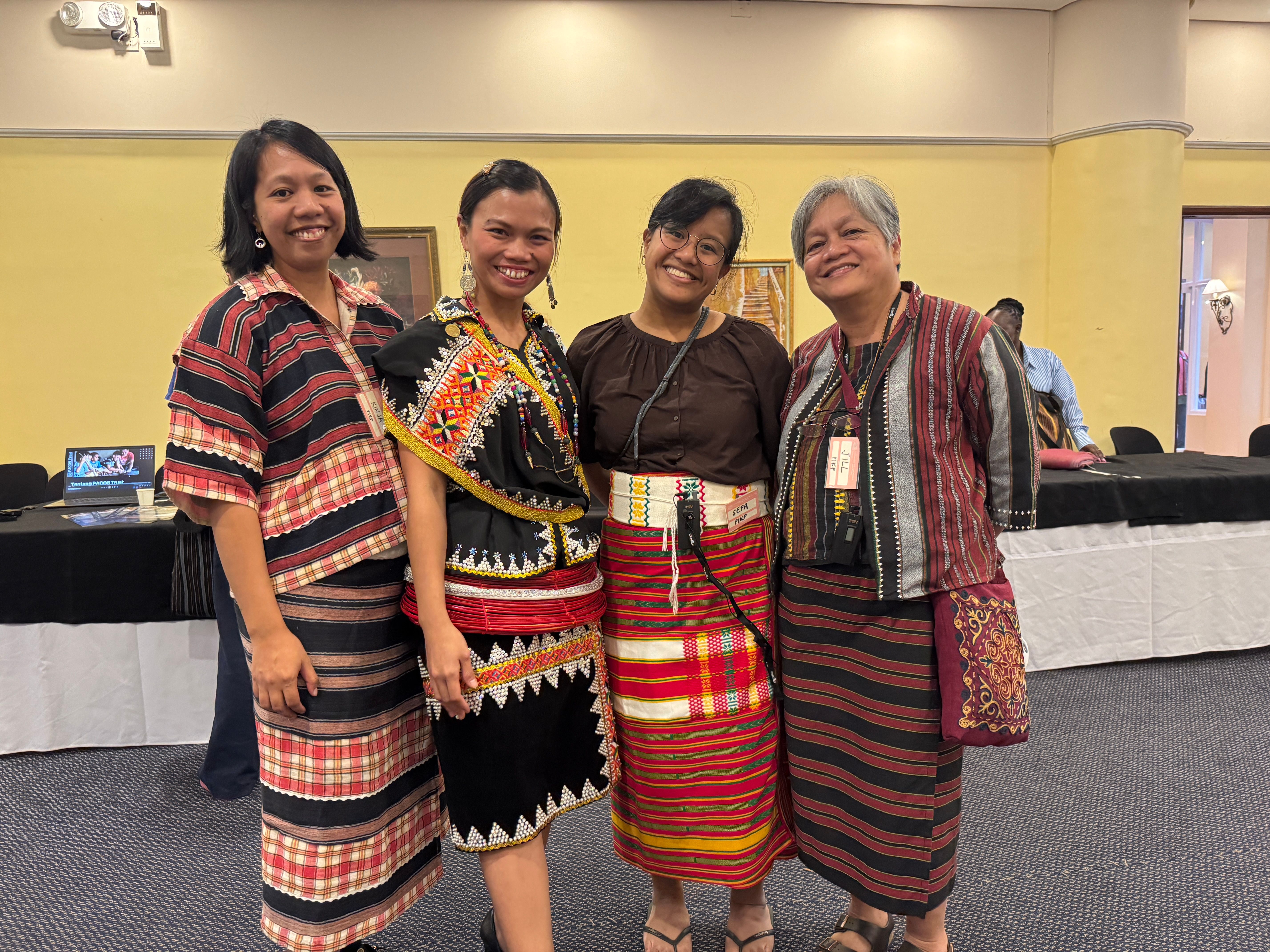
Tauli currently works at Partners for Indigenous Knowledge Philippines (PIKP), where she boosts and promotes indigenous knowledge.
This is achieved by revitalizing indigenous food systems, promoting intergenerational knowledge transmission, supporting community-based conservation, and monitoring through policy advocacy at local, national, and international levels.
Working primarily in advocacy, she also focuses on supporting the coordination of the coalition Indigenous Peoples and Biodiversity Coalition PH.

“Over the past years, we’ve come together to strengthen and support these grassroots initiatives and at the same time jointly advocate for national biodiversity policies that align with, recognize, and respect Indigenous Peoples’ rights and roles,” she highlighted.
As a policy coordinator of Global Youth Biodiversity Network, she has co-coordinated its participation in the international biodiversity policy arena.
“We talk directly with decision-makers to support our positions, participate in negotiations, hold press conferences, stage peaceful demonstrations, share what’s happening on social media, and many other strategies to amplify our priorities so that they influence the policies being crafted in the meetings and how they are implemented on the ground,” she explained.
Looking ahead, she aims to support the Indigenous Peoples Biodiversity Strategy and Action Plan, a document they developed for indigenous-led biodiversity conservation in the country.
“Work is already underway to localize this plan in more communities, raise resources for the planned actions, and develop information materials to share it more widely,” she added.
Indigenous women have long led society toward progress. For Tauli, this means protecting the Earth and those who've conserved it since time immemorial. Today, she proves further that leadership has never been a trait to be gendered, as they have demonstrated with compassion for millennia.