






 Philippines
National
Philippine Red Cross pushes for first aid training in every home amid extreme heat
Philippines
National
Philippine Red Cross pushes for first aid training in every home amid extreme heat
Philippine Red Cross pushes for first aid training in every home amid extreme heat


Emphasizing the need for immediate medical response during emergencies—especially amid the country's extreme heat—the Philippine Red Cross (PRC) is urging every household to have at least one trained first aider.
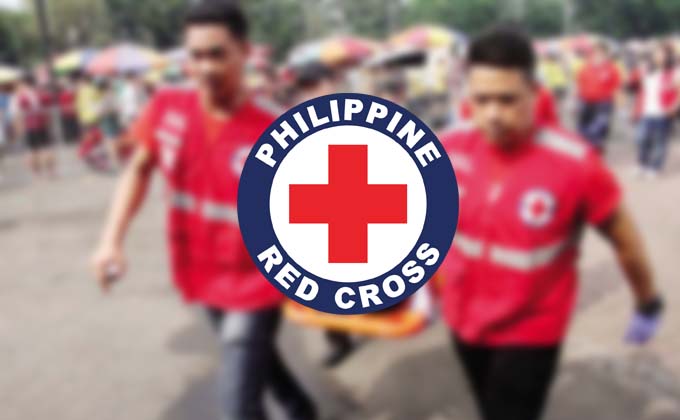
PRC Chairman and Chief Executive Officer (CEO) Dick Gordon, in a statement, underscored the importance of equipping families with life-saving skills to enhance community safety and preparedness.
Gordon also reiterated the critical role a trained first aider plays in saving lives, particularly during the ongoing heat waves, which can cause heat-related emergencies such as heat stroke and heat exhaustion. These conditions are commonly experienced by individuals with prolonged outdoor exposure, such as courier and delivery riders.
“The Red Cross is calling on the public to have trained first aiders in every home and establishment since heat stroke is rampant due to rising temperatures,” Gordon said.
“We have two million volunteers nationwide, but no first responder can act as quickly as a neighbor, a family member, or a co-worker,” he explained. “When that person knows first aid, further injuries and loss of lives can be averted,” Gordon added.
The PRC said it offers quality and affordable life-saving courses, including Standard First Aid and Basic Life Support, Occupational First Aid and Basic Life Support, Emergency First Aid, Junior First Aid, Basic Life Support CPR, Basic Life Support Adult CPR for Lay Rescuers, Basic Life Support Infant and Child CPR, and Water Safety Programs.
Interested individuals may contact PRC Safety Services at [email protected].
From Jan. 1 to March 5 this year, the PRC reported training 22,851 first aiders.
Heat index
The Philippine Atmospheric, Geophysical, and Astronomical Services Administration (PAGASA) has been monitoring and releasing heat index forecasts across various areas nationwide.
Classes in several areas have also been suspended this week due to high temperatures.
According to PAGASA, heat indices ranging from 42°C to 51°C are classified as "danger," while those exceeding 52°C fall under the "extreme danger" category, where heat stroke is imminent.
RELATED STORY: