ADVERTISEMENT

President Trump gives US automakers 1-month tariff exemption

Cars from Mexico and Canada are temporarily exempted

Published Mar 6, 2025 01:04 am

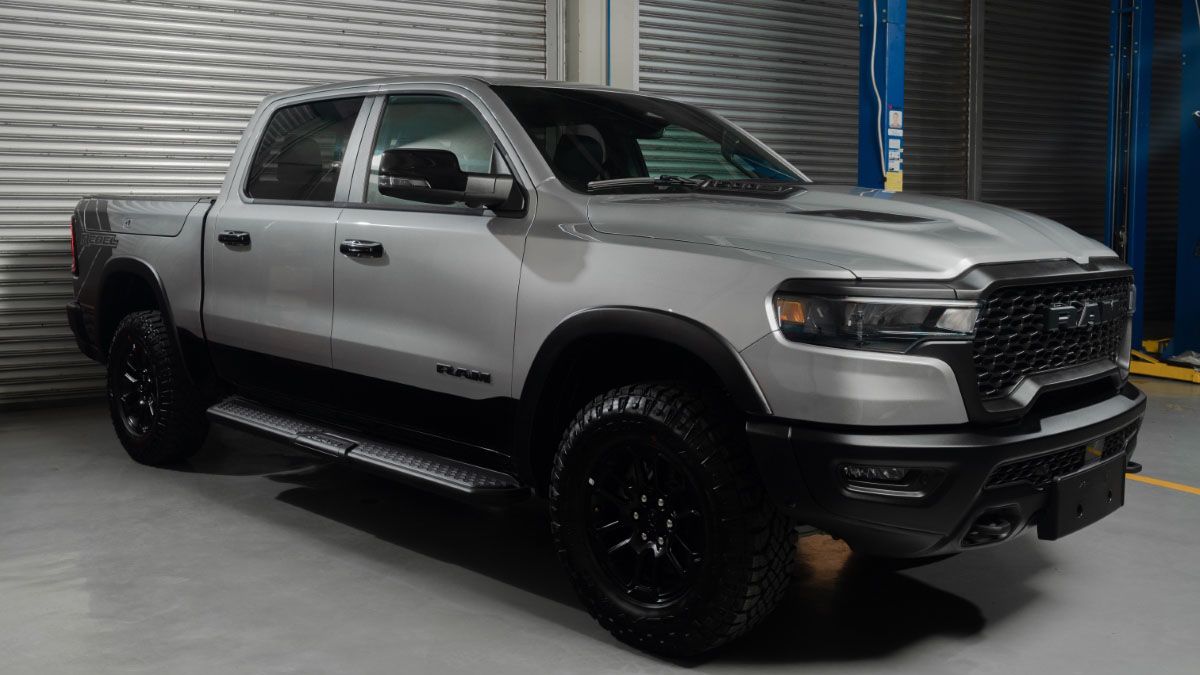
030125RamRebel1.jpg

US automakers can breathe a sigh of relief for the mean time as President Donald Trump has granted an exemption on automobiles from Mexico and Canada for one month. This was announced by White House Press Secretary, Karoline Leavitt.

Trump spoke with Ford, General Motors and Stellantis, agreeing to grant them a reprieve to ensure America’s Big Three automakers aren’t harmed financially. This is merely a pause, however, and the White House has yet to announce if this will be temporary or permanent.

The tariffs are part of an across-the-board 25% tariff levied on products from Mexico and Canada imposed earlier in the week. This concession may allow US-automakers to front-load stocks of vital parts and completely built-up vehicles from Mexico and Canada in order to stave the expected price increases in vehicles once the exemption has expired.

052524FordBronco4.jpg

Automakers argue that the tariffs will radically increase the price of automobiles from US$8,000 to as much as US$12,000 or more per vehicle. This is because many US automakers operate vehicle factories in Canada and Mexico, producing a wide variety of models from utility vehicles, to pickups, to compact family cars.

In addition, the tariff can radically effect the price of parts and components of these vehicles. Steel or aluminum from Canada may be brought into the US to make body panels or engine components and shipped back out to overseas factories to be fitted into vehicles assembled there. In some cases car components may cross the borders several times, incurring a tariff each time they pass. Metal products may be refined into wiring, then sent back out and made into a component, which is then imported back into the US to make a larger component, and shipped back out to be fitted into a vehicle assembled abroad.

061324ChevroletTahoe2.jpg

The Trump administration is using the tariffs to encourage the creation of more vehicle manufacturing facilities and associated industries in the US rather than importing them. The tariffs are also being used to leverage Canada and Mexico into strengthening their border protection, particularly towards preventing the illegal entry of the fentanyl drug.

However, automakers argue that moving manufacturing back to the US takes time, money, and strategic planning. A vehicle manufacturing facility takes 4-5 years to construct and billions of dollars in investment, and cannot be done in just a month’s time.
Nonetheless, the automakers were thankful for the reprieve and look forward to continue dialogue with the administration with regard to this issue.

European and Asian automakers could be next as Trump plans to impose reciprocal tariffs across the globe, which are set to be announced on April 2. This may greatly affect the price of vehicles imported to the US from Europe and Asia.
 

Related Tags

President Donald Trump tariffs
ADVERTISEMENT
.most-popular .layout-ratio{ padding-bottom: 79.13%; } @media (min-width: 768px) and (max-width: 1024px) { .widget-title { font-size: 15px !important; } }

{{ articles_filter_1561_widget.title }}

.most-popular .layout-ratio{ padding-bottom: 79.13%; } @media (min-width: 768px) and (max-width: 1024px) { .widget-title { font-size: 15px !important; } }

{{ articles_filter_1562_widget.title }}

.most-popular .layout-ratio{ padding-bottom: 79.13%; } @media (min-width: 768px) and (max-width: 1024px) { .widget-title { font-size: 15px !important; } }

{{ articles_filter_1563_widget.title }}

{{ articles_filter_1564_widget.title }}

.mb-article-details { position: relative; } .mb-article-details .article-body-preview, .mb-article-details .article-body-summary{ font-size: 17px; line-height: 30px; font-family: "Libre Caslon Text", serif; color: #000; } .mb-article-details .article-body-preview iframe , .mb-article-details .article-body-summary iframe{ width: 100%; margin: auto; } .read-more-background { background: linear-gradient(180deg, color(display-p3 1.000 1.000 1.000 / 0) 13.75%, color(display-p3 1.000 1.000 1.000 / 0.8) 30.79%, color(display-p3 1.000 1.000 1.000) 72.5%); position: absolute; height: 200px; width: 100%; bottom: 0; display: flex; justify-content: center; align-items: center; padding: 0; } .read-more-background a{ color: #000; } .read-more-btn { padding: 17px 45px; font-family: Inter; font-weight: 700; font-size: 18px; line-height: 16px; text-align: center; vertical-align: middle; border: 1px solid black; background-color: white; } .hidden { display: none; }
function initializeAllSwipers() { // Get all hidden inputs with cms_article_id document.querySelectorAll('[id^="cms_article_id_"]').forEach(function (input) { const cmsArticleId = input.value; const articleSelector = '#article-' + cmsArticleId + ' .body_images'; const swiperElement = document.querySelector(articleSelector); if (swiperElement && !swiperElement.classList.contains('swiper-initialized')) { new Swiper(articleSelector, { loop: true, pagination: false, navigation: { nextEl: '#article-' + cmsArticleId + ' .swiper-button-next', prevEl: '#article-' + cmsArticleId + ' .swiper-button-prev', }, }); } }); } setTimeout(initializeAllSwipers, 3000); const intersectionObserver = new IntersectionObserver( (entries) => { entries.forEach((entry) => { if (entry.isIntersecting) { const newUrl = entry.target.getAttribute("data-url"); if (newUrl) { history.pushState(null, null, newUrl); let article = entry.target; // Extract metadata const author = article.querySelector('.author-section').textContent.replace('By', '').trim(); const section = article.querySelector('.section-info ').textContent.replace(' ', ' '); const title = article.querySelector('.article-title h1').textContent; // Parse URL for Chartbeat path format const parsedUrl = new URL(newUrl, window.location.origin); const cleanUrl = parsedUrl.host + parsedUrl.pathname; // Update Chartbeat configuration if (typeof window._sf_async_config !== 'undefined') { window._sf_async_config.path = cleanUrl; window._sf_async_config.sections = section; window._sf_async_config.authors = author; } // Track virtual page view with Chartbeat if (typeof pSUPERFLY !== 'undefined' && typeof pSUPERFLY.virtualPage === 'function') { try { pSUPERFLY.virtualPage({ path: cleanUrl, title: title, sections: section, authors: author }); } catch (error) { console.error('ping error', error); } } // Optional: Update document title if (title && title !== document.title) { document.title = title; } } } }); }, { threshold: 0.1 } ); function showArticleBody(button) { const article = button.closest("article"); const summary = article.querySelector(".article-body-summary"); const body = article.querySelector(".article-body-preview"); const readMoreSection = article.querySelector(".read-more-background"); // Hide summary and read-more section summary.style.display = "none"; readMoreSection.style.display = "none"; // Show the full article body body.classList.remove("hidden"); } document.addEventListener("DOMContentLoaded", () => { let loadCount = 0; // Track how many times articles are loaded const offset = [1, 2, 3, 4, 5, 6, 7, 8, 9, 10]; // Offset values const currentUrl = window.location.pathname.substring(1); let isLoading = false; // Prevent multiple calls if (!currentUrl) { console.log("Current URL is invalid."); return; } const sentinel = document.getElementById("load-more-sentinel"); if (!sentinel) { console.log("Sentinel element not found."); return; } function isSentinelVisible() { const rect = sentinel.getBoundingClientRect(); return ( rect.top < window.innerHeight && rect.bottom >= 0 ); } function onScroll() { if (isLoading) return; if (isSentinelVisible()) { if (loadCount >= offset.length) { console.log("Maximum load attempts reached."); window.removeEventListener("scroll", onScroll); return; } isLoading = true; const currentOffset = offset[loadCount]; window.loadMoreItems().then(() => { let article = document.querySelector('#widget_1690 > div:nth-last-of-type(2) article'); intersectionObserver.observe(article) loadCount++; }).catch(error => { console.error("Error loading more items:", error); }).finally(() => { isLoading = false; }); } } window.addEventListener("scroll", onScroll); });

Sign up by email to receive news.