







ERC to open electricity market to household consumers


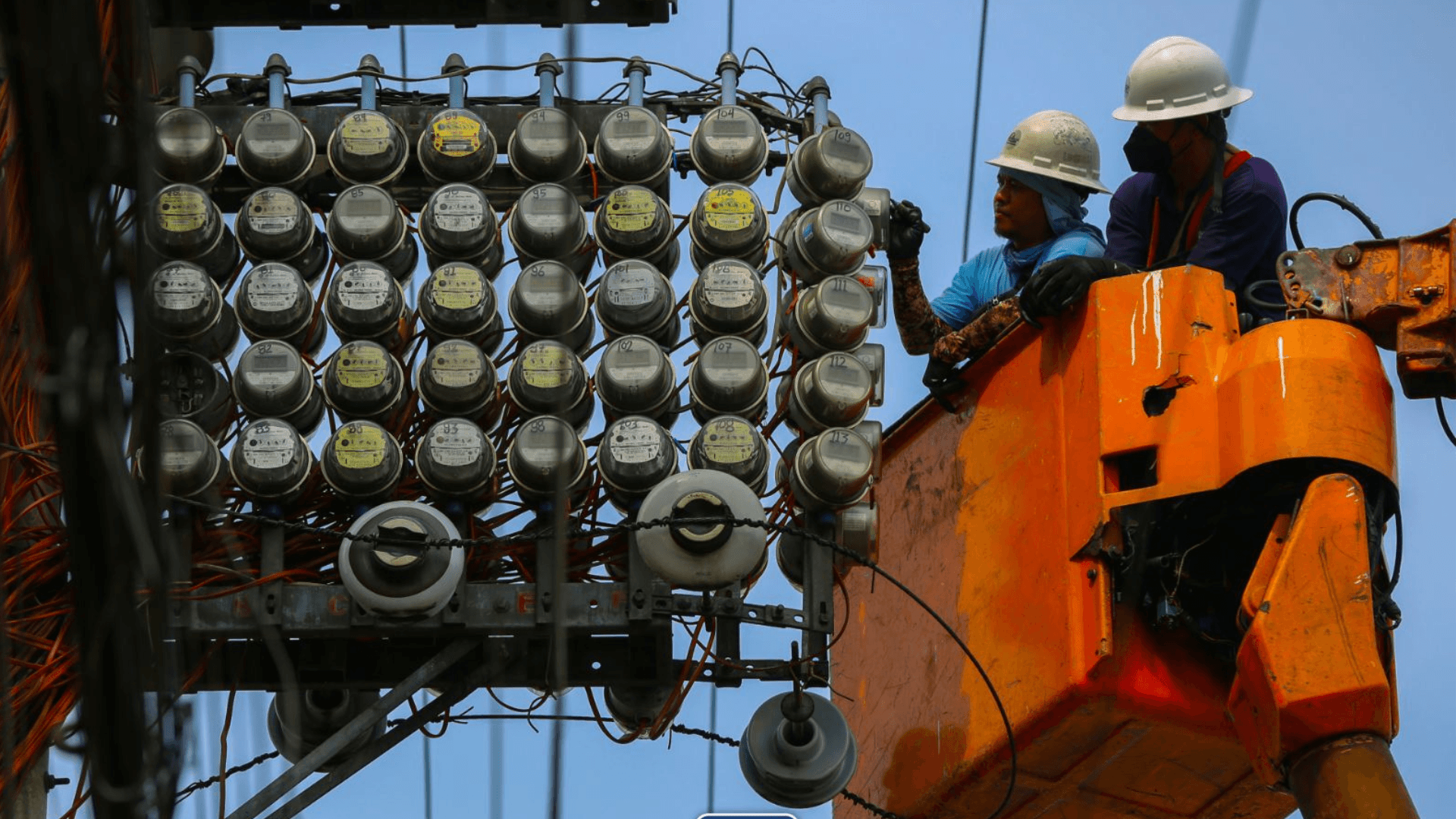
The Energy Regulatory Commission (ERC) has assured that retail aggregation is feasible down to the single household level.
ERC Chairperson Monalisa Dimalanta told reporters that while enabling residents to choose their electricity supplier through programs like retail competition and open access (RCOA) and retail aggregation program (RAP) is possible, implementation must be phased.
“Silently in our hearts, we are saying it’s already possible. We don’t have to declare lowering all the way to the household level, but we need to allow for aggregation,” she said during an interview.
RCOA was initially designed to allow establishments, businesses, and other large electricity consumers with an average peak demand of at least 500 kilowatt-hours (kWh) to select their retail electricity supplier (RES) based on their needs. Participants in the RCOA scheme saved nearly ₱19 billion in 2024.
Meanwhile, RAP allows two or more end-users within a contiguous area to aggregate a combined total demand of 500 kWh to enter the contestable market.
These programs are “in a way, our interim, our preparation for the actual lowering of the threshold to the household level,” Dimalanta added.
She explained the importance of preparing to reduce the threshold to 100 kWh by 2027, stating, “There are complications if you simply open the floodgates. If consumers are not prepared to negotiate their own individual contracts, it may lead to more problems than solutions.
“Let’s prepare everyone, and then we’ll have a more deliberate lowering of the threshold over the next few years.”
On March 5, the ERC conducted focus group discussions with various stakeholders to build a roadmap for the household threshold.
By the end of 2024, the ERC reported that approximately 3,769 eligible end-users met the contestability threshold, with a total demand of 6,465.30 MW. Its latest achievement was the inauguration of east zone concessionaire Manila Water’s RAP switching ceremony, where 10 of its facilities were aggregated into a contestable market.