The next frontier: key design and creative trends for 2025
Insights from industry leaders on designing the future
By Rey Ilagan


As 2025 unfolds, the design and creative industries are poised for a transformative year driven by sustainability and technology. Also, innovation and fresh perspectives are set to redefine the way we create, blending cutting-edge technology with purposeful sustainability and rich cultural narratives. To uncover what lies ahead, we turned to thought leaders and tastemakers for their insights on the trends and innovations shaping the year.
Property & Living asked: What trends and innovations in design should we anticipate in 2025? How do you see these shaping the creative landscape? This exclusive forum highlights a dynamic fusion of ideas-from the rise of AI-powered tools to the growing focus on wellness-centered spaces- poised to leave a lasting mark on design, collaboration, and connection.
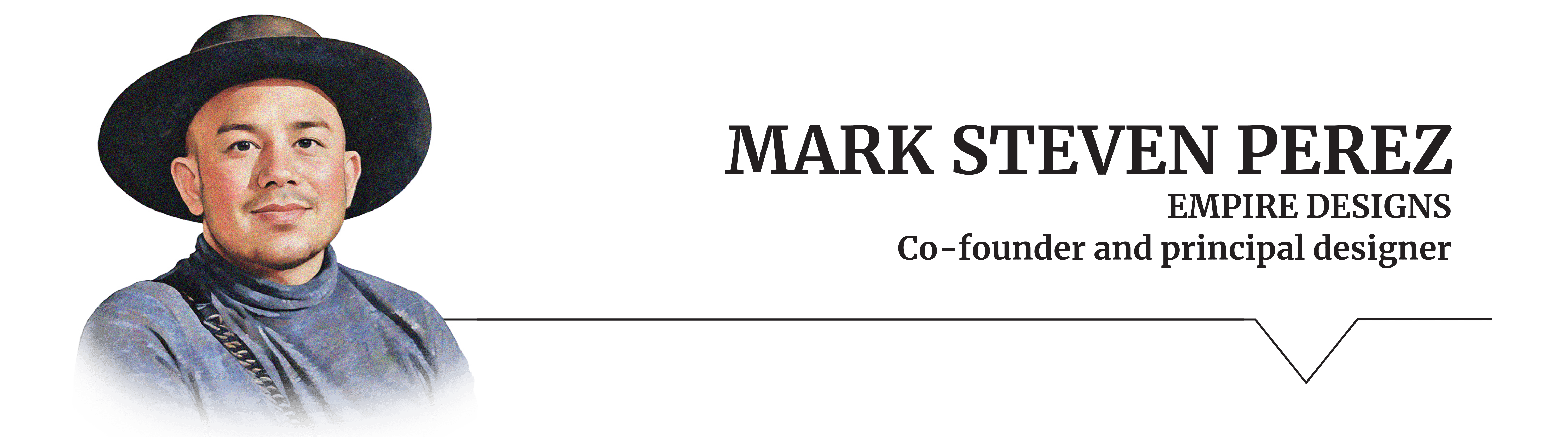
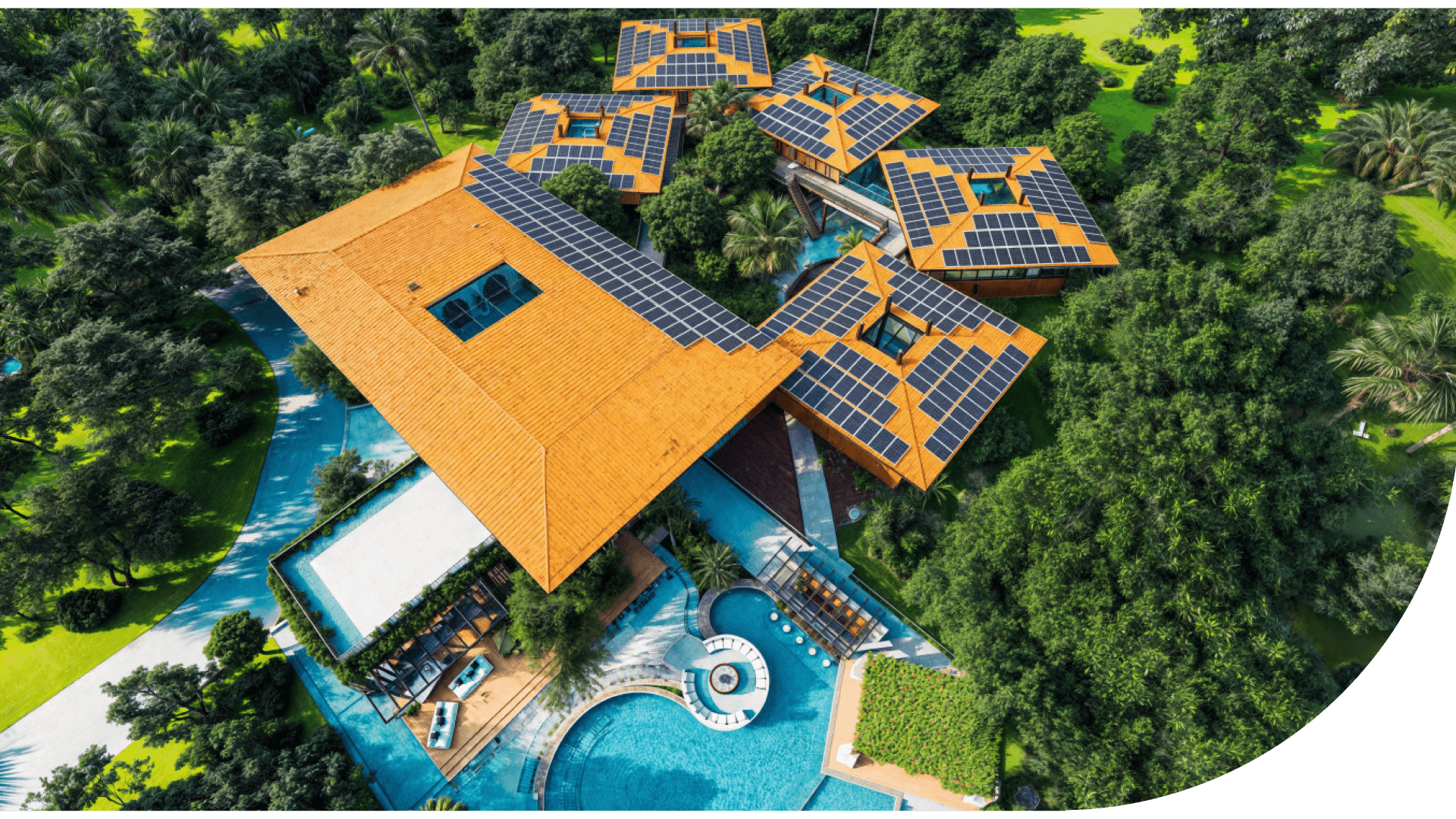
"This year, travel for rejuvenation is expected to surge. Relaxation-focused hotel destinations will likely embrace 'barefoot luxury' living, prioritizing designs that offer luxurious comfort and a calming ambiance. These designs will emphasize natural elements, local experiences, and a strong connection to the surrounding environment.
Hotel, residential, and even commercial interiors will likely feature interesting minimalist sculptural forms that are both artistic and functionally flexible. A preference for neutral, relaxing color palettes - a blend of warm and cool tones - will be evident in both exterior architecture and interior design. The harmonious interplay of natural materials like stone and wood will be a common design choice.
Finally, there will be a strong emphasis on natural lighting and air ventilation, reflecting a growing desire for sustainable and breathable design."
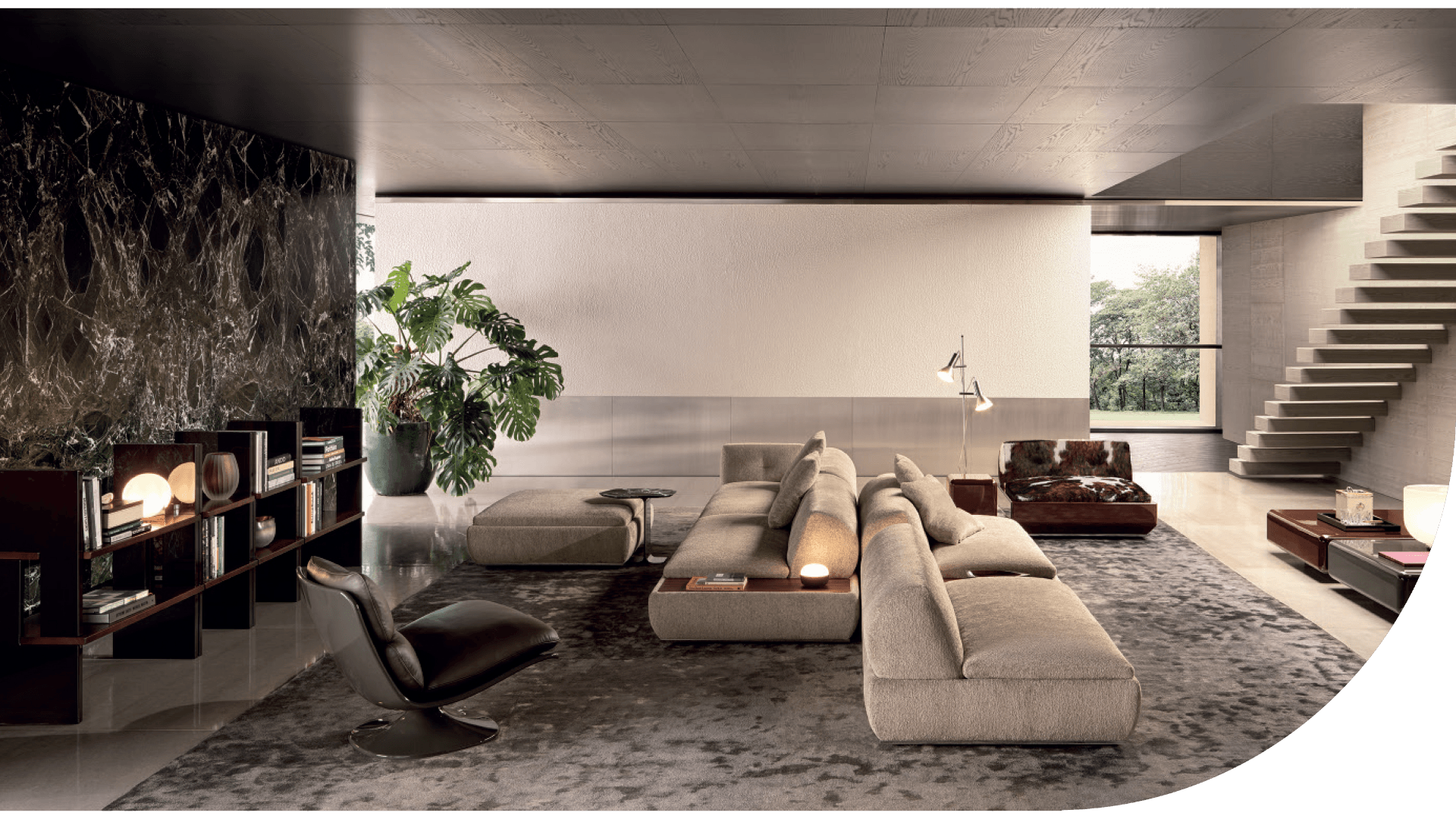

"In 2025, we can expect a highlight on sustainability, not just in terms of materials but also in the lifecycle of design. This means creating timeless, multifunctional pieces that adapt to changing needs and reduce waste. Biophilic design will also take center stage, integrating natural elements and textures to create calming, diverse, and wellness-centered spaces. Technology will continue to influence design, with smart home integrations becoming more seamless and aesthetically incorporated. Finally, there will be a growing emphasis on bespoke and culturally inspired designs, where spaces are more intentional and tell a story unique to their owner.
For the Philippine creative scene, these trends present an opportunity to shine globally by blending innovation with our rich cultural heritage. Our artisans and designers were overshadowed by mass production made by machinery and other technological advances - 2025 will be a year to amplify that through sustainable, thoughtful design. Biophilic and culturally inspired trends align well with our abundant natural resources and traditional craftsmanship, offering a chance to create distinctive, globally appealing works. The challenge lies in how we marry tradition with modernity, but I believe the Filipino creative spirit is more than ready to lead this charge."

"Integrating artificial intelligence in architecture practice is quickly revolutionizing the industry, streamlining workflows, enhancing design innovation, and improving decision-making processes. The concern is that this technology might diminish the role of designers, but AI is not a substitute for architects. AI can streamline non- value-added tasks, allowing architects to dedicate more time to the design phase-a creative and complex aspect that is far more challenging to replicate. We use AI for analytics, design automation and optimization, enhanced visualization, and streamlining construction processes. The adoption of smart home technologies is on the rise. Filipino homeowners are incorporating Internet of Things (IoT) devices for automated lighting, temperature control, and security systems. This integration offers convenience and improved energy efficiency, aligning with the global move towards smarter living spaces. Architects can use smart home technology to improve sustainability by automating passive and mechanical systems to achieve optimum efficiency.
The exit of Philippine Offshore Gaming Operators (POGOS) has a significant impact: increased vacancy rates, pressure on rental yields, and overall economic adjustments. Spaces now need to be designed with adaptive reuse and flexibility in mind. Buildings must be designed in a way that their function can easily adapt. Architects can employ techniques such as building structures accommodating different loads, lightweight partition walls, raised flooring, higher ceilings, and more natural light. Empty buildings can be repurposed into mixed-use spaces like co-living hubs and cultural centers. This approach maximizes space utilization and reduces the need for new construction, contributing to sustainability efforts."
"For creative economy trends for 2025, I'm seeing heightened intentionality toward digital adaptation and AI, seeing how these can disrupt creative enterprises in different stages of content development.
I'm seeing more sustainability initiatives, with creators thinking deeply about carbon footprint, circularity, and integration in disaster risk reduction and management strategies - all toward climate justice. I'm also seeing more creative value-add and penetration in the game development sector, leading toward gamification as a new platform for creative expression. I'm also seeing greater hyperlocalism in creative content - given the market proclivities of the global market. Hopefully, this leads to increased visibility of Filipino creative content and soft power. And, finally, I'm seeing more transmedia synergy toward unleashing the full impact of the creative economy.
With these trends and creative adapters, we are hopeful that the economic performance of the creative economy will improve in 2025. Our current baseline as per the Philippine Statistics Authority is P1.71 trillion or 7.1 percent of gross domestic product, providing jobs for more than 7 million Filipinos or 14 percent of total labor force in the year 2024."
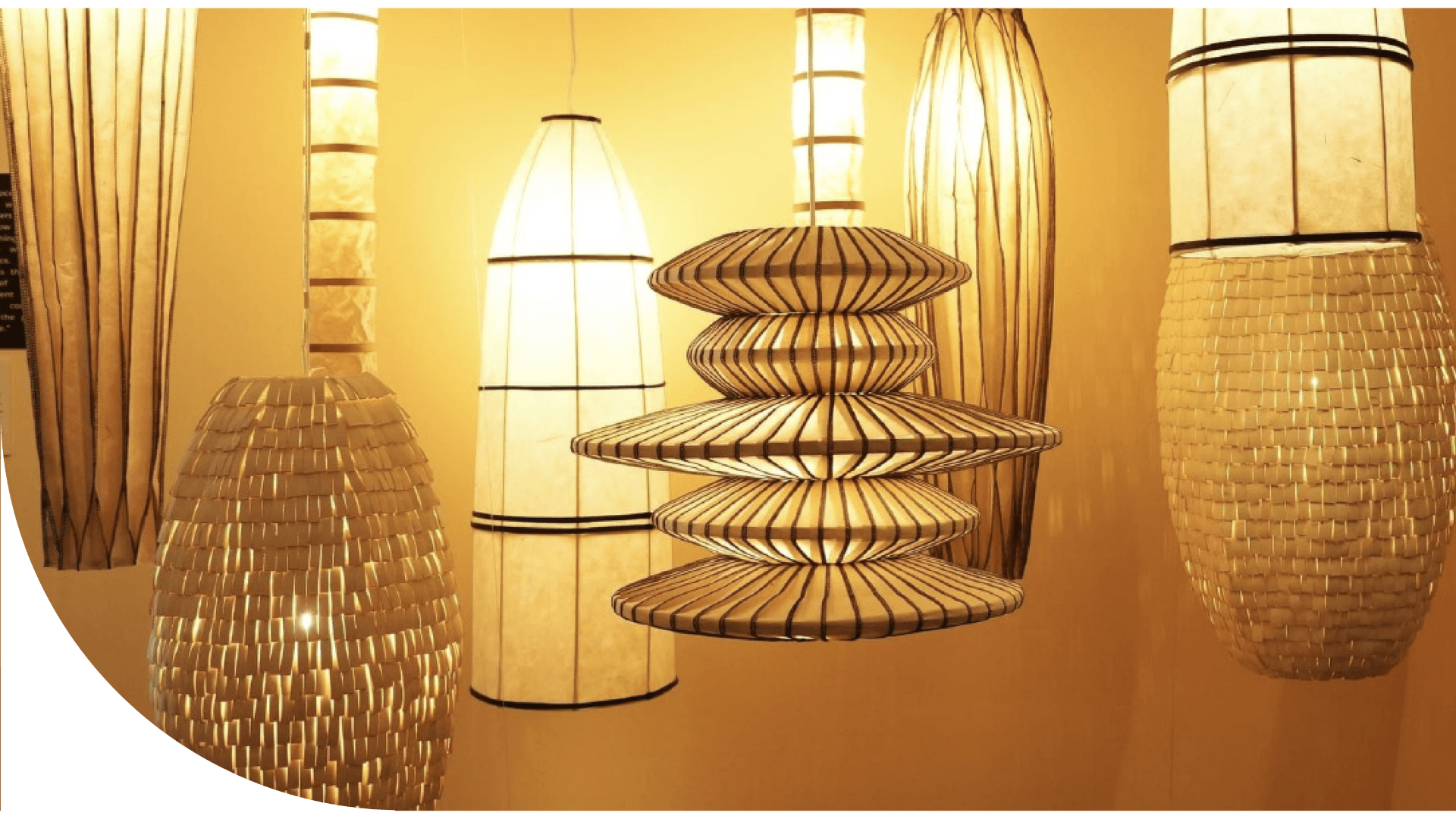

"2025 promises new and bold ideas and products - from new building materials to innovations in renewable energy. There will be more patterns and colors, and a return to refinement of details.
There is an abundance of design talent in our country and the platforms to showcase them are increasing as well. The voices of the creative industries are being amplified more, evident in media, more awards and recognitions, government support and attention, plus a deeper consciousness of good design even with the younger generations.
From fashion to food, from the visual arts to music, from architecture to landscape design, a movement is taking form, people are more interested in Philippine art and creative output."
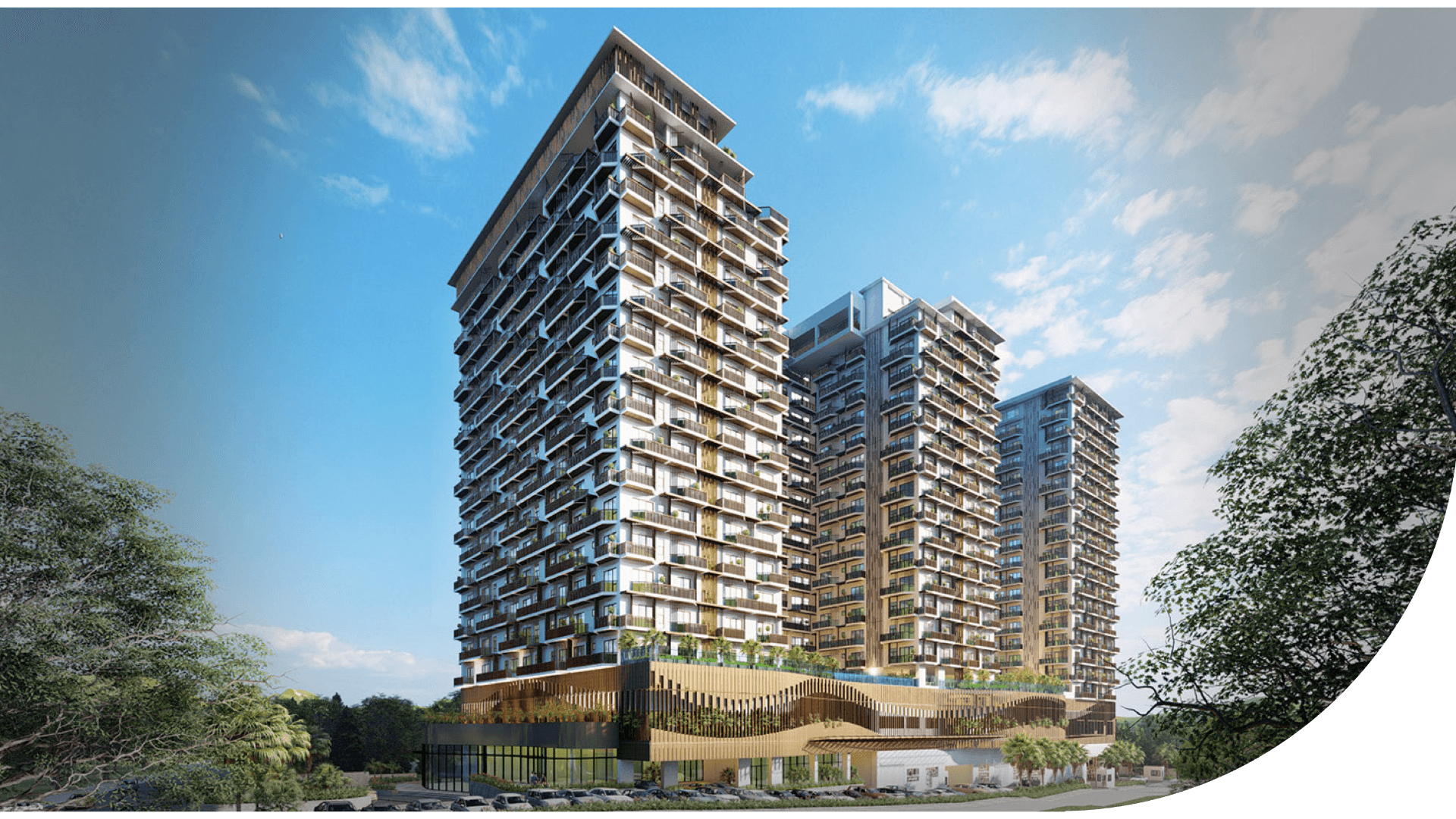

"In 2025, we can expect design trends and innovations to take on a more complex and organic form. With the rapid emergence of AI, design will increasingly embrace conceptual depth and emotional resonance, elements that retain the irreplaceable human touch. Al tools will enhance the design process by making conceptualization faster and more accessible, opening up new creative possibilities and resulting in bolder, more daring innovations.
Current trends already hint at this direction, showcasing irregular shapes, creative material contrasts, and a mix of matte and glossy finishes. Neutral palettes will continue to dominate but will be complemented by bold accents of color, creating a dynamic interplay of subtlety and vibrancy. There's an increased exploration of contrasting textures and materials, reflecting a push toward more expressive and tactile design solutions.
Filipinos are also quick to adapt to new technologies, making the integration of AI into the creative process a natural progression. The synergy between our exceptional human design skills and the possibilities offers opportunities for innovation and experimentation.
Design in 2025 will be a fascinating blend of human ingenuity and technological advancement, where creativity thrives in harmony with innovation. Our strength lies in handmade crafts and design, supported by a rich heritage of skilled artisans. This gives the Philippine creative landscape a unique advantage in blending traditional craftsmanship with modern design sensibilities.
This gives us the leverage to carve out a distinctive position in the global design industry, showcasing the Philippines as a hub for creativity that harmonizes tradition and technology."