ADVERTISEMENT

High satisfaction, trust ratings fuel AFP to continue defending country, Filipinos – spokesperson

Published Mar 3, 2025 04:02 am
AJEX DAGIT PA 2.jpg
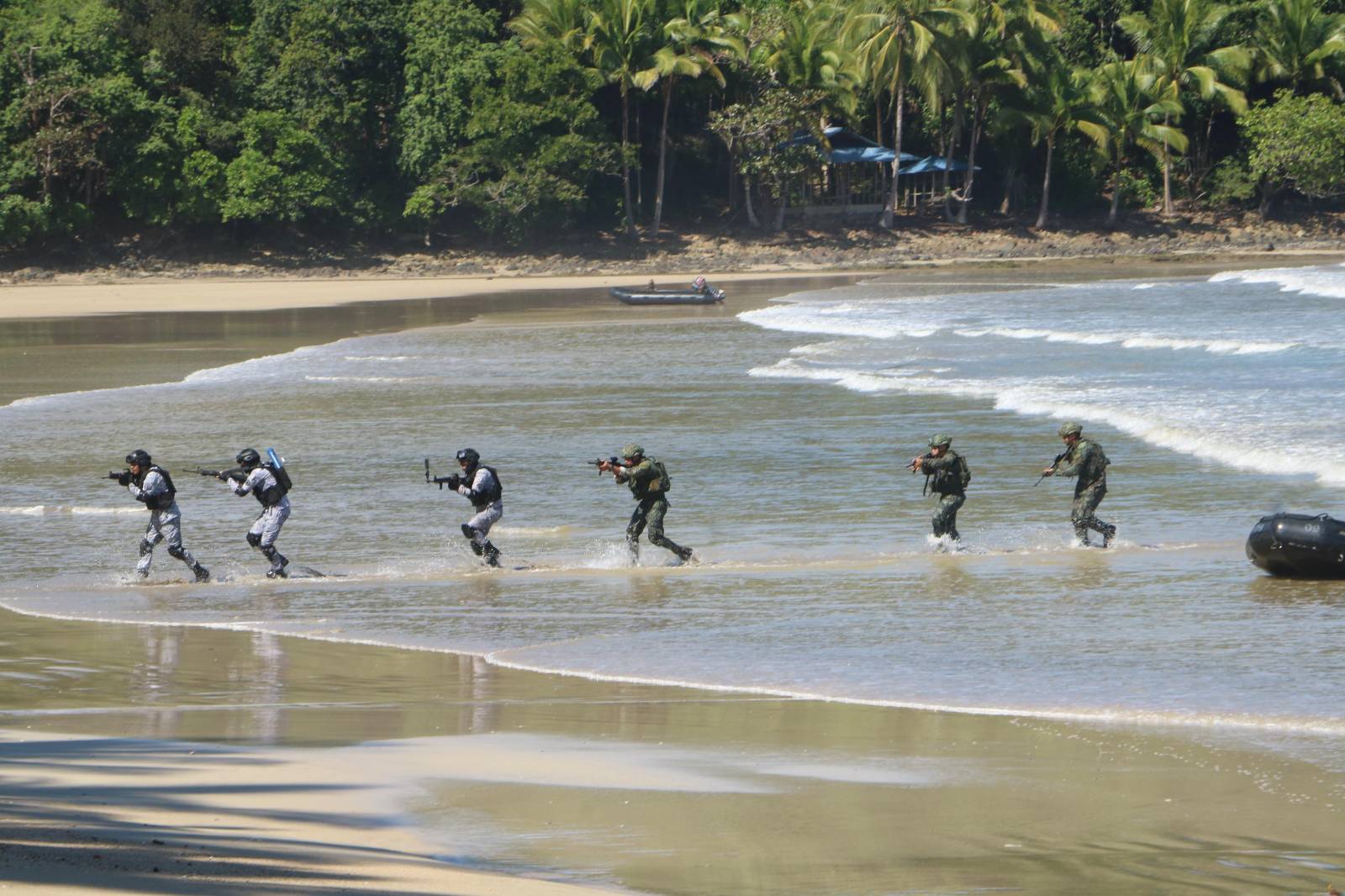
Armed Forces of the Philippines (AFP) personnel carry out breaching operations exercise as part of the AFP Joint Exercise (AJEX) DAGIT-PA 2024 in Aborlan, Palawan on Nov. 9, 2024. (Photo: AFP)

The Armed Forces of the Philippines (AFP) reiterated its commitment to protect the country and serve the public after recent results of an OCTA Research survey showed that 76 percent of Filipinos, or nearly eight in 10 people, are “satisfied” with its performance.

Col. Francel Margareth Padilla, AFP spokesperson, said the overwhelmingly positive response highlights the Filipino people’s continued confidence in the military’s dedication to national security and public service.

“The AFP attributes this high level of trust to our steadfast commitment to safeguarding the nation, upholding our constitutional mandate, and ensuring transparency and professionalism in all our operations. From external defense efforts to disaster response and peacekeeping initiatives, your AFP remains steadfast in our duty to protect the sovereignty and welfare of the Filipino people,” she said in a statement Sunday, March 2.

The survey, held from Nov. 10 to 16 last year among 1,200 adult Filipinos with a margin of error of plus/minus three percent, showed that 16 percent of the respondents were “very satisfied” while 60 percent were “somewhat satisfied” with the military’s performance.

Two percent said they were dissatisfied while 22 percent were neither satisfied nor unsatisfied.

Further, the survey also found out that 75 percent of the responders “trust” the AFP. Sixteen percent said they had “strong trust” with the AFP while 59 percent “somewhat trust” the military.

Two percent of the respondents do not trust the AFP while 23 percent said they cannot determine if they trust the military or not.

The survey also highlighted strong support for the AFP’s modernization, with 79 percent of respondents emphasizing the importance of enhancing the military’s capabilities for national security. 

It also underscored the importance of international partnerships as 78 percent of Filipinos expressed support for strengthening alliances and cooperation with other like-minded nations. 

Moreover, an overwhelming 83 percent of respondents affirmed their belief in the AFP’s political neutrality, viewing it as essential for ensuring safe, fair, and peaceful elections.

“The AFP expresses our gratitude for the unwavering trust and support of the Filipino people. With this, your AFP reaffirms our resolve to serve with integrity, professionalism, and unwavering dedication to the nation,” Padilla said.

Related Tags

Armed Forces of the Philippines trust rating AFP satisfaction rating OCTA Research
ADVERTISEMENT
.most-popular .layout-ratio{ padding-bottom: 79.13%; } @media (min-width: 768px) and (max-width: 1024px) { .widget-title { font-size: 15px !important; } }

{{ articles_filter_1561_widget.title }}

.most-popular .layout-ratio{ padding-bottom: 79.13%; } @media (min-width: 768px) and (max-width: 1024px) { .widget-title { font-size: 15px !important; } }

{{ articles_filter_1562_widget.title }}

.most-popular .layout-ratio{ padding-bottom: 79.13%; } @media (min-width: 768px) and (max-width: 1024px) { .widget-title { font-size: 15px !important; } }

{{ articles_filter_1563_widget.title }}

{{ articles_filter_1564_widget.title }}

.mb-article-details { position: relative; } .mb-article-details .article-body-preview, .mb-article-details .article-body-summary{ font-size: 17px; line-height: 30px; font-family: "Libre Caslon Text", serif; color: #000; } .mb-article-details .article-body-preview iframe , .mb-article-details .article-body-summary iframe{ width: 100%; margin: auto; } .read-more-background { background: linear-gradient(180deg, color(display-p3 1.000 1.000 1.000 / 0) 13.75%, color(display-p3 1.000 1.000 1.000 / 0.8) 30.79%, color(display-p3 1.000 1.000 1.000) 72.5%); position: absolute; height: 200px; width: 100%; bottom: 0; display: flex; justify-content: center; align-items: center; padding: 0; } .read-more-background a{ color: #000; } .read-more-btn { padding: 17px 45px; font-family: Inter; font-weight: 700; font-size: 18px; line-height: 16px; text-align: center; vertical-align: middle; border: 1px solid black; background-color: white; } .hidden { display: none; }
function initializeAllSwipers() { // Get all hidden inputs with cms_article_id document.querySelectorAll('[id^="cms_article_id_"]').forEach(function (input) { const cmsArticleId = input.value; const articleSelector = '#article-' + cmsArticleId + ' .body_images'; const swiperElement = document.querySelector(articleSelector); if (swiperElement && !swiperElement.classList.contains('swiper-initialized')) { new Swiper(articleSelector, { loop: true, pagination: false, navigation: { nextEl: '#article-' + cmsArticleId + ' .swiper-button-next', prevEl: '#article-' + cmsArticleId + ' .swiper-button-prev', }, }); } }); } setTimeout(initializeAllSwipers, 3000); const intersectionObserver = new IntersectionObserver( (entries) => { entries.forEach((entry) => { if (entry.isIntersecting) { const newUrl = entry.target.getAttribute("data-url"); if (newUrl) { history.pushState(null, null, newUrl); let article = entry.target; // Extract metadata const author = article.querySelector('.author-section').textContent.replace('By', '').trim(); const section = article.querySelector('.section-info ').textContent.replace(' ', ' '); const title = article.querySelector('.article-title h1').textContent; // Parse URL for Chartbeat path format const parsedUrl = new URL(newUrl, window.location.origin); const cleanUrl = parsedUrl.host + parsedUrl.pathname; // Update Chartbeat configuration if (typeof window._sf_async_config !== 'undefined') { window._sf_async_config.path = cleanUrl; window._sf_async_config.sections = section; window._sf_async_config.authors = author; } // Track virtual page view with Chartbeat if (typeof pSUPERFLY !== 'undefined' && typeof pSUPERFLY.virtualPage === 'function') { try { pSUPERFLY.virtualPage({ path: cleanUrl, title: title, sections: section, authors: author }); } catch (error) { console.error('ping error', error); } } // Optional: Update document title if (title && title !== document.title) { document.title = title; } } } }); }, { threshold: 0.1 } ); function showArticleBody(button) { const article = button.closest("article"); const summary = article.querySelector(".article-body-summary"); const body = article.querySelector(".article-body-preview"); const readMoreSection = article.querySelector(".read-more-background"); // Hide summary and read-more section summary.style.display = "none"; readMoreSection.style.display = "none"; // Show the full article body body.classList.remove("hidden"); } document.addEventListener("DOMContentLoaded", () => { let loadCount = 0; // Track how many times articles are loaded const offset = [1, 2, 3, 4, 5, 6, 7, 8, 9, 10]; // Offset values const currentUrl = window.location.pathname.substring(1); let isLoading = false; // Prevent multiple calls if (!currentUrl) { console.log("Current URL is invalid."); return; } const sentinel = document.getElementById("load-more-sentinel"); if (!sentinel) { console.log("Sentinel element not found."); return; } function isSentinelVisible() { const rect = sentinel.getBoundingClientRect(); return ( rect.top < window.innerHeight && rect.bottom >= 0 ); } function onScroll() { if (isLoading) return; if (isSentinelVisible()) { if (loadCount >= offset.length) { console.log("Maximum load attempts reached."); window.removeEventListener("scroll", onScroll); return; } isLoading = true; const currentOffset = offset[loadCount]; window.loadMoreItems().then(() => { let article = document.querySelector('#widget_1690 > div:nth-last-of-type(2) article'); intersectionObserver.observe(article) loadCount++; }).catch(error => { console.error("Error loading more items:", error); }).finally(() => { isLoading = false; }); } } window.addEventListener("scroll", onScroll); });

Sign up by email to receive news.