

ADVERTISEMENT

World Athletics to require chromosome testing of athletes in women's track and field

Published Mar 26, 2025 05:20 am

At A Glance

  • World Athletics president Sebastian Coe said Tuesday, March 25, that the track and field's governing body has approved the introduction of cheek swabs and dry blood-spot tests for female athletes in order to maintain "the integrity of competition."
NANJING, China (AP) — World Athletics president Sebastian Coe said Tuesday, March 25, that the track and field’s governing body has approved the introduction of cheek swabs and dry blood-spot tests for female athletes in order to maintain "the integrity of competition."

AP25073542346392.jpg
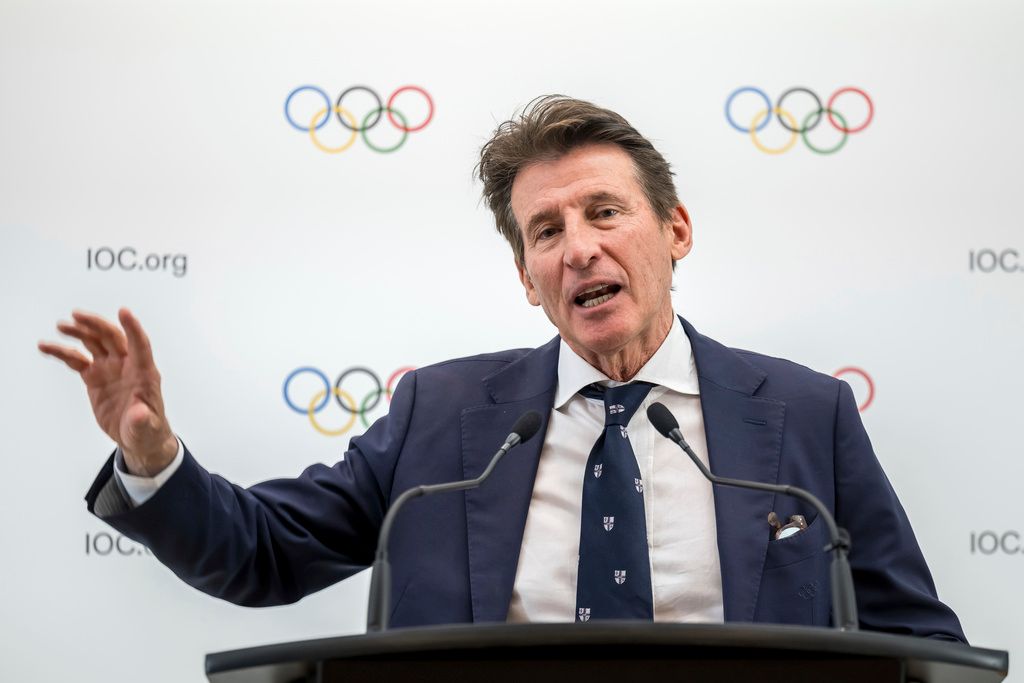
World Athletics president Sebastian Coe (AP)

The planned changes include reinstating a version of chromosome testing that was discontinued in the 1990s, requiring athletes who compete in the female category to submit to a cheek swab or dry blood-spot test for the presence of a gene that indicates whether the athlete has a “Y” chromosome present in males.

Coe told a news conference that athletes will have to take the test just once during their career.

“It’s important to do it because it maintains everything that we’ve been talking about, and particularly recently, about not just talking about the integrity of female women’s sport, but actually guaranteeing it," Coe said after a two-day meeting of the World Athletics Council in Nanjing. “We feel this is a really important way of providing confidence and maintaining that absolute focus on the integrity of competition.”

It's unclear whether the tests will be in place before the world championships in September. Coe said that the new regulations will be drafted and that a testing provider will be confirmed over the next few weeks.

Coe, the two-time Olympic champion who was unsuccessful last week in his bid to become IOC president, has been vocal about “protecting the female category” in track and field. He has said the International Olympic Committee needs to take a leadership role in the transgender debate instead of letting each individual sport decide their own regulations.

World Athletics, which in 2023 banned transgender athletes who had transitioned male to female and gone through male puberty, announced in February proposed recommendations that would apply strict transgender rules to athletes who were born female but had what the organization describes as naturally occurring testosterone levels in the typical male range.

Those recommendations came only days after U.S. President Donald Trump signed an executive order barring transgender athletes from competing in girls sports in the U.S. and pressured the Olympics to do the same. Los Angeles will host the 2028 Summer Games.

Legal challenges

Asked whether World Athletics felt the policy would withstand legal challenges, Coe said he was confident after an exhaustive review.

“I would never have set off down this path in 2016-2017 to protect the female category in sport" without being "prepared to take the challenge head on," Coe said.

He added: "We’ve been to the Court of Arbitration on our DSD (differences in sex development) regulations. They have been upheld, and they have again been upheld after appeal. So we will doggedly protect the female category, and we’ll do whatever is necessary to do it.”

Related Tags

World Athletics
ADVERTISEMENT
.most-popular .layout-ratio{ padding-bottom: 79.13%; } @media (min-width: 768px) and (max-width: 1024px) { .widget-title { font-size: 15px !important; } }

{{ articles_filter_1561_widget.title }}

.most-popular .layout-ratio{ padding-bottom: 79.13%; } @media (min-width: 768px) and (max-width: 1024px) { .widget-title { font-size: 15px !important; } }

{{ articles_filter_1562_widget.title }}

.most-popular .layout-ratio{ padding-bottom: 79.13%; } @media (min-width: 768px) and (max-width: 1024px) { .widget-title { font-size: 15px !important; } }

{{ articles_filter_1563_widget.title }}

{{ articles_filter_1564_widget.title }}

.mb-article-details { position: relative; } .mb-article-details .article-body-preview, .mb-article-details .article-body-summary{ font-size: 17px; line-height: 30px; font-family: "Libre Caslon Text", serif; color: #000; } .mb-article-details .article-body-preview iframe , .mb-article-details .article-body-summary iframe{ width: 100%; margin: auto; } .read-more-background { background: linear-gradient(180deg, color(display-p3 1.000 1.000 1.000 / 0) 13.75%, color(display-p3 1.000 1.000 1.000 / 0.8) 30.79%, color(display-p3 1.000 1.000 1.000) 72.5%); position: absolute; height: 200px; width: 100%; bottom: 0; display: flex; justify-content: center; align-items: center; padding: 0; } .read-more-background a{ color: #000; } .read-more-btn { padding: 17px 45px; font-family: Inter; font-weight: 700; font-size: 18px; line-height: 16px; text-align: center; vertical-align: middle; border: 1px solid black; background-color: white; } .hidden { display: none; }
function initializeAllSwipers() { // Get all hidden inputs with cms_article_id document.querySelectorAll('[id^="cms_article_id_"]').forEach(function (input) { const cmsArticleId = input.value; const articleSelector = '#article-' + cmsArticleId + ' .body_images'; const swiperElement = document.querySelector(articleSelector); if (swiperElement && !swiperElement.classList.contains('swiper-initialized')) { new Swiper(articleSelector, { loop: true, pagination: false, navigation: { nextEl: '#article-' + cmsArticleId + ' .swiper-button-next', prevEl: '#article-' + cmsArticleId + ' .swiper-button-prev', }, }); } }); } setTimeout(initializeAllSwipers, 3000); const intersectionObserver = new IntersectionObserver( (entries) => { entries.forEach((entry) => { if (entry.isIntersecting) { const newUrl = entry.target.getAttribute("data-url"); if (newUrl) { history.pushState(null, null, newUrl); let article = entry.target; // Extract metadata const author = article.querySelector('.author-section').textContent.replace('By', '').trim(); const section = article.querySelector('.section-info ').textContent.replace(' ', ' '); const title = article.querySelector('.article-title h1').textContent; // Parse URL for Chartbeat path format const parsedUrl = new URL(newUrl, window.location.origin); const cleanUrl = parsedUrl.host + parsedUrl.pathname; // Update Chartbeat configuration if (typeof window._sf_async_config !== 'undefined') { window._sf_async_config.path = cleanUrl; window._sf_async_config.sections = section; window._sf_async_config.authors = author; } // Track virtual page view with Chartbeat if (typeof pSUPERFLY !== 'undefined' && typeof pSUPERFLY.virtualPage === 'function') { try { pSUPERFLY.virtualPage({ path: cleanUrl, title: title, sections: section, authors: author }); } catch (error) { console.error('ping error', error); } } // Optional: Update document title if (title && title !== document.title) { document.title = title; } } } }); }, { threshold: 0.1 } ); function showArticleBody(button) { const article = button.closest("article"); const summary = article.querySelector(".article-body-summary"); const body = article.querySelector(".article-body-preview"); const readMoreSection = article.querySelector(".read-more-background"); // Hide summary and read-more section summary.style.display = "none"; readMoreSection.style.display = "none"; // Show the full article body body.classList.remove("hidden"); } document.addEventListener("DOMContentLoaded", () => { let loadCount = 0; // Track how many times articles are loaded const offset = [1, 2, 3, 4, 5, 6, 7, 8, 9, 10]; // Offset values const currentUrl = window.location.pathname.substring(1); let isLoading = false; // Prevent multiple calls if (!currentUrl) { console.log("Current URL is invalid."); return; } const sentinel = document.getElementById("load-more-sentinel"); if (!sentinel) { console.log("Sentinel element not found."); return; } function isSentinelVisible() { const rect = sentinel.getBoundingClientRect(); return ( rect.top < window.innerHeight && rect.bottom >= 0 ); } function onScroll() { if (isLoading) return; if (isSentinelVisible()) { if (loadCount >= offset.length) { console.log("Maximum load attempts reached."); window.removeEventListener("scroll", onScroll); return; } isLoading = true; const currentOffset = offset[loadCount]; window.loadMoreItems().then(() => { let article = document.querySelector('#widget_1690 > div:nth-last-of-type(2) article'); intersectionObserver.observe(article) loadCount++; }).catch(error => { console.error("Error loading more items:", error); }).finally(() => { isLoading = false; }); } } window.addEventListener("scroll", onScroll); });

Sign up by email to receive news.