ADVERTISEMENT

From deluges to drought: Climate change speeds up water cycle, triggers more extreme weather

Published Mar 25, 2025 02:59 am
65f7a4eb5f1aa966809d188c27672e34.jpeg
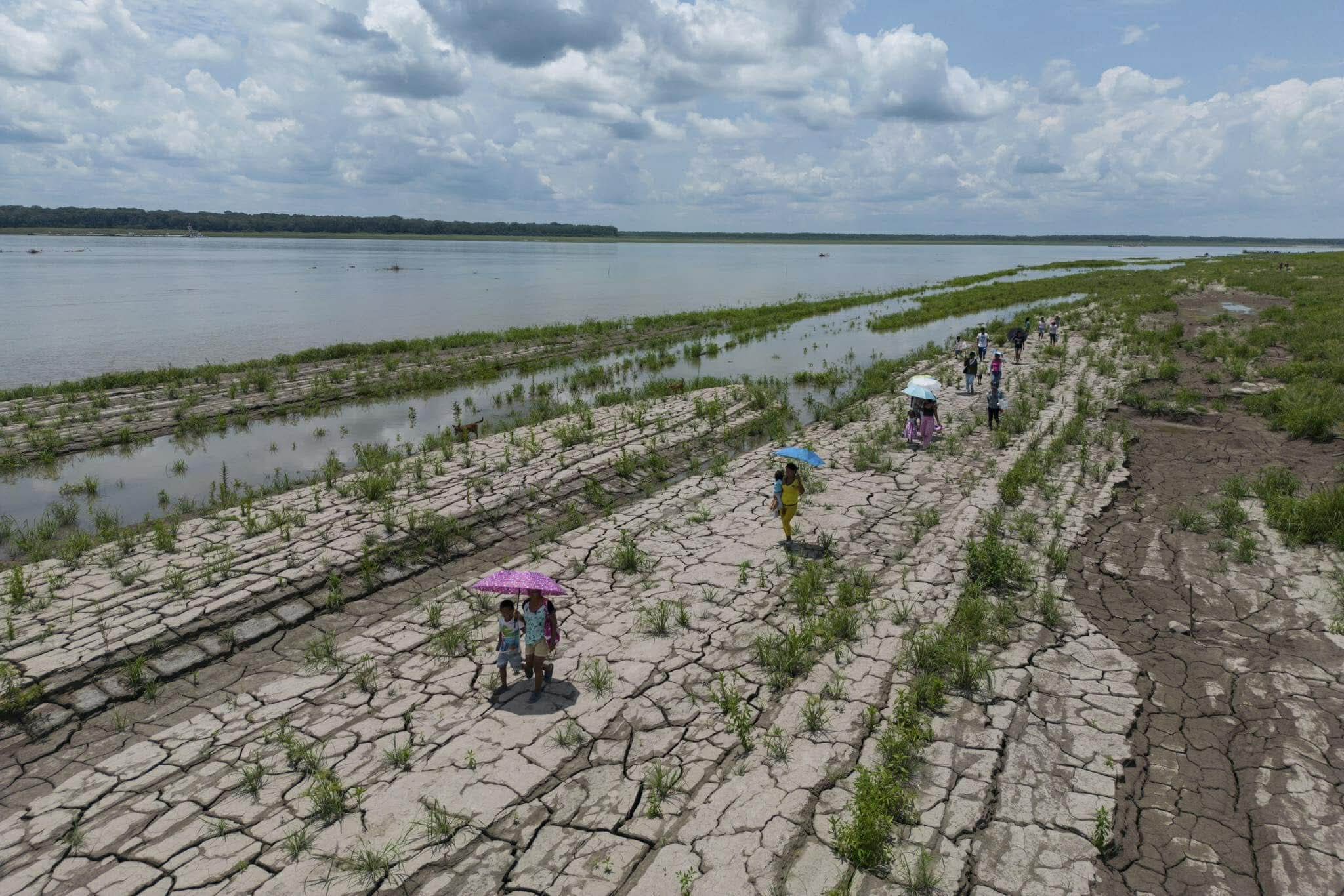
People walk through a part of the Amazon River that shows signs of drought, in Santa Sofia, on the outskirts of Leticia, Colombia, Oct. 20, 2024. (AP Photo/Ivan Valencia, File)

Prolonged droughts, wildfires, and water shortages. Torrential downpours that overwhelm dams and cause catastrophic flooding.

Around the globe, rising temperatures stoked by climate change are increasing the odds of both severe drought and heavier precipitation that wreak havoc on people and the environment.

Rainfall can disappear for years only to return with a vengeance, as it did in California in 2023, with record-setting rain and snowfall. That led to heavy vegetation growth that provided fuel for the devastating January wildfires in Los Angeles after drought returned.

But how can global warming cause both drier and wetter extremes? Here's what experts say.

It's all about the water cycle

Water constantly moves between the Earth and its atmosphere. But that system — called the hydrological cycle — is speeding up as global temperatures get hotter, primarily due to the burning of fossil fuels like coal and gas.

A hotter atmosphere sucks up more water vapor from bodies of water and vegetation and soil.

Over land, this atmospheric demand and loss of surface moisture leads to longer and more intense droughts, even causing some arid areas to expand. Though rain falls less often, when it does, it's often in intense and destructive deluges.

That's because the atmosphere holds 7 percent more water vapor for every degree Celsius.

"Basically, global warming is turning the atmosphere into a bigger sponge so it can soak up more moisture ... and then when the conditions are right for rainfall, it's like squeezing that sponge," said Jonathan Overpeck, a climate scientist at the University of Michigan. "You get more moisture coming out faster."

Oceans play outsized role

Oceans absorb most of the planet's extra heat. That causes the water to expand and ice to melt at the poles, raising sea levels. The warmer water also provides fuel for larger hurricanes and cyclones that can dump massive amounts of water in a short time.

In 2023, for example, heavy one-day rains from Mediterranean storm Daniel caused massive flooding across eastern Libya that overwhelmed two dams, sending a wall of water through the coastal city of Derna that destroyed entire neighborhoods and swept bridges, cars and people out to sea. Climate scientists say climate change made that storm far more likely.

Snowpack is diminishing

Climate change also is affecting snowpack, a critical part of the hydrological cycle.

Melting snow helps fill reservoirs and waterways, including for drinking and agriculture. But less snow is falling in general, and what does often is absorbed by thirsty soil.

What's more, because winters are becoming warmer overall, the growing season is longer, meaning snowmelt also is being lost through evapotranspiration of plants. But, just like rain, climate change also can cause more intense and sometimes damaging snowstorms.

"All this stuff is related to warming, which we know with perfect confidence is almost all due to human activity," Overpeck said. "The good news is, we know how to stop it if we want to."

Related Tags

Climate Change Extreme weather University of Michigan Jonathan Overpeck Water cycle
ADVERTISEMENT
.most-popular .layout-ratio{ padding-bottom: 79.13%; } @media (min-width: 768px) and (max-width: 1024px) { .widget-title { font-size: 15px !important; } }

{{ articles_filter_1561_widget.title }}

.most-popular .layout-ratio{ padding-bottom: 79.13%; } @media (min-width: 768px) and (max-width: 1024px) { .widget-title { font-size: 15px !important; } }

{{ articles_filter_1562_widget.title }}

.most-popular .layout-ratio{ padding-bottom: 79.13%; } @media (min-width: 768px) and (max-width: 1024px) { .widget-title { font-size: 15px !important; } }

{{ articles_filter_1563_widget.title }}

{{ articles_filter_1564_widget.title }}

.mb-article-details { position: relative; } .mb-article-details .article-body-preview, .mb-article-details .article-body-summary{ font-size: 17px; line-height: 30px; font-family: "Libre Caslon Text", serif; color: #000; } .mb-article-details .article-body-preview iframe , .mb-article-details .article-body-summary iframe{ width: 100%; margin: auto; } .read-more-background { background: linear-gradient(180deg, color(display-p3 1.000 1.000 1.000 / 0) 13.75%, color(display-p3 1.000 1.000 1.000 / 0.8) 30.79%, color(display-p3 1.000 1.000 1.000) 72.5%); position: absolute; height: 200px; width: 100%; bottom: 0; display: flex; justify-content: center; align-items: center; padding: 0; } .read-more-background a{ color: #000; } .read-more-btn { padding: 17px 45px; font-family: Inter; font-weight: 700; font-size: 18px; line-height: 16px; text-align: center; vertical-align: middle; border: 1px solid black; background-color: white; } .hidden { display: none; }
function initializeAllSwipers() { // Get all hidden inputs with cms_article_id document.querySelectorAll('[id^="cms_article_id_"]').forEach(function (input) { const cmsArticleId = input.value; const articleSelector = '#article-' + cmsArticleId + ' .body_images'; const swiperElement = document.querySelector(articleSelector); if (swiperElement && !swiperElement.classList.contains('swiper-initialized')) { new Swiper(articleSelector, { loop: true, pagination: false, navigation: { nextEl: '#article-' + cmsArticleId + ' .swiper-button-next', prevEl: '#article-' + cmsArticleId + ' .swiper-button-prev', }, }); } }); } setTimeout(initializeAllSwipers, 3000); const intersectionObserver = new IntersectionObserver( (entries) => { entries.forEach((entry) => { if (entry.isIntersecting) { const newUrl = entry.target.getAttribute("data-url"); if (newUrl) { history.pushState(null, null, newUrl); let article = entry.target; // Extract metadata const author = article.querySelector('.author-section').textContent.replace('By', '').trim(); const section = article.querySelector('.section-info ').textContent.replace(' ', ' '); const title = article.querySelector('.article-title h1').textContent; // Parse URL for Chartbeat path format const parsedUrl = new URL(newUrl, window.location.origin); const cleanUrl = parsedUrl.host + parsedUrl.pathname; // Update Chartbeat configuration if (typeof window._sf_async_config !== 'undefined') { window._sf_async_config.path = cleanUrl; window._sf_async_config.sections = section; window._sf_async_config.authors = author; } // Track virtual page view with Chartbeat if (typeof pSUPERFLY !== 'undefined' && typeof pSUPERFLY.virtualPage === 'function') { try { pSUPERFLY.virtualPage({ path: cleanUrl, title: title, sections: section, authors: author }); } catch (error) { console.error('ping error', error); } } // Optional: Update document title if (title && title !== document.title) { document.title = title; } } } }); }, { threshold: 0.1 } ); function showArticleBody(button) { const article = button.closest("article"); const summary = article.querySelector(".article-body-summary"); const body = article.querySelector(".article-body-preview"); const readMoreSection = article.querySelector(".read-more-background"); // Hide summary and read-more section summary.style.display = "none"; readMoreSection.style.display = "none"; // Show the full article body body.classList.remove("hidden"); } document.addEventListener("DOMContentLoaded", () => { let loadCount = 0; // Track how many times articles are loaded const offset = [1, 2, 3, 4, 5, 6, 7, 8, 9, 10]; // Offset values const currentUrl = window.location.pathname.substring(1); let isLoading = false; // Prevent multiple calls if (!currentUrl) { console.log("Current URL is invalid."); return; } const sentinel = document.getElementById("load-more-sentinel"); if (!sentinel) { console.log("Sentinel element not found."); return; } function isSentinelVisible() { const rect = sentinel.getBoundingClientRect(); return ( rect.top < window.innerHeight && rect.bottom >= 0 ); } function onScroll() { if (isLoading) return; if (isSentinelVisible()) { if (loadCount >= offset.length) { console.log("Maximum load attempts reached."); window.removeEventListener("scroll", onScroll); return; } isLoading = true; const currentOffset = offset[loadCount]; window.loadMoreItems().then(() => { let article = document.querySelector('#widget_1690 > div:nth-last-of-type(2) article'); intersectionObserver.observe(article) loadCount++; }).catch(error => { console.error("Error loading more items:", error); }).finally(() => { isLoading = false; }); } } window.addEventListener("scroll", onScroll); });

Sign up by email to receive news.