ADVERTISEMENT

46% of North Koreans undernourished - UN report

Published Mar 19, 2025 03:59 am

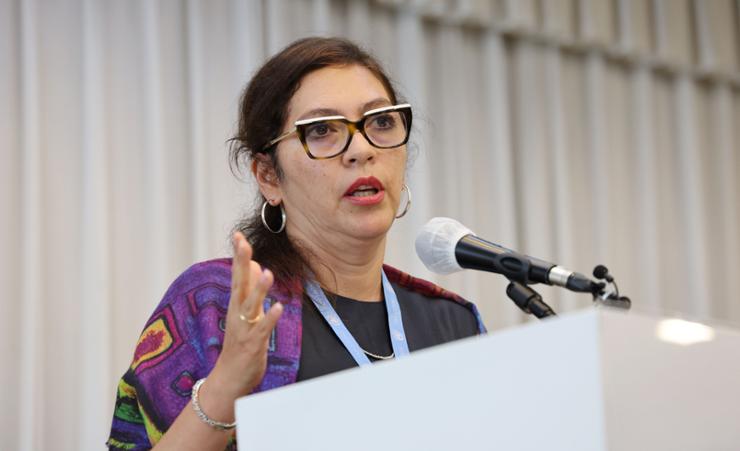
Elizabeth Salmon.jpg

Elizabeth Salmon, the U.N. special rapporteur for North Korea's human rights, is seen in this file photo taken during her last visit to South Korea in September 2022. (Yonhap)


By KWAK YEON-SOO

Nearly 46 percent of North Koreans are undernourished, according to a recent U.N. report, as the impoverished country grapples with severe food insecurity driven by escalating geopolitical tensions and increasing climate variability.

In a report presented to the U.N. Human Rights Council, Elizabeth Salmon, the U.N. special rapporteur for North Korean human rights, said that from 2020 to 2022, the prevalence of undernourishment in North Korea stood at 45.5 percent. During this period, it was estimated that 11.8 million people in the country suffered from undernourishment.

The U.N. defines undernourishment as habitual food consumption being “insufficient to provide the dietary energy levels that are required to maintain a normal active and healthy life.”

“The country (DPRK) faces chronic food insecurity due to old infrastructure, capacity gaps in technology and skills, natural disasters and a lack of investment in addressing those issues,” Salmon said, citing data from the Food and Agriculture Organization. DPRK stands for the North’s official name — the Democratic People’s Republic of Korea.

The report also noted that the North Korean government appears to have shifted its approach, moving away from accommodating "jangmadang" — local markets that people have relied on to cope with shortages of food and daily necessities. Instead, the government is reasserting control over food distribution by restricting private commercial activities and establishing a monopoly on the sale of staples like rice and corn, which are now available exclusively at state-run shops.
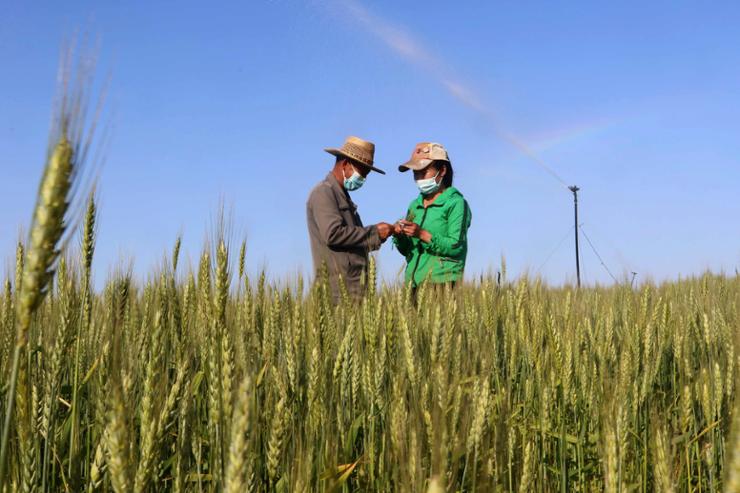
 

Farmers inspect.jpg

Farmers inspect wheat at Kumsong Farm in Onchon County of Nampho City, North Korea, May 23. (AP-Yonhap)


The U.N. report also highlighted that North Korea faces significant challenges related to inadequate hygiene and sanitation.

The World Health Organization lists the DPRK as one of 30 high-burden countries for tuberculosis as of 2023. There are some reports warning that a rise in tuberculosis is linked to severe malnutrition and exposure to cold weather.

While the national immunization rate exceeded 96 percent before the COVID-19 pandemic, it had dropped to below 42 percent by mid-2021.

“In 2022, no child was vaccinated against major diseases, including tuberculosis, and no pregnant woman received immunization against tetanus and diphtheria. A significant number of children born in 2023 are still waiting for necessary vaccinations,” Salmon said.

In September 2024, North Korea, with support from the United Nations Children's Fund, launched a nationwide campaign to vaccinate over 800,000 children and 120,000 pregnant women. This catch-up vaccination initiative followed the disruptions caused by the pandemic.

In North Korea, 52 percent of households rely on unimproved sanitation facilities, and the unsafe disposal of waste from improved sanitation systems contributes to the spread of diarrhea, further exacerbating malnutrition.

“Available resources for development and the realization of economic, social and cultural rights can be affected significantly by the state’s policies on extreme militarization, nuclearization and related sanctions, limited partnerships and a lack of international cooperation,” Salmon said.

In the latter half of 2024, international diplomatic staffs of some embassies, including those of Cuba, India, Poland and Sweden, were able to return to Pyongyang and resume their operations.

However, workers from the U.N. and humanitarian and development organizations have been unable to return to the reclusive state, preventing both U.N. assistance and independent assessments of the humanitarian situation.

Related Tags

north korea Undernourished WORLDNEWS
ADVERTISEMENT
.most-popular .layout-ratio{ padding-bottom: 79.13%; } @media (min-width: 768px) and (max-width: 1024px) { .widget-title { font-size: 15px !important; } }

{{ articles_filter_1561_widget.title }}

.most-popular .layout-ratio{ padding-bottom: 79.13%; } @media (min-width: 768px) and (max-width: 1024px) { .widget-title { font-size: 15px !important; } }

{{ articles_filter_1562_widget.title }}

.most-popular .layout-ratio{ padding-bottom: 79.13%; } @media (min-width: 768px) and (max-width: 1024px) { .widget-title { font-size: 15px !important; } }

{{ articles_filter_1563_widget.title }}

{{ articles_filter_1564_widget.title }}

.mb-article-details { position: relative; } .mb-article-details .article-body-preview, .mb-article-details .article-body-summary{ font-size: 17px; line-height: 30px; font-family: "Libre Caslon Text", serif; color: #000; } .mb-article-details .article-body-preview iframe , .mb-article-details .article-body-summary iframe{ width: 100%; margin: auto; } .read-more-background { background: linear-gradient(180deg, color(display-p3 1.000 1.000 1.000 / 0) 13.75%, color(display-p3 1.000 1.000 1.000 / 0.8) 30.79%, color(display-p3 1.000 1.000 1.000) 72.5%); position: absolute; height: 200px; width: 100%; bottom: 0; display: flex; justify-content: center; align-items: center; padding: 0; } .read-more-background a{ color: #000; } .read-more-btn { padding: 17px 45px; font-family: Inter; font-weight: 700; font-size: 18px; line-height: 16px; text-align: center; vertical-align: middle; border: 1px solid black; background-color: white; } .hidden { display: none; }
function initializeAllSwipers() { // Get all hidden inputs with cms_article_id document.querySelectorAll('[id^="cms_article_id_"]').forEach(function (input) { const cmsArticleId = input.value; const articleSelector = '#article-' + cmsArticleId + ' .body_images'; const swiperElement = document.querySelector(articleSelector); if (swiperElement && !swiperElement.classList.contains('swiper-initialized')) { new Swiper(articleSelector, { loop: true, pagination: false, navigation: { nextEl: '#article-' + cmsArticleId + ' .swiper-button-next', prevEl: '#article-' + cmsArticleId + ' .swiper-button-prev', }, }); } }); } setTimeout(initializeAllSwipers, 3000); const intersectionObserver = new IntersectionObserver( (entries) => { entries.forEach((entry) => { if (entry.isIntersecting) { const newUrl = entry.target.getAttribute("data-url"); if (newUrl) { history.pushState(null, null, newUrl); let article = entry.target; // Extract metadata const author = article.querySelector('.author-section').textContent.replace('By', '').trim(); const section = article.querySelector('.section-info ').textContent.replace(' ', ' '); const title = article.querySelector('.article-title h1').textContent; // Parse URL for Chartbeat path format const parsedUrl = new URL(newUrl, window.location.origin); const cleanUrl = parsedUrl.host + parsedUrl.pathname; // Update Chartbeat configuration if (typeof window._sf_async_config !== 'undefined') { window._sf_async_config.path = cleanUrl; window._sf_async_config.sections = section; window._sf_async_config.authors = author; } // Track virtual page view with Chartbeat if (typeof pSUPERFLY !== 'undefined' && typeof pSUPERFLY.virtualPage === 'function') { try { pSUPERFLY.virtualPage({ path: cleanUrl, title: title, sections: section, authors: author }); } catch (error) { console.error('ping error', error); } } // Optional: Update document title if (title && title !== document.title) { document.title = title; } } } }); }, { threshold: 0.1 } ); function showArticleBody(button) { const article = button.closest("article"); const summary = article.querySelector(".article-body-summary"); const body = article.querySelector(".article-body-preview"); const readMoreSection = article.querySelector(".read-more-background"); // Hide summary and read-more section summary.style.display = "none"; readMoreSection.style.display = "none"; // Show the full article body body.classList.remove("hidden"); } document.addEventListener("DOMContentLoaded", () => { let loadCount = 0; // Track how many times articles are loaded const offset = [1, 2, 3, 4, 5, 6, 7, 8, 9, 10]; // Offset values const currentUrl = window.location.pathname.substring(1); let isLoading = false; // Prevent multiple calls if (!currentUrl) { console.log("Current URL is invalid."); return; } const sentinel = document.getElementById("load-more-sentinel"); if (!sentinel) { console.log("Sentinel element not found."); return; } function isSentinelVisible() { const rect = sentinel.getBoundingClientRect(); return ( rect.top < window.innerHeight && rect.bottom >= 0 ); } function onScroll() { if (isLoading) return; if (isSentinelVisible()) { if (loadCount >= offset.length) { console.log("Maximum load attempts reached."); window.removeEventListener("scroll", onScroll); return; } isLoading = true; const currentOffset = offset[loadCount]; window.loadMoreItems().then(() => { let article = document.querySelector('#widget_1690 > div:nth-last-of-type(2) article'); intersectionObserver.observe(article) loadCount++; }).catch(error => { console.error("Error loading more items:", error); }).finally(() => { isLoading = false; }); } } window.addEventListener("scroll", onScroll); });

Sign up by email to receive news.