Environment and Sustainability
Renewable energy as a game-changer for corporate sustainability
Environment and Sustainability
Renewable energy as a game-changer for corporate sustainability
Renewable energy as a game-changer for corporate sustainability
GEOP solidifies its role in the country's fair transition toward clean energy


In an era where sustainability is no longer just a corporate trend but an urgent global priority, the Green Energy Option Program (GEOP) is proving to be a game-changer for businesses in the Philippines. With an impressive 98 percent retention rate in 2024, the program is delivering substantial financial savings and environmental benefits, solidifying its role in the country’s clean energy transition.
A recent study by The Climate Reality Project Philippines highlights the remarkable impact of GEOP on businesses that have switched to renewable energy. Since 2021, 36 participating companies have achieved an average 34 percent reduction in electricity costs—amounting to a total savings of P71.7 million—and a staggering 79 percent decrease in carbon emissions, cutting 8,886,598 kg of CO2. These findings were unveiled at the REalize 2025 Conference, an event focused on advancing climate resilience and sustainable growth through renewable energy.
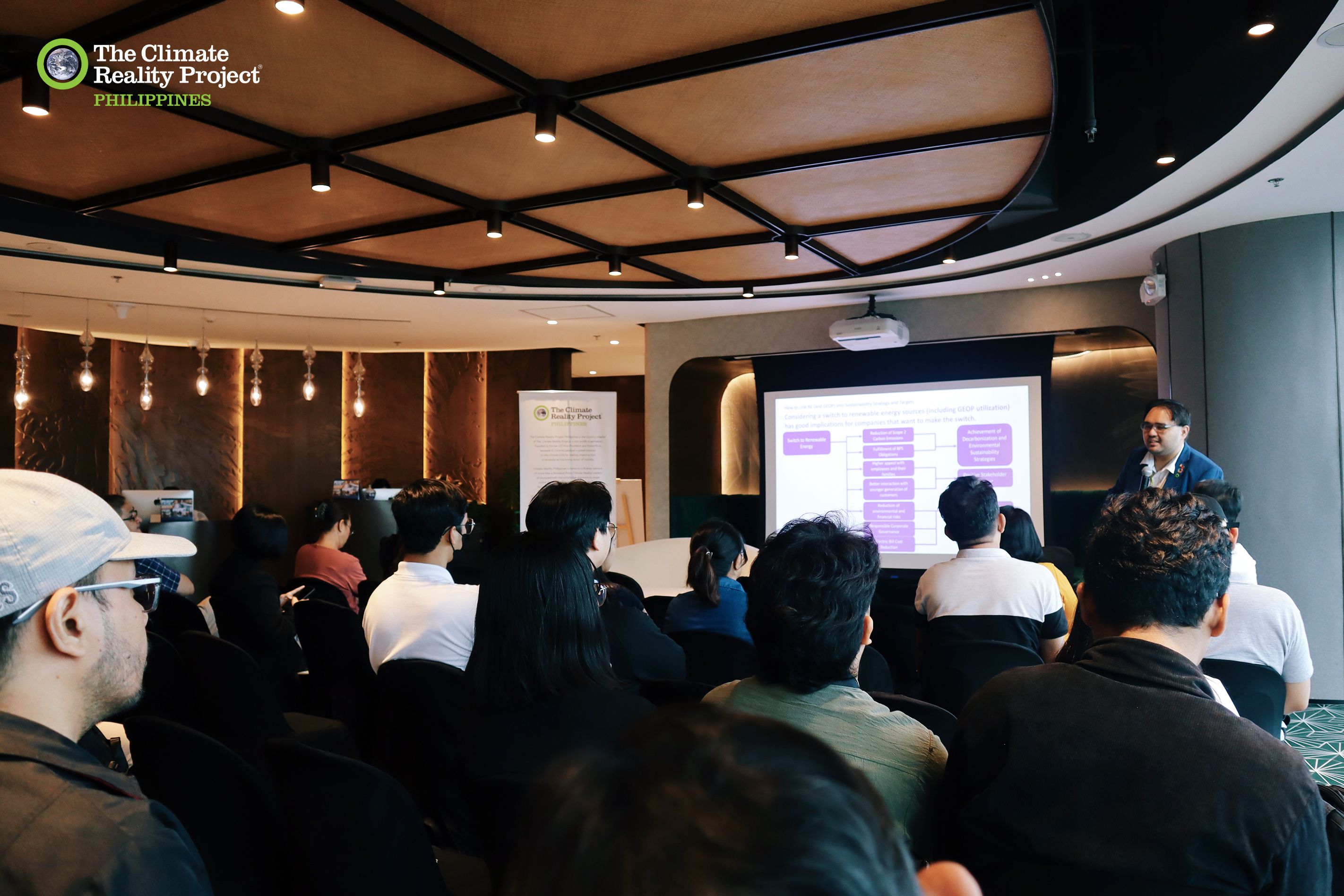
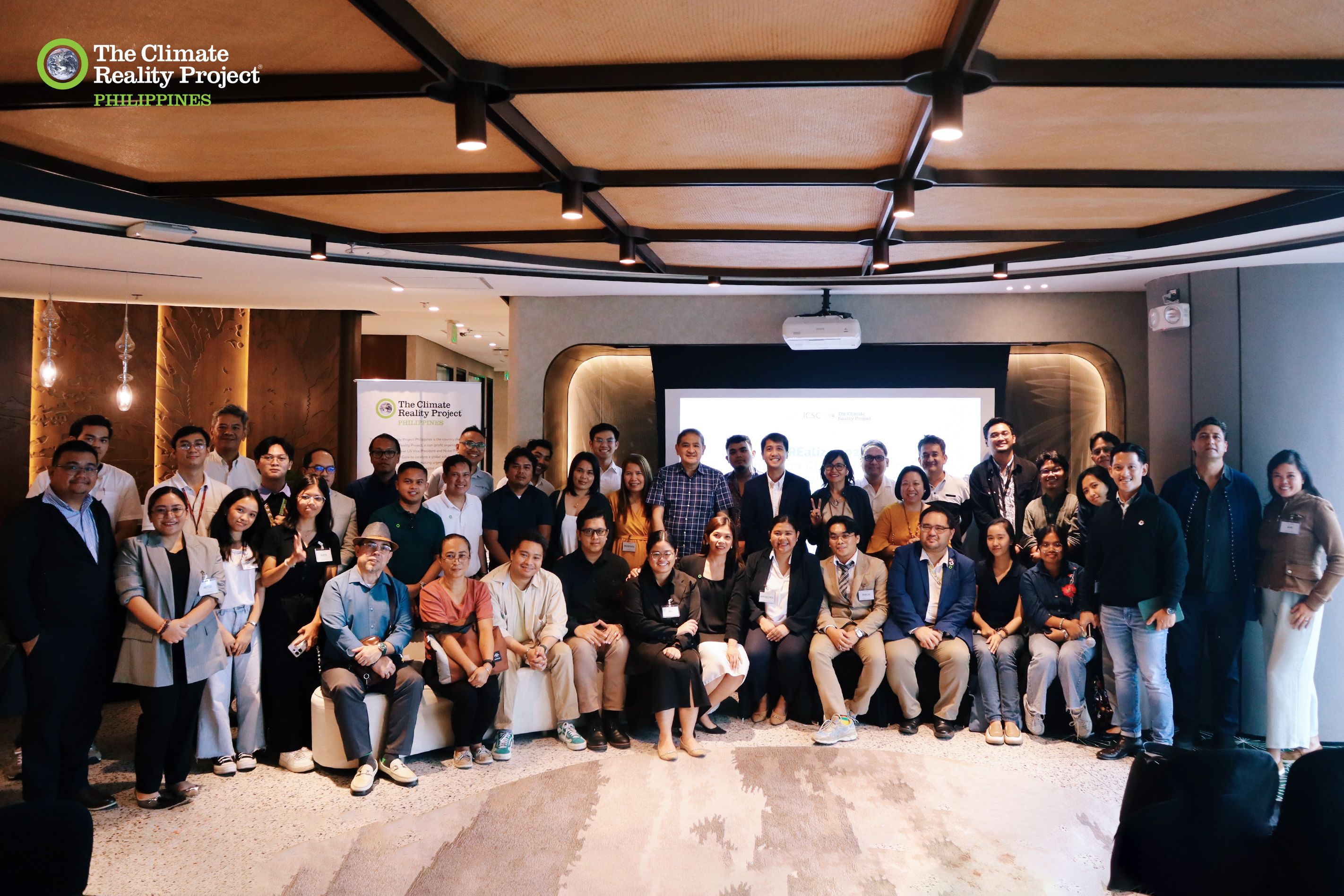
The conference, hosted by Climate Reality Philippines and the Institute for Climate and Sustainable Cities, gathered business leaders, clean energy advocates, and civil society organizations to discuss voluntary renewable energy mechanisms as viable net-zero carbon pathways for the private sector. Experts underscored the growing role of renewable energy in meeting both corporate and national sustainability goals, making it clear that GEOP is more than just an alternative—it’s a necessity.
GEOP as a smart, cost-effective choice for businesses
For companies navigating the complexities of corporate sustainability, GEOP presents a smart and cost-effective choice. By offering access to 100 percent renewable energy without requiring hefty upfront capital or major technological shifts, it enables businesses to lower expenses while aligning with global sustainability standards.
The study revealed that end-users under GEOP secure electricity rates between P4 and P5 per kWh, translating to an average monthly savings of P355,038.
More than just cost-cutting, the environmental impact is substantial: Each GEOP-registered meter can reduce 1,024,776 kg of CO2 emissions annually—the equivalent of the carbon sequestration capacity of eight hectares of mature molave trees per year. The 451 GEOP-registered meters in operation during the conduct of the study equate to an annual carbon sequestration impact comparable to 3,481 hectares of molave trees.
Beyond financial savings and environmental benefits, businesses that transition to 100 percent renewable energy gain a competitive advantage in corporate governance, investor relations, and regulatory compliance.
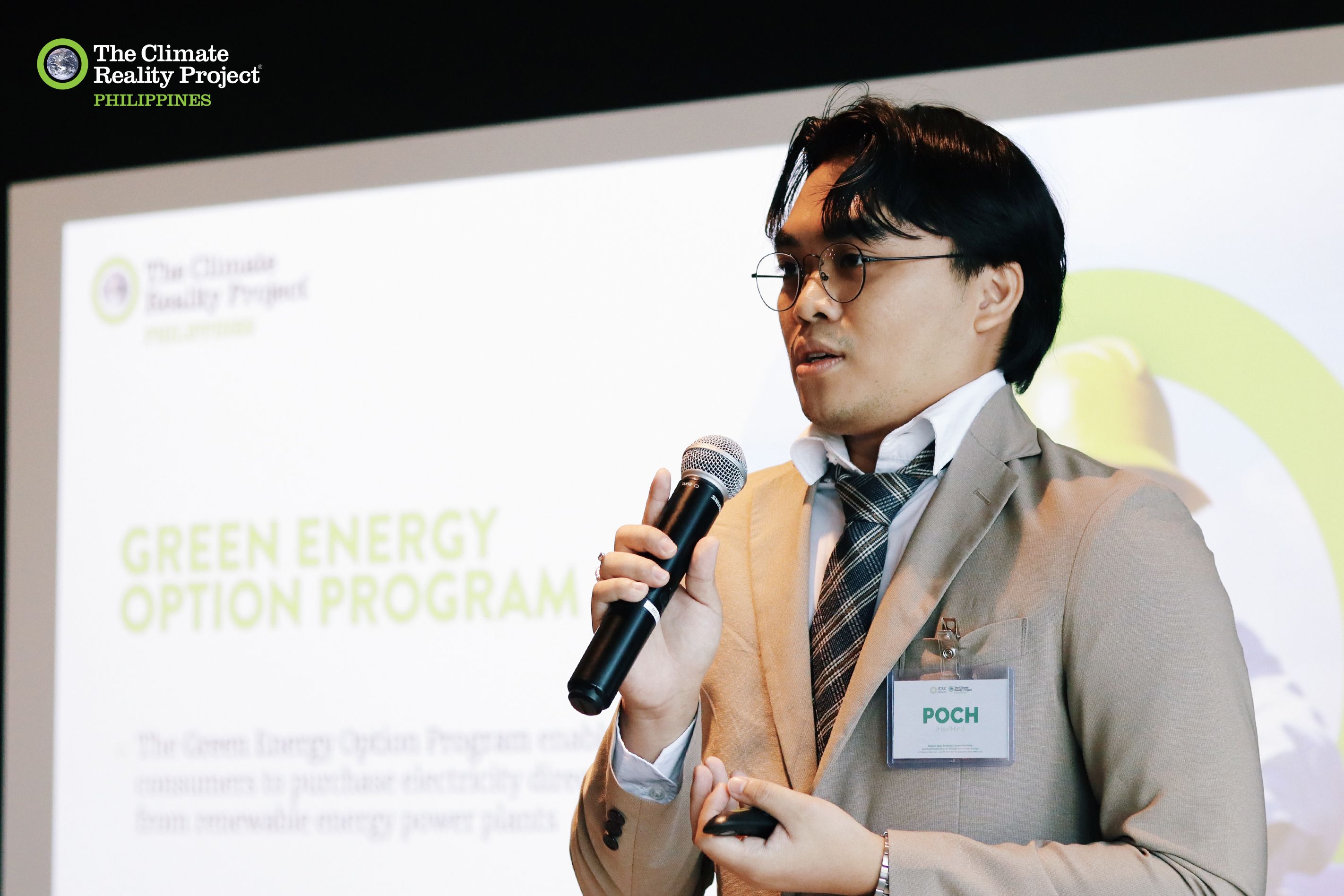
Jonas Marie Dumdum, senior consultant at Nomura Research Institute, emphasized that adopting renewable energy enhances corporate reputation, attracts sustainability-driven stakeholders, and ensures alignment with environmental, social, and governance (ESG) standards. He encouraged businesses to embrace GEOP, not just as a compliance measure but as a strategic move to fast-track their sustainability targets while minimizing financial and environmental risks.
Rowena Naguit, policy and planning group manager at the Philippine Economic Zone Authority (PEZA), pointed out that GEOP helps local businesses meet the growing sustainability requirements imposed by foreign parent companies.
Fueling the energy transition
As more businesses join GEOP, demand for clean energy surges, accelerating the country’s renewable energy transition. Industry experts argue that corporate participation is a key driver in achieving national sustainability targets.
Liza Pangilinan, OIC-chief of the Department of Energy’s (DOE) Technical Services Management Division Renewable Energy Management Bureau, stressed that GEOP underscores the critical role of consumers in shaping the future of renewable energy.
“We see this [GEOP] as an opportunity to highlight the importance of consumers’ participation in the development of renewable energy in the country,” she said.
Cornelio Guantero, Jr., senior economic development specialist at the National Economic and Development Authority Region VII, echoed this sentiment, urging DOE to intensify its GEOP campaign and even explore a national policy incentivizing local government units to integrate the program into their climate mitigation strategies.
As the clock ticks on climate action, GEOP stands at the forefront of sustainable business solutions. By enabling companies to reduce costs, cut emissions, and gain a competitive edge, it proves that transitioning to renewable energy isn’t just an ethical choice—it’s a strategic one.