







A woman is driving change in car companies
Ma. Fe Perez-Agudo, with over 20 years in the auto industry, proves it need not be an exclusive male domain
By Inigo Roces


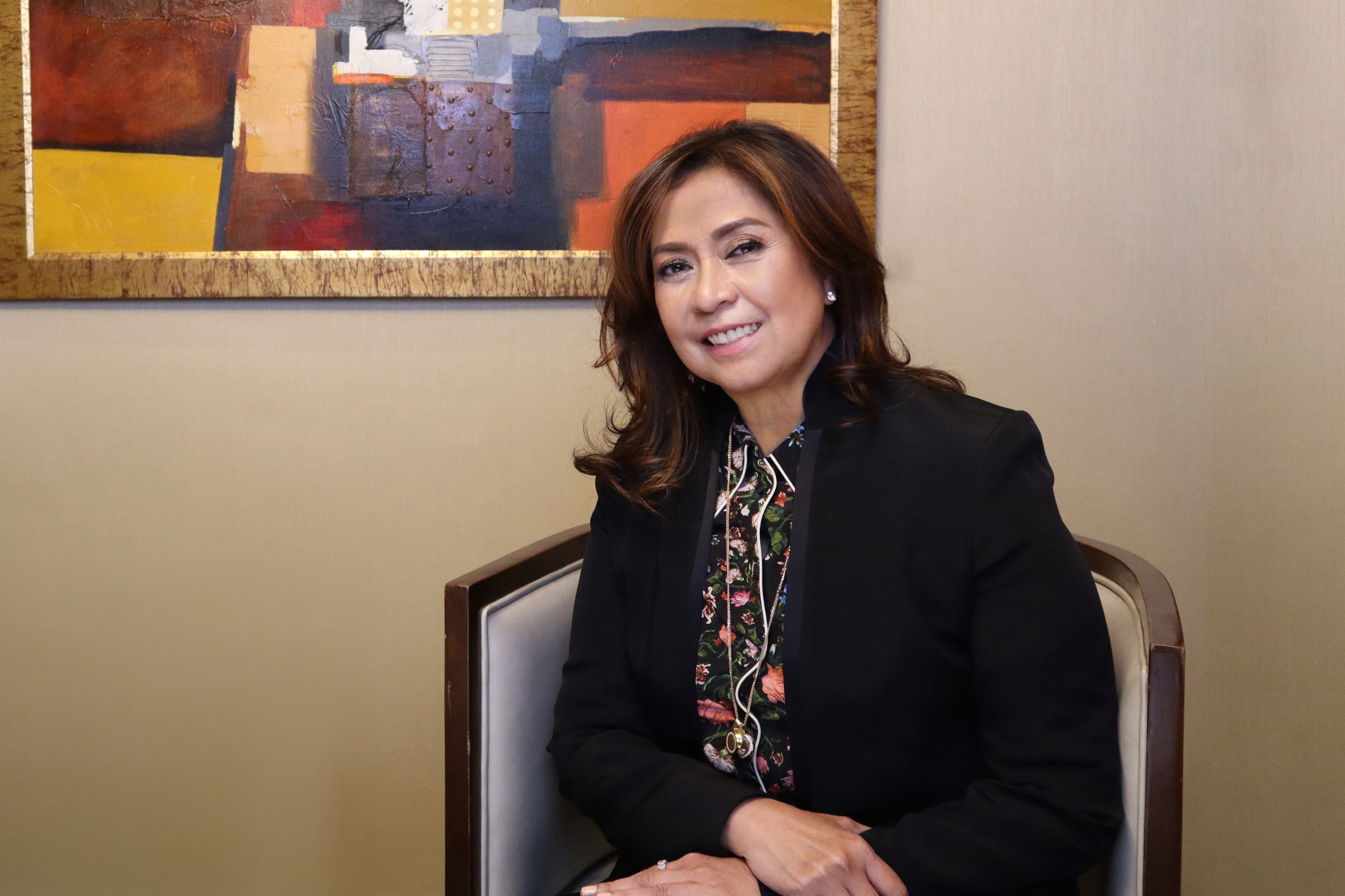
Automotive companies — which provide us with vehicles to mobilize our lives — are typically managed by men. Yet for nearly 25 years now, one woman has been standing among them, proving this field is not their exclusive domain.
That woman is Maria Fe Perez-Agudo, vice chairman, president and CEO of Hariphil Asia Resources, Inc. (HARI), distributor of Chevrolet, Volvo, and Hyundai commercial vehicles. She played a key role in convincing buyers to embrace more varied offerings beyond the typical Japanese and European brands in the early 2000s, leading to the more global selection we have today. She fought for a reduction in excise taxes to help maintain the industry’s vehicles sales and growth momentum. Today, her brands are actively advocating sustainability and inclusivity, as the industry moves towards electrification.
We had a few moments with her to learn about her ongoing battle for inclusivity.
Do you still deal with the usual stereotypes of leadership in the auto industry?
The auto industry has been rather slow in embracing a more inclusive culture. We have seen improvements but we still need to see more female participation at all levels. We are striving to do this at HARI, both at the head office and at the dealerships, celebrating, rewarding, and promoting top performers in all areas of the business. And this takes consistent education, clear and consistent messaging on the value of diversity and inclusiveness in the areas of hiring, promotion, and compensation, and helping maintain a work-life balance and flexible work arrangements especially for those with families; and finally, decision-making to be more consultative and participative.
How does this push for inclusivity help both the company and customer?
Female leaders often make inclusivity and diversity a priority, not only at home but in the workplace. This results in a more engaged workforce and a culture that supports creativity and innovation. Such inclusivity can make for business strategies that effectively respond to our rapidly-changing market. It helps especially in marketing, providing more insights to address the preferences of women motorists, as women now globally make up 50 percent of car buyers. In the Philippines, we are close to getting there as well.
How much more important have female consumers become in the current automotive market?
For our industry to grow, automakers should leave no stone unturned in understanding the decision-making process of women when it comes to buying a car and caring for it afterwards. Thus, we can successfully widen our customer base.
In the US and Europe, women make up close to 50 percent of car buyers (Forbes, 2023). In the Philippines, we are also coming close to that (Standard and Poors, 2022). There is growing interest in EV and eco-friendly options. Women tend to buy cars that match their personal values and concern for the environment. And we tend to show more brand loyalty than men.
Volvo has demonstrated outstanding commitment to women's representation and safety. In 1995, the automaker pioneered the use of anatomically accurate female crash test dummies to ensure that its safety innovations protect all occupants. In 2001, a female mechanical engineer at Volvo developed the world’s first virtual pregnant crash test dummy. It was integrated to crash simulations in 2002. These advancements have been instrumental in improving road safety and saving lives for generations.
Sustainability is now a major part of many mobility companies’ plans for the foreseeable future. How are your companies integrating this key quality in your products?
Women make up the loudest voice when it comes to being responsible for our environment. We need to listen to them more closely. I can proudly tell you that our current model lineup is among the “cleanest” and “greenest” in the world.
Hyundai has been taking the lead in exploring alternative fuels since the early 90s. First, electric, then now a full hydrogen ecosystem that includes production, storage, transportation, and usage. You will see samples of Hyundai electric commercial vehicles soon.
Chevrolet has released a variety of eco-friendly models, including fuel efficient cars and trucks, electric cars and hybrids. We look forward to bringing them in as well.
Of course, Volvo is well known for making the safest cars in the world — safe for passengers, for other road users, and for the environment. We now carry mild hybrids and fully electric models to cater to diverse customer needs.
Do you think the Philippines is ready to transition to electrified vehicles? Are there still steps that the government and private stakeholders need to undertake?
The Philippine government has laid the groundwork for a significant shift towards electric vehicles, not just for environmental reasons but also for economic growth. Republic Act No. 11697 was enacted in 2022 to promote the use of electric vehicles and enhance the local manufacturing ecosystem along with various tax incentives for consumers and manufacturers to reduce the costs of electric vehicle purchases. There’s also the developing network of charging stations to support the growing number of electric vehicles on the road.
However, challenges remain, such as a lack of comprehensive charging infrastructure and high upfront costs. Options, like leasing, subscription services, and government-backed loan programs can make electric vehicles more appealing to consumers who might be hesitant about the initial investment. For example, Volvo Philippines recently partnered with Security Bank Corp., through SB Rental Corp., to provide flexible leasing options for Volvo cars.
What can industry players (like yourself), the government, communities, and individuals do to further close the gender gap across industries?
In the face of today’s challenges, a multi-sector approach is needed to make women’s voices truly heard. Our perspectives are essential to shaping a better way forward for business and for inclusive growth.
I believe we need to improve women’s access to information and opportunities via digital solutions. Connection opens us to market information, economic opportunity (e-commerce), and better services, especially with regard to finances and health and nutrition.
We need to open up opportunities for women to acquire the skills and knowhow to succeed in the workplace — from financial literacy to mentorship programs to leadership training.
Finally, we need to promote “positive masculinity” among the youth and adults to transform outdated definitions and experiences of what it means to be “a man.”
There is the need to increase the number of women in leadership and management to come up with policies that will ensure equitable treatment and a healthy, safe, and gender-sensitive work environment in various areas of the supply chain. Only women can truly understand and respond to the unique needs and perspectives of their sex.
I would like to share my experience with whoever wishes to learn from me. I look forward to partner up with like-minded people and institutions to formulate these solutions, implement existing best practices, and broaden their reach.