







Windows 10 phase out – What can you do?


For nearly 10 years now, Windows 10 has been running millions of PCs, including those of Filipinos who use it for work, school, and daily entertainment. But come October 2025, Microsoft will end security updates and support for the decade-old champ. This means you, me, and millions of users worldwide need to start planning our next move: upgrade to Windows 11 or find ways to keep our devices running smoothly while clinging on desperately to Win10.
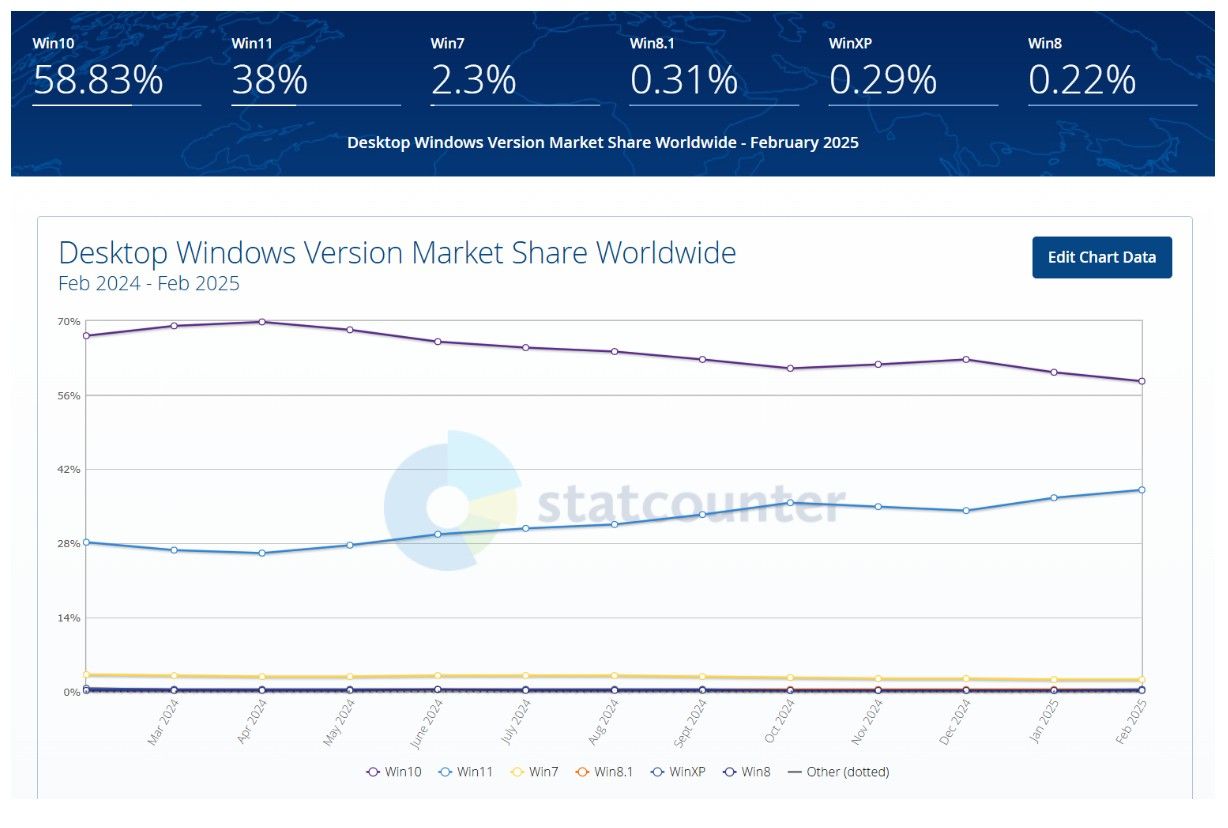
According to StatCounter, about 59% of Windows users utilize Win 10, with Win 11 steadily climbing (38%), and a measly 2.3% stubbornly holding on to Windows 7 (yes, we don’t talk about Windows 8). While Win 11 has a solid base of supporters, it is undeniable that the Operating System (OS) of choice is still Win 10.
What made Windows 10 great? Why is Microsoft pushing for change? And most importantly, if you’re still on Win 10, what are your options?
Win10: A Giant Leap
I don’t know if you remember, but the anticipation for Windows 10 was MASSIVE. Its predecessor, Windows 8 (there was no Windows 9) overly focused on touchscreen devices – making a radical change to its user interface, including doing away with the iconic Start button. The confusing and counterintuitive interface (especially if you’re using mouse and keyboard), alienated a large portion of its user base.
The unfamiliar interface led to frustration and poor desktop experience, earning Win8 the reputation of a ‘failed’ OS.
Windows 10 promised to change all that. It didn’t just fix the Win8 interface, it was an honest-to-goodness, massive improvement over its predecessor. Not only did Win10 bring back familiar features, it also introduced new features that made computing more seamless, efficient, and modern. These include:
The Return of the Start Menu – Who knew that the modest Start button could elicit such a strong response? After its controversial removal, its return in Windows 10 was like a satisfying inhalation after holding your breath for a long time. Finally, the world was healing.
Microsoft Edge – Internet Explorer stepped aside for Edge. Microsoft claimed it was a faster, more secure, and modern browser, but the majority of users weren’t able to verify the claims, as usage of the Edge web browser continues to be sub-optimal.
Task View – For multitaskers, Win10 launched a feature allowing users to quickly locate an open window, swiftly hide all windows, and show the desktop. Task View made managing windows across multiple monitors or virtual desktops possible.
Cortana – Originally designed for the Windows Phone 8.1, Microsoft’s digital assistant, Cortana, was the answer to Siri, and later integrated into Windows 10.
Gaming & DirectX 12 – There’s a reason why gamers swear by Windows 10. The OS improved gaming performance and supported Xbox integration, delighting gaming afficionados.
A testament to Win10’s reliability and ease of use is how it played a quiet but key role in our lives during the pandemic. Despite the unprecedented dependence on our computers for remote work and online learning, there was virtually no news about a computer virus outbreak or a breakdown in Win10’s system. Schools, offices, and freelancers depended on it, proving its reliability. Could you imagine if we had the numerous and varied issues of past Windows plaguing us during the pandemic? What a disaster that would have been.
The Phase Out
If Windows 10 is all that jazz, why is Microsoft ending it? Supposedly, the answer is simple: Win11 is a more secure and more efficient system.
Yes, in time, older operating systems become more vulnerable to cyberattacks. Microsoft can keep issuing patches and updates, but Win10’s underlying foundation has been running for a decade now, and hackers and opportunists knows its ins and outs. In contrast, Windows 11 has been designed with stronger security features in mind. With requirements like TPM 2.0, Windows 11 is deliberately built to be more secure against cyber threats.
Windows 11 is also faster and more efficient than Win10… maaaaaaybe. I know a lot of gamers and computer technicians – people who spend their every days fixing broken machines – who will swear how much of a headache Windows 11 can be. Win11 will probably triumph on official benchmarks and standard tests, but then again, the said OS is optimized for newer hardware – older machines won’t even be able to run Win 11, so it’s only natural that it would tend to score better.
Win 11 also boasts of a more aesthetic and modern design. The centered Start Menu and redesigned interface give it a sleek, Mac-like feel… if you like that sort of thing.
Despite all these improvements, majority of PC users still prefer Windows 10.
Some have no choice. Many older PCs (even ones that can run AAA games without a hitch) don’t meet Windows 11’s requirements. This makes an interesting conundrum for the user: if their machine is still doing well for its primary task, why would they change it (and spend a lot of money) to conform to something that hasn’t earned the right to make such a demand?
Some users also prefer Win10’s familiar interface and features. Every ‘upgrade’ to a new OS necessitates a learning period. Unlike the migration from Win8 to Win10, the need and the benefits of shifting from Win10 to Win11 isn’t as clear.
In the Philippines, where many households and businesses still use older hardware, hand-me-down devices, or budget-friendly PCs, Windows 11’s restrictions/requirements make upgrading a challenge.
What Are Your Options?
Microsoft’s corporate mandate forces its customers to make personal decisions regarding their devices.
Option 1: Upgrade to Windows 11 (If your PC is compatible)
First, check on the Microsoft site if your device meets Windows 11’s requirements. If yes, then enable TPM 2.0 & Secure Boot – these security features must be turned on in your BIOS settings. Of course, before diving into the whole upgrade process, backup your data.
If your PC meets the requirements, congratulations! You can upgrade for free from Windows 10.
Option 2: Upgrade Your Hardware
If your PC can’t hack it but you still want to shift to Windows 11, you may need to upgrade some components – whichever area you’re lacking. Maybe it’s just RAM (an easy swap) that you need to upgrade or maybe you need a more powerful CPU. Check first before buying anything.
If it looks like you need more of an overhaul rather than a simple addition of certain components, you can consider buying a whole new rig. This is of course more exciting and gives you more breathing room for future upgrades, but cost could be a concern.
Option 3: Stick to Windows 10 (for now)
Even after Microsoft ends support for Windows 10, the OS will still function. However, you’ll no longer receive official security updates, which, in this age of endless scams and hacks, can be quite dangerous. If you choose this route for now, here are some precautions you should take:
Install a good antivirus software. This is non-negotiable since Microsoft won’t be providing security patches. Don’t even think about foregoing this.
Use a supported browser. If you haven’t done so, switch to a browser that will get continuous security updates regardless of whether you’re using Windows’ latest version or not. Google Chrome and Brave are good options.
Be vigilant online. Avoid suspicious downloads, scummy sites, and questionable activities. And always keep backups of important files.
The end of Windows 10 may seem like a major inconvenience, but in due course, it’s a movement toward a safer/faster computing experience. If you have a compatible PC, good for you! Upgrading to Windows 11 is the logical option. But in case you don’t, you still have time to either upgrade your hardware or make the most of Windows 10 while it lasts.