

ADVERTISEMENT

'Fee-free' myth: Filipinos pay ₱8.37 billion in hidden remittance costs in 2023

Published Mar 10, 2025 06:46 am

Filipinos receiving and sending money from overseas lost an estimated total of ₱8.37 billion in 2023 to "hidden" fees charged by banks and money remittance centers on foreign currencies, according to findings from transparency research commissioned by global fintech firm Wise.
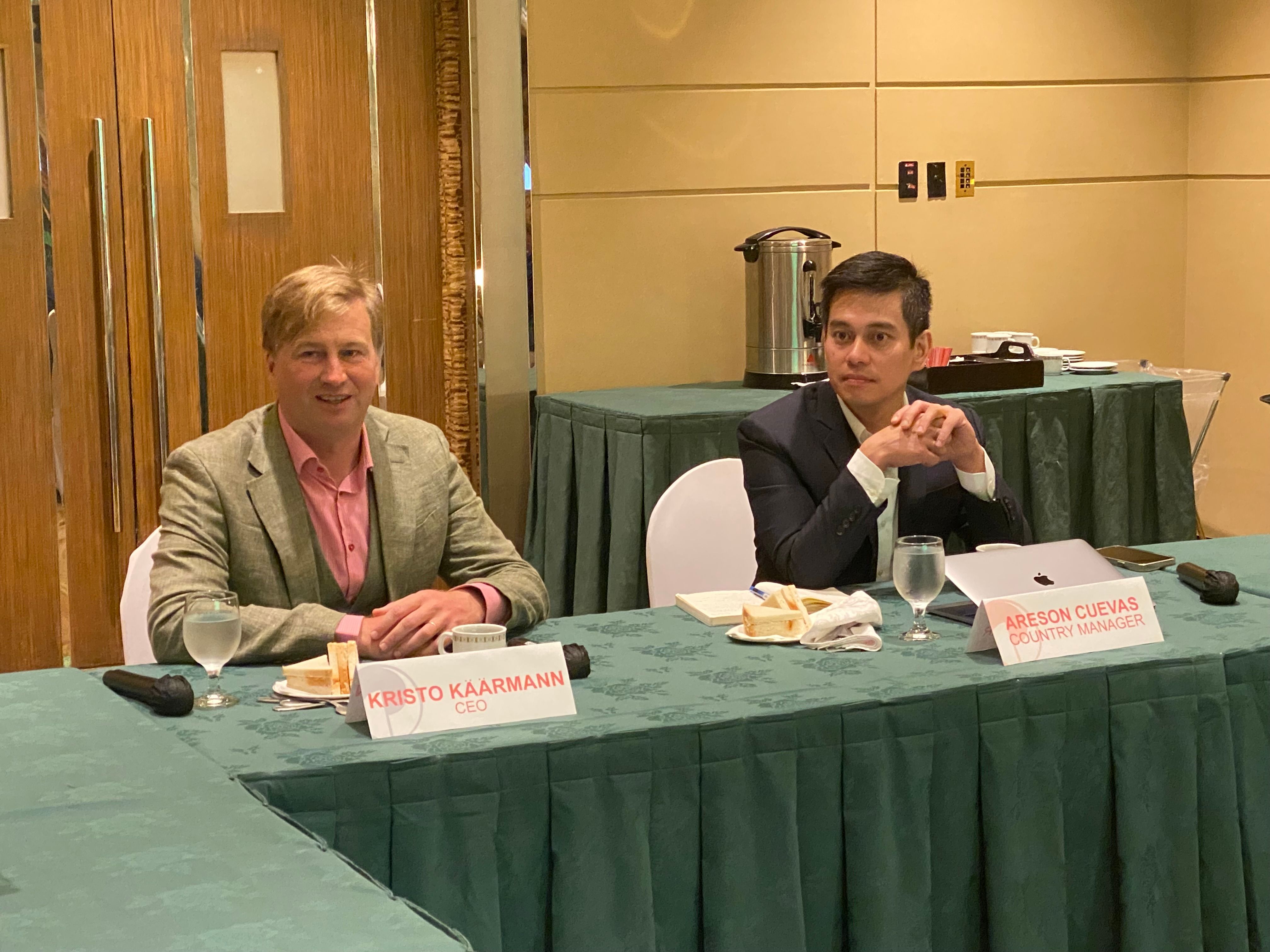
Wise officials

Kristo Käärmann, co-founder and chief executive officer (CEO) of London-based Wise, told reporters on Monday, March 10, that many Filipinos were paying foreign exchange (FX) and remittance fees "thinking it's zero or a small fee."

In reality, Käärmann said consumers do not realize that they're being charged a "bad" exchange rate, citing studies conducted by Edgar, Dunn & Company (EDC) and YouGov late last year.

Wise, which offers digital products and services that more efficiently manage and move money worldwide, noted in a statement that an international transfer of $10,000 or about ₱578,000 advertised as "fee-free" could actually cost ₱21,187 due to hidden FX markups if a 3.6-percent margin is applied.

While upfront fees are typically disclosed, many providers add an undisclosed markup on the exchange rate instead of using the fair, mid-market rate—the rate usually seen on Google—causing consumers to pay more than expected.

In FX and remittance transactions to and from the Philippines, these charges are usually shouldered by Filipinos themselves, not by foreigners.

"It's really the Filipinos paying the price," Käärmann said.

In particular, this price is paid by overseas Filipino workers (OFWs), parents who send money to their children studying abroad, and gig economy workers or freelancers.

The studies showed that 72 percent of surveyed Filipinos supposedly "somewhat" or "fully" understand international payment costs.

However, research revealed that just 18 percent of them are fully aware of the cost of hidden FX markups.

"Fifty-seven percent of Filipinos believe they understand the cost of payments but they actually don't, while another 25 percent are unaware of the true costs of remittances," Wise said.

While Käärmann did not provide a breakdown of those who benefitted from these hidden FX fees, he said it's likely that the majority "ends up with Filipino banks."

Areson Cuevas, Wise Philippines country manager, said they'll present these studies to the Bangko Sentral ng Pilipinas (BSP), which Käärmann said is "aware of this challenge."
BSP.png

"[The BSP knows] that banks and remittance services are not transparent," Käärmann said, adding that the central bank had issued a circular establishing a clear regulatory framework to support remittance pricing transparency.

While Käärmann said this framework is "not yet practiced" by industry players, the BSP move was "a good sign that the regulator has noticed that challenge."

"By fully aligning with these rules, the country could unlock ₱8.37 billion for the economy, benefiting families, businesses, and the broader financial system. Being transparent on fees is a small action that can have a huge benefit for Filipinos," Cuevas said.

It also presents an opportunity for Wise to deepen its presence in the Philippine market by offering new services, such as Wise Business and Wise Assets, on its mobile platform, forthcoming soon, Cuevas disclosed.

Wise file photo

"At Wise, transparency isn’t just a promise—it's built into how we operate. We ensure customers know exactly what they're paying upfront, so they can make informed choices and get the most value from their money," according to Cuevas.

While Wise's Philippine business is relatively new, a "substantial" volume of its global money transfers is coming into the Philippines, Käärmann said.

Filipinos also account for "quite a large number" of Wise's 12.8 million customers worldwide, according to Käärmann.

Related Tags

foreign exchange services Remittances Bangko Sentral ng Pilipinas (BSP) foreign exchange
ADVERTISEMENT
.most-popular .layout-ratio{ padding-bottom: 79.13%; } @media (min-width: 768px) and (max-width: 1024px) { .widget-title { font-size: 15px !important; } }

{{ articles_filter_1561_widget.title }}

.most-popular .layout-ratio{ padding-bottom: 79.13%; } @media (min-width: 768px) and (max-width: 1024px) { .widget-title { font-size: 15px !important; } }

{{ articles_filter_1562_widget.title }}

.most-popular .layout-ratio{ padding-bottom: 79.13%; } @media (min-width: 768px) and (max-width: 1024px) { .widget-title { font-size: 15px !important; } }

{{ articles_filter_1563_widget.title }}

{{ articles_filter_1564_widget.title }}

.mb-article-details { position: relative; } .mb-article-details .article-body-preview, .mb-article-details .article-body-summary{ font-size: 17px; line-height: 30px; font-family: "Libre Caslon Text", serif; color: #000; } .mb-article-details .article-body-preview iframe , .mb-article-details .article-body-summary iframe{ width: 100%; margin: auto; } .read-more-background { background: linear-gradient(180deg, color(display-p3 1.000 1.000 1.000 / 0) 13.75%, color(display-p3 1.000 1.000 1.000 / 0.8) 30.79%, color(display-p3 1.000 1.000 1.000) 72.5%); position: absolute; height: 200px; width: 100%; bottom: 0; display: flex; justify-content: center; align-items: center; padding: 0; } .read-more-background a{ color: #000; } .read-more-btn { padding: 17px 45px; font-family: Inter; font-weight: 700; font-size: 18px; line-height: 16px; text-align: center; vertical-align: middle; border: 1px solid black; background-color: white; } .hidden { display: none; }
function initializeAllSwipers() { // Get all hidden inputs with cms_article_id document.querySelectorAll('[id^="cms_article_id_"]').forEach(function (input) { const cmsArticleId = input.value; const articleSelector = '#article-' + cmsArticleId + ' .body_images'; const swiperElement = document.querySelector(articleSelector); if (swiperElement && !swiperElement.classList.contains('swiper-initialized')) { new Swiper(articleSelector, { loop: true, pagination: false, navigation: { nextEl: '#article-' + cmsArticleId + ' .swiper-button-next', prevEl: '#article-' + cmsArticleId + ' .swiper-button-prev', }, }); } }); } setTimeout(initializeAllSwipers, 3000); const intersectionObserver = new IntersectionObserver( (entries) => { entries.forEach((entry) => { if (entry.isIntersecting) { const newUrl = entry.target.getAttribute("data-url"); if (newUrl) { history.pushState(null, null, newUrl); let article = entry.target; // Extract metadata const author = article.querySelector('.author-section').textContent.replace('By', '').trim(); const section = article.querySelector('.section-info ').textContent.replace(' ', ' '); const title = article.querySelector('.article-title h1').textContent; // Parse URL for Chartbeat path format const parsedUrl = new URL(newUrl, window.location.origin); const cleanUrl = parsedUrl.host + parsedUrl.pathname; // Update Chartbeat configuration if (typeof window._sf_async_config !== 'undefined') { window._sf_async_config.path = cleanUrl; window._sf_async_config.sections = section; window._sf_async_config.authors = author; } // Track virtual page view with Chartbeat if (typeof pSUPERFLY !== 'undefined' && typeof pSUPERFLY.virtualPage === 'function') { try { pSUPERFLY.virtualPage({ path: cleanUrl, title: title, sections: section, authors: author }); } catch (error) { console.error('ping error', error); } } // Optional: Update document title if (title && title !== document.title) { document.title = title; } } } }); }, { threshold: 0.1 } ); function showArticleBody(button) { const article = button.closest("article"); const summary = article.querySelector(".article-body-summary"); const body = article.querySelector(".article-body-preview"); const readMoreSection = article.querySelector(".read-more-background"); // Hide summary and read-more section summary.style.display = "none"; readMoreSection.style.display = "none"; // Show the full article body body.classList.remove("hidden"); } document.addEventListener("DOMContentLoaded", () => { let loadCount = 0; // Track how many times articles are loaded const offset = [1, 2, 3, 4, 5, 6, 7, 8, 9, 10]; // Offset values const currentUrl = window.location.pathname.substring(1); let isLoading = false; // Prevent multiple calls if (!currentUrl) { console.log("Current URL is invalid."); return; } const sentinel = document.getElementById("load-more-sentinel"); if (!sentinel) { console.log("Sentinel element not found."); return; } function isSentinelVisible() { const rect = sentinel.getBoundingClientRect(); return ( rect.top < window.innerHeight && rect.bottom >= 0 ); } function onScroll() { if (isLoading) return; if (isSentinelVisible()) { if (loadCount >= offset.length) { console.log("Maximum load attempts reached."); window.removeEventListener("scroll", onScroll); return; } isLoading = true; const currentOffset = offset[loadCount]; window.loadMoreItems().then(() => { let article = document.querySelector('#widget_1690 > div:nth-last-of-type(2) article'); intersectionObserver.observe(article) loadCount++; }).catch(error => { console.error("Error loading more items:", error); }).finally(() => { isLoading = false; }); } } window.addEventListener("scroll", onScroll); });

Sign up by email to receive news.