






 Philippines
National
PH explores hybrid solar-wind energy to power cybercrime facilities
Philippines
National
PH explores hybrid solar-wind energy to power cybercrime facilities
PH explores hybrid solar-wind energy to power cybercrime facilities
By Jel Santos


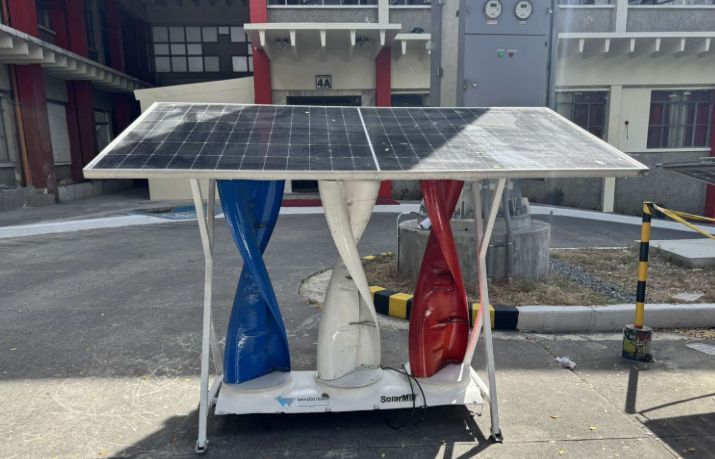
The Cybercrime Investigation and Coordinating Center (CICC) and the Philippine National Oil Company (PNOC) have signed an agreement to study the use of hybrid solar and wind energy to power cybercrime-resilient facilities in some of the country’s most remote areas.
The memorandum of agreement, signed on Feb. 28 at the National Cybercrime Hub in Bonifacio Global City, Taguig City, marks a collaboration between the government’s cybercrime agency and its energy sector to develop sustainable power solutions for geographically isolated and disadvantaged areas (GIDAs).
“The new green technology aims to be sustainable and an efficient source of energy,” Alexander K. Ramos, the executive director of CICC, said in a statement.
Under the agreement, the two agencies will conduct a joint technical study to design and deploy hybrid solar and wind power systems with battery storage. These systems are expected to provide a reliable energy source for cybercrime facilities in areas with little to no access to traditional power grids.
“PNOC has been actively promoting renewable energy, and it is important that we partner with them,” Ramos said.
The Philippines has long struggled to bring stable electricity to its most remote regions, where power outages and insufficient infrastructure remain persistent challenges.
By combining wind and solar energy, the government hopes to address these gaps and create a more resilient and sustainable energy solution for critical operations.
Oliver B. Butalid, PNOC’s president and chief executive officer, said that the project aligns with the company’s mission of delivering innovative energy solutions to underserved communities.
“So this is one project that will showcase an intersection of the mission of PNOC and CICC,” he said. “Because the energy solution that we are providing is very new to the country.”
According to Butalid, this would be the first time a hybrid wind and solar power facility would be deployed in the Philippines.
“This is also very portable and practical,” he said, noting that similar technology is already widely used in India, South America, and Indonesia.
Compared to conventional solar systems, hybrid solar-wind technology offers higher energy capacity and greater efficiency, Butalid added.
“Solar energy has low capacity, while the hybrid wind and solar facility has a higher capacity,” he said.
The CICC plans to roll out the technology in 10 locations across the country as part of its efforts to bolster cybersecurity operations while promoting clean energy.