






 Philippines
National
DA's 4,000 MT onion importation exposes gov't neglect of Pinoy farmers—groups
Philippines
National
DA's 4,000 MT onion importation exposes gov't neglect of Pinoy farmers—groups
DA's 4,000 MT onion importation exposes gov't neglect of Pinoy farmers—groups
By Jel Santos


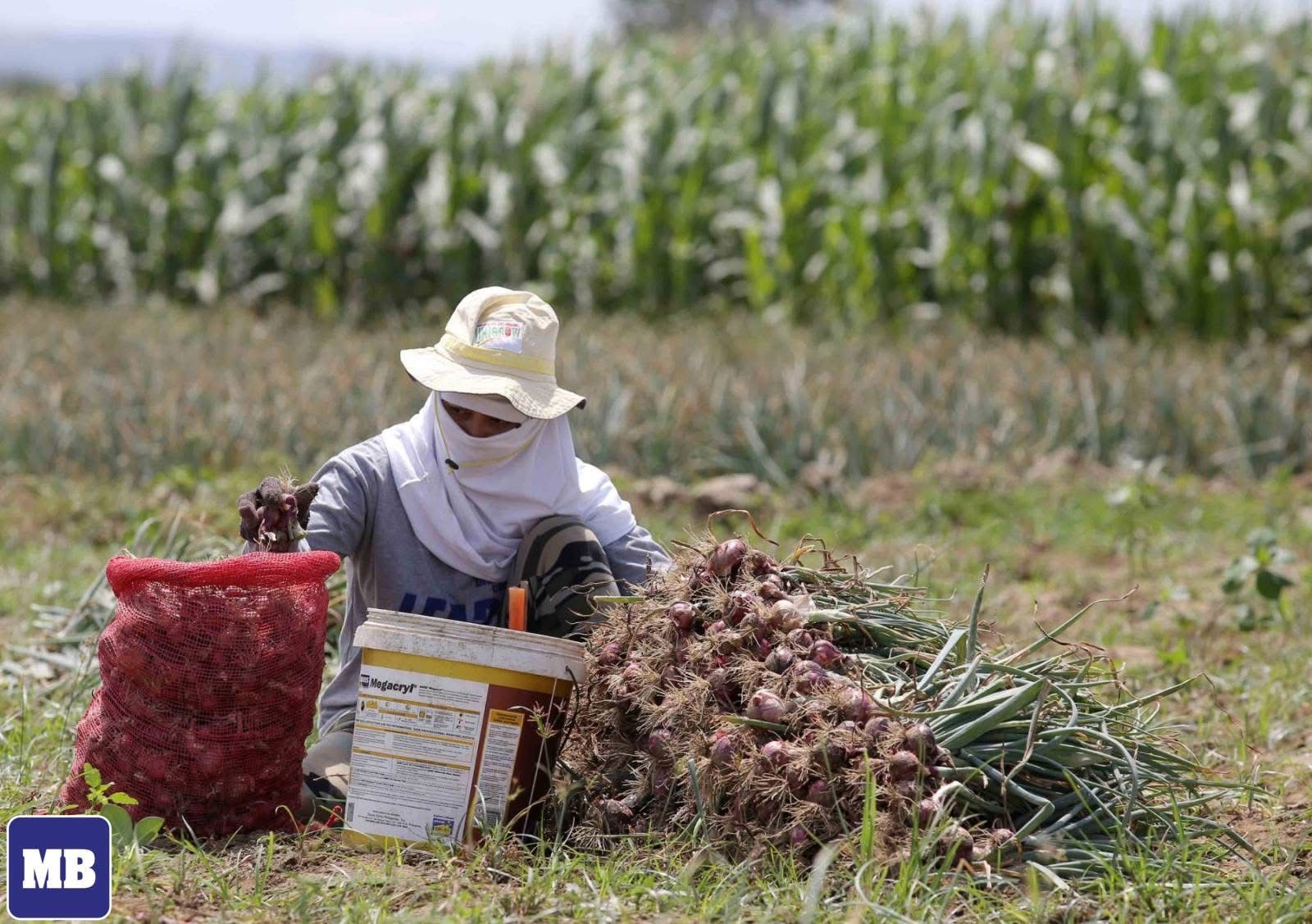
Farmers and progressive groups said that the Department of Agriculture’s (DA) decision to import 4,000 metric tons (MT) of onions on the eve of the local harvest season highlights the administration’s lack of concern for Filipino farmers.
In a statement, farmers’ group Kilusang Magbubukid ng Pilipinas (KMP) said that instead of stabilizing prices, the agency’s decision will further undermine the domestic agricultural sector.
“Farmers should not be made to suffer again due to the government’s failed policies and misplaced priorities,” Danilo Ramos, the chairperson of KMP, said.
According to Ramos, the DA’s move once again favors traders and importers rather than supporting local farmers.
He cautioned that the influx of imported onions during harvest season would depress farm gate prices and deepen farmers’ financial struggles.
“Once again, the DA has shown where its loyalties lie—not with our struggling farmers but with big traders and importers who benefit from these policies. Importing onions at this time will push down farm gate prices, leaving our farmers in deeper debt and losses,” he stated.
“The government’s onion importation right in the middle of harvest season is a deliberate act of economic sabotage that will only drive down farmers’ incomes while benefiting a few importers.”
The Amihan National Federation of Peasant Women has also criticized the move of the agriculture department, saying importing onions amid harvest season will further burden onion farmers in the country.
Amihan Secretary General Cathy Estavillo Said such measure would force down farm gate prices and trigger significant losses for local farmers, while benefiting large traders who would then hike retail prices for substantial profit.
She stressed that such importation policies repeatedly inflict undue suffering on farmers because the government appears to favor foreign interests, big traders, importers, and hoarders.
Data from the Bureau of Plant Industry showed that as of mid-January, red onion stocks stood at 8,500 metric tons and white onion stocks at 1,628 metric tons.
Last year, domestic production reached a record 264,323 metric tons—the highest since 2019—with an estimated 33,000 metric tons expected from the upcoming harvest.
Ramos said that such robust local supply renders the importation unnecessary.
Group demands accountability
The KMP demanded accountability from the DA over its P3-billion cold storage program and the Optimization and Resiliency In the Onion Industry Network (ORION) Project.
“We have seen this before—onion prices plummeting and farmers forced to dump their harvest due to oversupply. Now, the government must answer: What happened to President Ferdinand Marcos Jr.’s promise to build more cold storage facilities for farmers?” said Ramos.
Ramos noted that in 2024 President Marcos acknowledged that oversupply drives prices down and proposed cold storage as a solution—citing solar power as a means to reduce operational costs.
As such, he said that DA Secretary Francisco Tiu Laurel later announced plans to establish two solar-powered cold storage facilities in Occidental Mindoro by 2025.
However, Ramos pointed out that farmers nationwide are still struggling to access proper storage while massive onion wastage continues, and he questioned where these promised facilities were.
The KMP president said that the current policies of the agriculture department are in dire need of a complete revision.
“We must protest DA’s skewed policy of prioritizing importers over local farmers. Stop the unbridled importation, take the PH agriculture out of the WTO Agreement on Agriculture and genuinely strengthen local agri production. The continued suffering of onion farmers is a clear indication that DA policies need an urgent overhaul,” he said
On Feb. 6, DA Laurel announced that he had greenlit the importation of 3,000 metric tons of red onions and 1,000 metric tons of white onions, with shipments slated to arrive within two weeks.