






 Philippines
National
Social media messages, marriage cost 'scare' more young Pinoy couples from getting married
Philippines
National
Social media messages, marriage cost 'scare' more young Pinoy couples from getting married
Social media messages, marriage cost 'scare' more young Pinoy couples from getting married


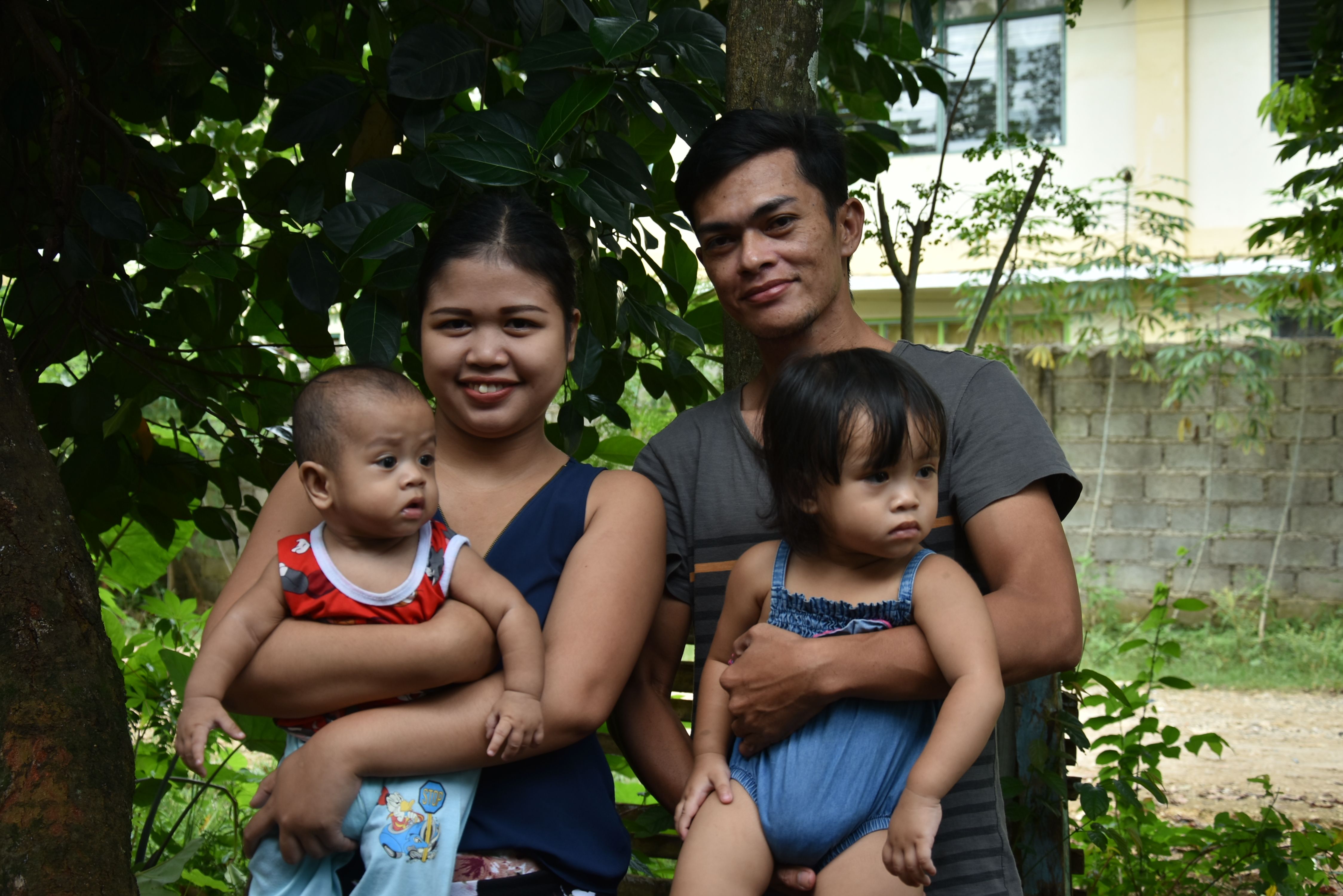
photo: Commission on Population and Development (CPD)
The exposure to social media contents discussing the complexities of married life and the high cost of marriage ceremony are scaring more young Filipino couples to seal their relationships with wedding vows and rings.
As a result, most Filipino couples find cohabitation, or live-in, as more practical and beneficial arrangement in pursuing family and marital goals, recent studies of the Commission on Population and Development (CPD) with the Asian Center of Education, Research, and Training for Innovation (ACERT) revealed.
In the study entitled “Unearthing Perspectives in Nuptiality and Cohabitation: A Critical Discourse Analysis of Narratives of Women Aged 20-29 in Selected Urban and Rural Areas in the Philippines”, the researchers delved specifically into the patterns and considerations in the decisions of women aged 20 to 29 related to nuptiality and cohabitation.
“The 2020 Census of Population and Housing showed that the most number of women (i.e., 2.5 million), who are in common-law/live-in situations are those in that age group,” the CPD said in explaining why its study focused on the 20-29 group.
But even before such study was completed, there was also data from the National Demographic and Health Survey (NDHS) which revealed that women aged 15-49 who are living together have gradually quadrupled within the span of three decades from five percent in 1993 to 19 percent in 2022.
This result was reinforced by the 2021 Young Adult Fertility and Sexuality (YAFS) study which showed that about 12 percent of the 20 million youth aged 15-24 are living in or cohabiting.
Even the Philippine Statistics Authority (PSA) data provided more pieces of evidence on matter as the civil registry and vital statistics of the agency disclosed that the number of children outside marriage is at 842,728, as compared to 605,794 births from couples in formal union.
Overexposed
Have you ever encountered social media contents featuring older couples giving a piece of advice that one of the secrets to a long marriage is for the husband to accept that the wife is always right? Or that short videos showing a transition of a fashionable woman to a styleless and drab, or "losyang" mom?
Well, these are but some of the social media contents that have been scaring young Filipino couples from getting married.
In the study, the women respondents shared that they have been exposed to social media messages that show the complexity of relationships and the difficulties of marriage.
“Social media is a powerful tool of illustrating life through its contents,” the CPD said in a statement.
“Thus, marriage becomes a cautionary tale for the participants because of social media,” it added.
‘Mahal na, paiyakan pa’
Several social media contents also focus on the hassles of getting married, especially in the Philippines.
Some of the contents also featured the most expensive places in the Philippines to marry.
In the study, it also showed respondents complaining about the intricate and tiring process of completing requirements and filing for marriage certificate.
They said working on the requirements meant that they had to be absent from work to request or file documents in government agencies, which they would not be able to afford since absences mean a loss in income.
“They would only find hope to marry in the future when finances are more stable and only through mass weddings,” the study revealed.
Other reasons
The study found that many couples enter into cohabitation prior to marriage because of the following factors:
1. Living together is considered as manifestation of the next step of a committed relationship while waiting for the proper time to get married;
2.Parents prefer their children to cohabit especially when they are still at a young age;
3.Cohabitation is the practical means to morally and economically cope with unintended pregnancy;
4.Cohabitation is more economically practical to raise a family;
5.Cohabitation can help couples alleviate negative relationship with parents;
6.Cohabitation is an arrangement taken in cases of couples with contradicting religion.
Intervention
The study said the emerging patterns in nuptiality and cohabitation require intervention through creation and adoption of programs and policies that can strengthen the families regardless of the marital status of couples.
The intervention, the CPD said, may include strengthening responsible parenthood, family planning and reproductive health information and services to prevent unintended pregnancies; and, addressing sexual abuse and other forms of violence among couples.
Also included are strengthening the civil rights of women and children in cohabitation arrangements and providing social protection services among couples and their families especially for services that are deprived of them because they are not formally married.
“Holistic approach and policies such as above would respond to social shifts that may enable an environment and communities where families may thrive,” the CPD said.