

ADVERTISEMENT

Your closet is never half-empty

Whering might be the answer to the dreaded I-have-nothing-to-wear dilemma

Published Feb 5, 2025 12:58 pm

By Bill Urrutia

It’s 8 am. You’re looking at your closet wondering what top-bottom combination works best today. Something light due to the weather? Are your favorite jeans even clean? Band t-shirt na naman? The I-have-nothing-to-wear dilemma feels too familiar for a lot of people. The closet is full, yet the fashionista brain is running empty. It’s as if you never have enough clothes or can’t seem to get the right outfit.
475894591_1152596790202569_1167902557757904181_n.jpg
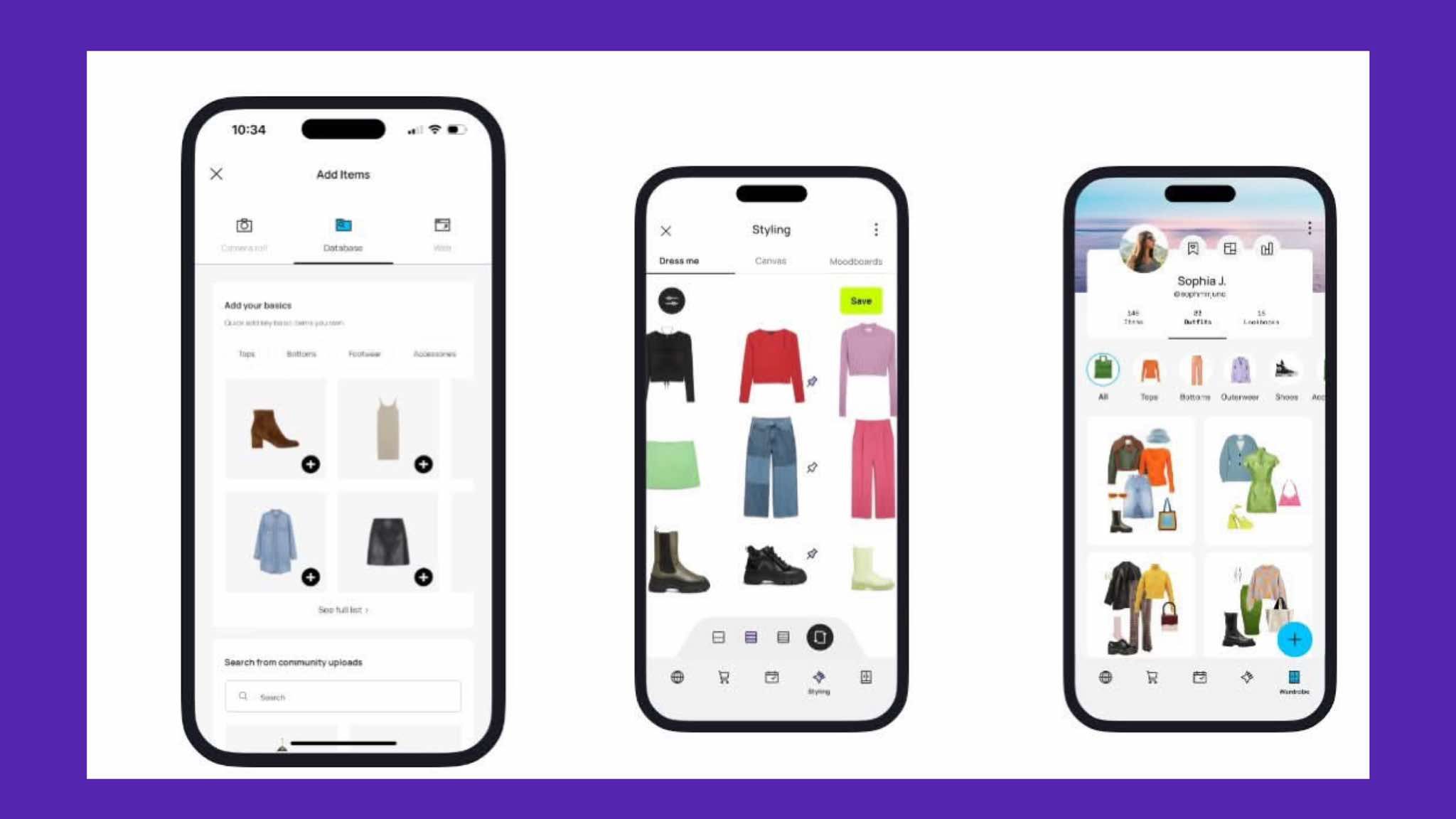
Whering, the latest on fashtech 

Unsurprisingly, this feeling of wardrobe inadequacy is one of the reasons why fast-fashion brands have grown tremendously in the past five years. Shein alone uploads an average of 6,000 styles on its website every single day to help you style yourself. Aside from the issue of carbon emissions from clothing manufacturing (more than all international flights and maritime shipping combined), these brands sell a false solution: buy more of our products so you can complete your outfit. But the problem isn’t that we don’t own enough clothes—it’s that we don’t know how to use what we already have.

I couldn’t let peak consumerism win, so I decided to inventory my wardrobe and hopefully find love from items I purchased years ago—if they still fit. Searching through various apps under fashtech (a term I didn't know existed before writing this), I found Whering—a digital closet and styling app designed to extend the life cycle of idle clothes in your wardrobe.

After a laborious photo session—hours spent cataloging every piece of clothing I own (and cleaning my closet while I was at it)—I can now pair my items Clueless-style.
475695506_9109161799166478_5521167947992292596_n.jpg
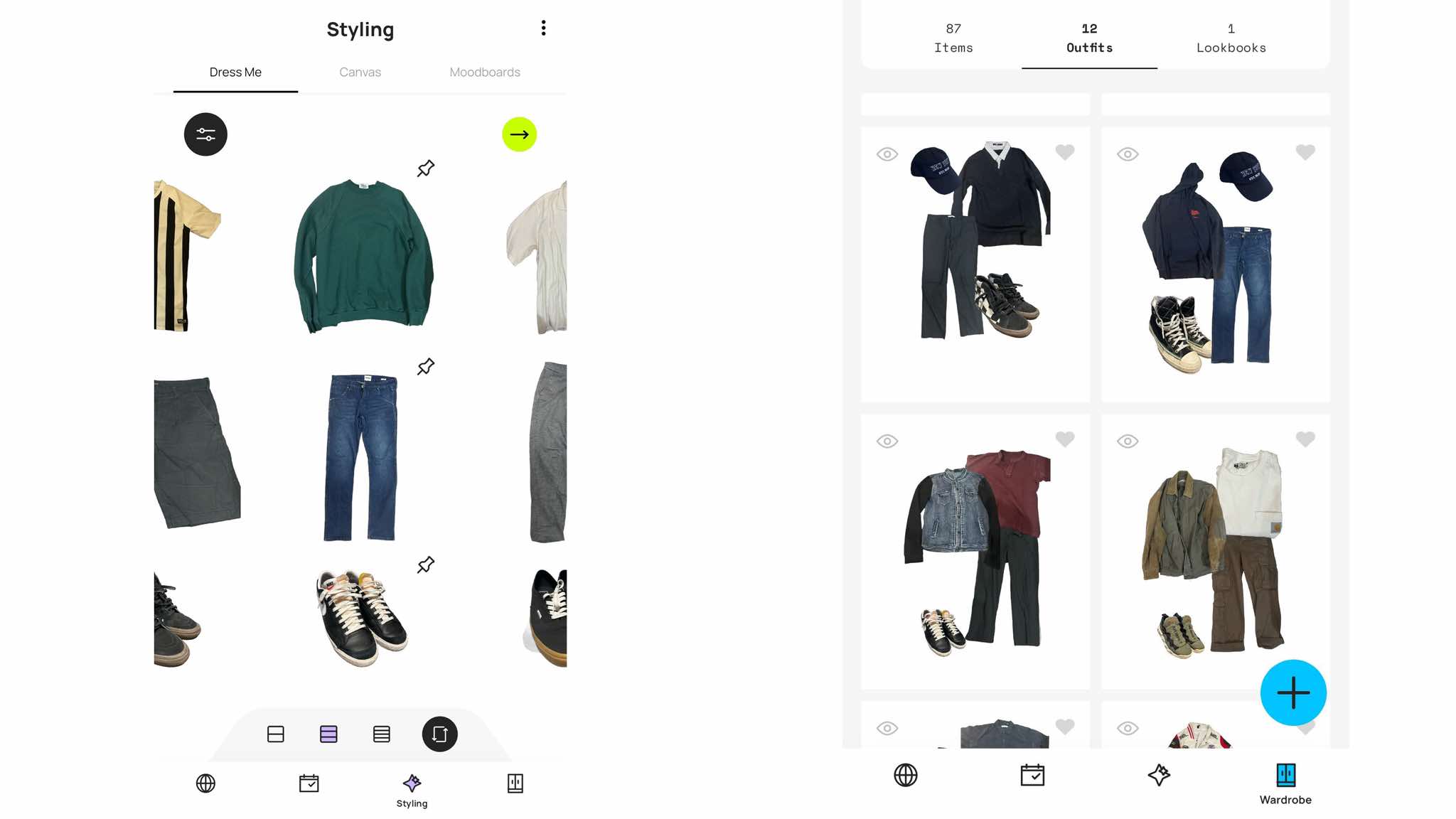
The app "Dress Me" function

Aside from digitizing your wardrobe, the app features an AI-assisted “Dress Me” function where you let a robot dictate your outfit for the day based on color, season, occasion, and more. If you’re not fond of the robot’s fashion sense, you can easily swap items to your liking; and honestly, it’s half the fun. Or, add your friends and let them create an outfit based on the items you uploaded in the app!

Bianca Rangecroft, founder and CEO of Whering, aims for sustainability to be at the core center of the business.

“By allowing our users to digitize their wardrobe, they are able to track what they wear, understand their most worn items, re-create different versions of their looks, and become true outfit repeaters,” Rangecroft told Goldman Sachs.

This, in turn, enables users to view their wardrobe differently, receive new outfit ideas, and get the jolt of novelty without the environmental guilt of fast-fashion.
475690142_2919668181530445_8974861318051766279_n.jpg
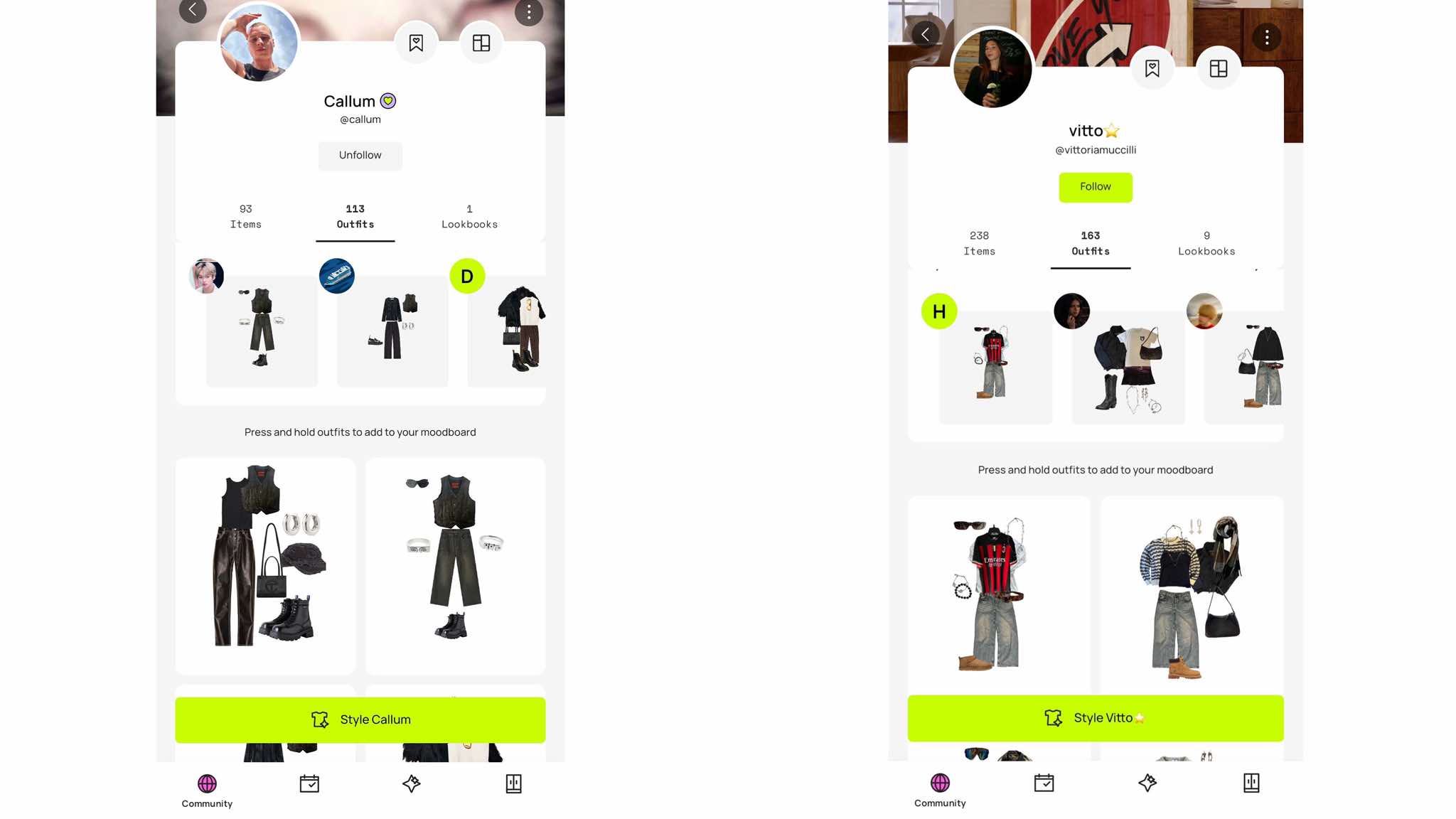
 Wherers, of the app's users

The app follows a B2C “freemium” business model, where a paid subscription unlocks premium features. They also get a percentage of a sale based on recommendations under its shop category. After tinkering and using the app for a few months now, I can say that one can happily use the app without the subscription nor the shop function. And no, you won’t get any pop-up ads from using the free version—a rare win in the age of sneaky subscriptions.

After a few weeks, Whering taught me something surprising: I already had the “look” I wanted—it was just buried under my lack of imagination (and my tendency to wear the same three shirts on rotation). The right fit wasn’t a shopping spree away; it was just a matter of pairing my clothes differently.

If you find yourself staring into the abyss of your overstuffed closet and feeling the I-have-nothing-to-wear dilemma, remember: your closet isn’t half-empty. It’s just waiting for you to see it differently. The most sustainable outfit is the one you already own, these are just waiting for the right moment.
 

Related Tags

Fashion and Beauty Whering
ADVERTISEMENT
.most-popular .layout-ratio{ padding-bottom: 79.13%; } @media (min-width: 768px) and (max-width: 1024px) { .widget-title { font-size: 15px !important; } }

{{ articles_filter_1561_widget.title }}

.most-popular .layout-ratio{ padding-bottom: 79.13%; } @media (min-width: 768px) and (max-width: 1024px) { .widget-title { font-size: 15px !important; } }

{{ articles_filter_1562_widget.title }}

.most-popular .layout-ratio{ padding-bottom: 79.13%; } @media (min-width: 768px) and (max-width: 1024px) { .widget-title { font-size: 15px !important; } }

{{ articles_filter_1563_widget.title }}

{{ articles_filter_1564_widget.title }}

.mb-article-details { position: relative; } .mb-article-details .article-body-preview, .mb-article-details .article-body-summary{ font-size: 17px; line-height: 30px; font-family: "Libre Caslon Text", serif; color: #000; } .mb-article-details .article-body-preview iframe , .mb-article-details .article-body-summary iframe{ width: 100%; margin: auto; } .read-more-background { background: linear-gradient(180deg, color(display-p3 1.000 1.000 1.000 / 0) 13.75%, color(display-p3 1.000 1.000 1.000 / 0.8) 30.79%, color(display-p3 1.000 1.000 1.000) 72.5%); position: absolute; height: 200px; width: 100%; bottom: 0; display: flex; justify-content: center; align-items: center; padding: 0; } .read-more-background a{ color: #000; } .read-more-btn { padding: 17px 45px; font-family: Inter; font-weight: 700; font-size: 18px; line-height: 16px; text-align: center; vertical-align: middle; border: 1px solid black; background-color: white; } .hidden { display: none; }
function initializeAllSwipers() { // Get all hidden inputs with cms_article_id document.querySelectorAll('[id^="cms_article_id_"]').forEach(function (input) { const cmsArticleId = input.value; const articleSelector = '#article-' + cmsArticleId + ' .body_images'; const swiperElement = document.querySelector(articleSelector); if (swiperElement && !swiperElement.classList.contains('swiper-initialized')) { new Swiper(articleSelector, { loop: true, pagination: false, navigation: { nextEl: '#article-' + cmsArticleId + ' .swiper-button-next', prevEl: '#article-' + cmsArticleId + ' .swiper-button-prev', }, }); } }); } setTimeout(initializeAllSwipers, 3000); const intersectionObserver = new IntersectionObserver( (entries) => { entries.forEach((entry) => { if (entry.isIntersecting) { const newUrl = entry.target.getAttribute("data-url"); if (newUrl) { history.pushState(null, null, newUrl); let article = entry.target; // Extract metadata const author = article.querySelector('.author-section').textContent.replace('By', '').trim(); const section = article.querySelector('.section-info ').textContent.replace(' ', ' '); const title = article.querySelector('.article-title h1').textContent; // Parse URL for Chartbeat path format const parsedUrl = new URL(newUrl, window.location.origin); const cleanUrl = parsedUrl.host + parsedUrl.pathname; // Update Chartbeat configuration if (typeof window._sf_async_config !== 'undefined') { window._sf_async_config.path = cleanUrl; window._sf_async_config.sections = section; window._sf_async_config.authors = author; } // Track virtual page view with Chartbeat if (typeof pSUPERFLY !== 'undefined' && typeof pSUPERFLY.virtualPage === 'function') { try { pSUPERFLY.virtualPage({ path: cleanUrl, title: title, sections: section, authors: author }); } catch (error) { console.error('ping error', error); } } // Optional: Update document title if (title && title !== document.title) { document.title = title; } } } }); }, { threshold: 0.1 } ); function showArticleBody(button) { const article = button.closest("article"); const summary = article.querySelector(".article-body-summary"); const body = article.querySelector(".article-body-preview"); const readMoreSection = article.querySelector(".read-more-background"); // Hide summary and read-more section summary.style.display = "none"; readMoreSection.style.display = "none"; // Show the full article body body.classList.remove("hidden"); } document.addEventListener("DOMContentLoaded", () => { let loadCount = 0; // Track how many times articles are loaded const offset = [1, 2, 3, 4, 5, 6, 7, 8, 9, 10]; // Offset values const currentUrl = window.location.pathname.substring(1); let isLoading = false; // Prevent multiple calls if (!currentUrl) { console.log("Current URL is invalid."); return; } const sentinel = document.getElementById("load-more-sentinel"); if (!sentinel) { console.log("Sentinel element not found."); return; } function isSentinelVisible() { const rect = sentinel.getBoundingClientRect(); return ( rect.top < window.innerHeight && rect.bottom >= 0 ); } function onScroll() { if (isLoading) return; if (isSentinelVisible()) { if (loadCount >= offset.length) { console.log("Maximum load attempts reached."); window.removeEventListener("scroll", onScroll); return; } isLoading = true; const currentOffset = offset[loadCount]; window.loadMoreItems().then(() => { let article = document.querySelector('#widget_1690 > div:nth-last-of-type(2) article'); intersectionObserver.observe(article) loadCount++; }).catch(error => { console.error("Error loading more items:", error); }).finally(() => { isLoading = false; }); } } window.addEventListener("scroll", onScroll); });

Sign up by email to receive news.