






 Philippines
National
Taal volcanic ash can be used for radiation shielding, Pinoy researchers find
Philippines
National
Taal volcanic ash can be used for radiation shielding, Pinoy researchers find
Taal volcanic ash can be used for radiation shielding, Pinoy researchers find
By Jel Santos


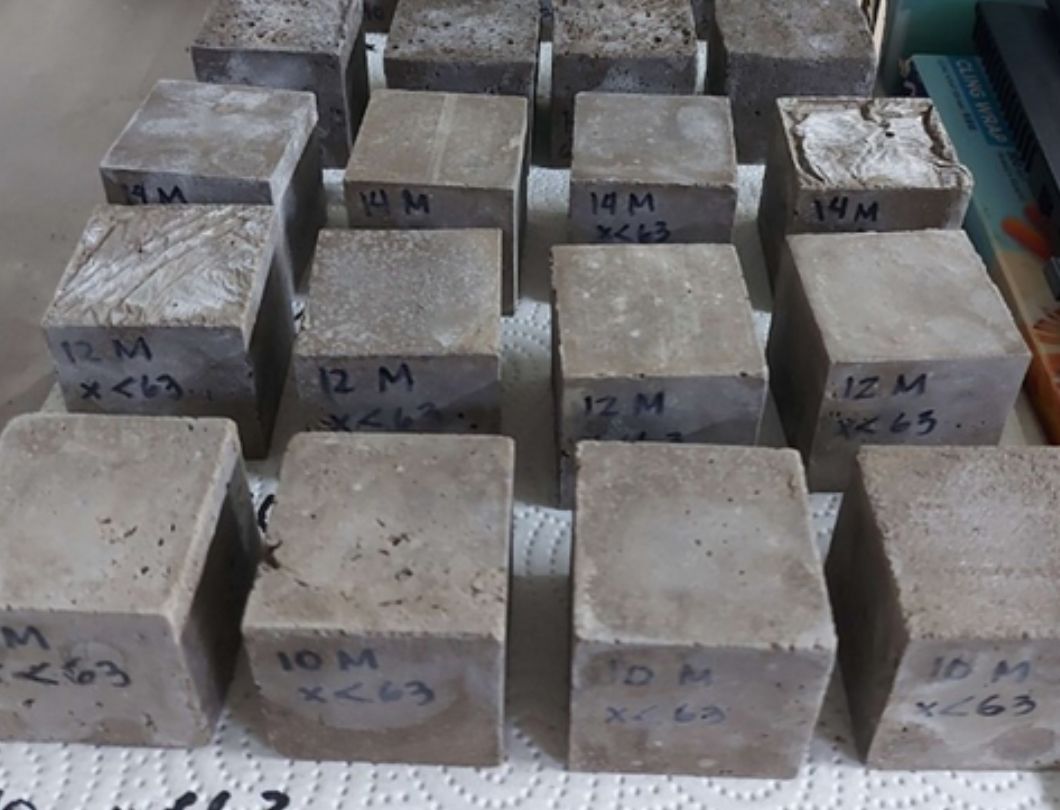
Filipino researchers have discovered a new, sustainable use for volcanic ash from Taal Volcano—radiation shielding.
Scientists from Ateneo de Manila University and National University-Mall of Asia Campus found that Taal volcanic ash (TVA) can block harmful radiation, making it a potential alternative to traditional shielding materials like concrete and lead, which can be expensive and environmentally hazardous.
Radiation shielding is critical for hospitals, industrial sites, and nuclear facilities, where ionizing radiation is used for medical treatments, structural inspections, and food sterilization.
However, prolonged exposure to radiation is dangerous, making effective shielding essential.
In 2020, Taal Volcano erupted and covered large areas of Luzon with ash, creating a waste disposal challenge.
Instead of treating TVA as waste, researchers Floyd Rey P. Plando, Myris V. Supnad, and Joel T. Maquiling studied its physical and chemical properties for construction applications.
Their findings revealed that TVA’s iron-rich composition gives it strong radiation attenuation properties.
“Iron has greater interaction power because it contains more electrons. In addition, it is a dense metal due to its heavy and tightly packed structure. High-electron and denser material, such as TVA, has stronger efficiency in blocking hazardous X-rays and gamma rays,” Plando said in a statement.
As such, Maquiling stated that the combination of volcanic ash and other aggregates enhances radiation shielding.
“Moreover, the optimal blend of volcanic ash and aggregates results in effective photon (radiation) attenuation because of the resulting disorder (entropy) in granular matter microstructures,” he explained.
Researchers believe this discovery could turn disaster waste into a valuable resource for radiation protection.
With the Philippines sitting along the Pacific Ring of Fire, volcanic materials are abundant.