

ADVERTISEMENT

Sustainable ways to host a waste-free wedding

Published Feb 28, 2025 07:41 am

As a newly married bride, I faced the challenge of balancing aesthetics with sustainability. Unfortunately, sustainable event options were not widely available from suppliers and planners. So, we had to build our wedding from the ground up with sustainability in mind. While it wasn’t perfect, we learned valuable lessons on how events can be more responsible and eco-friendly. Here are some key takeaways for achieving an earth-friendly event.

Choose foliage over flowers
3.jpg
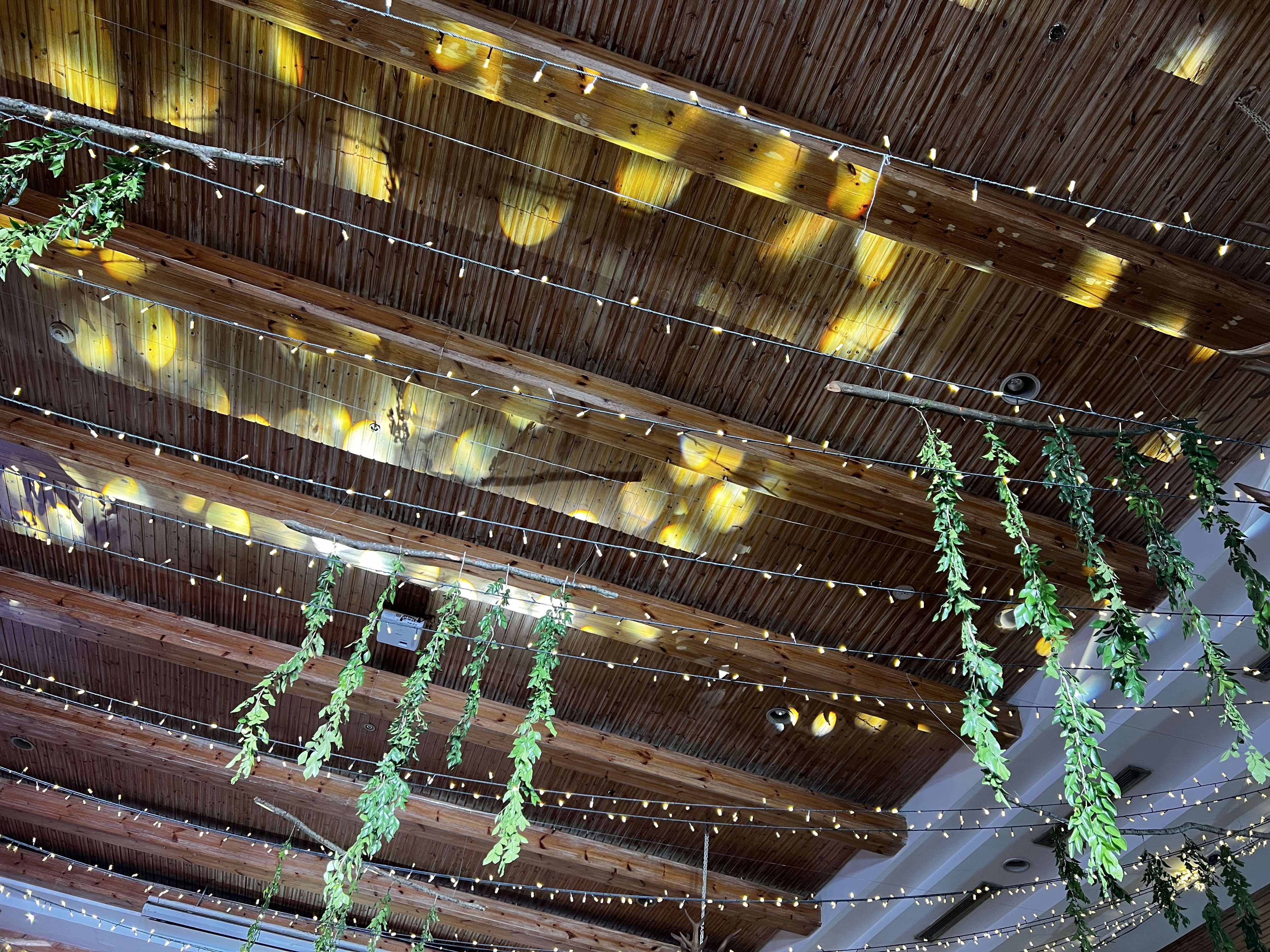
Simple ceiling decor inspired by the drying of native tea leaves in Sagada

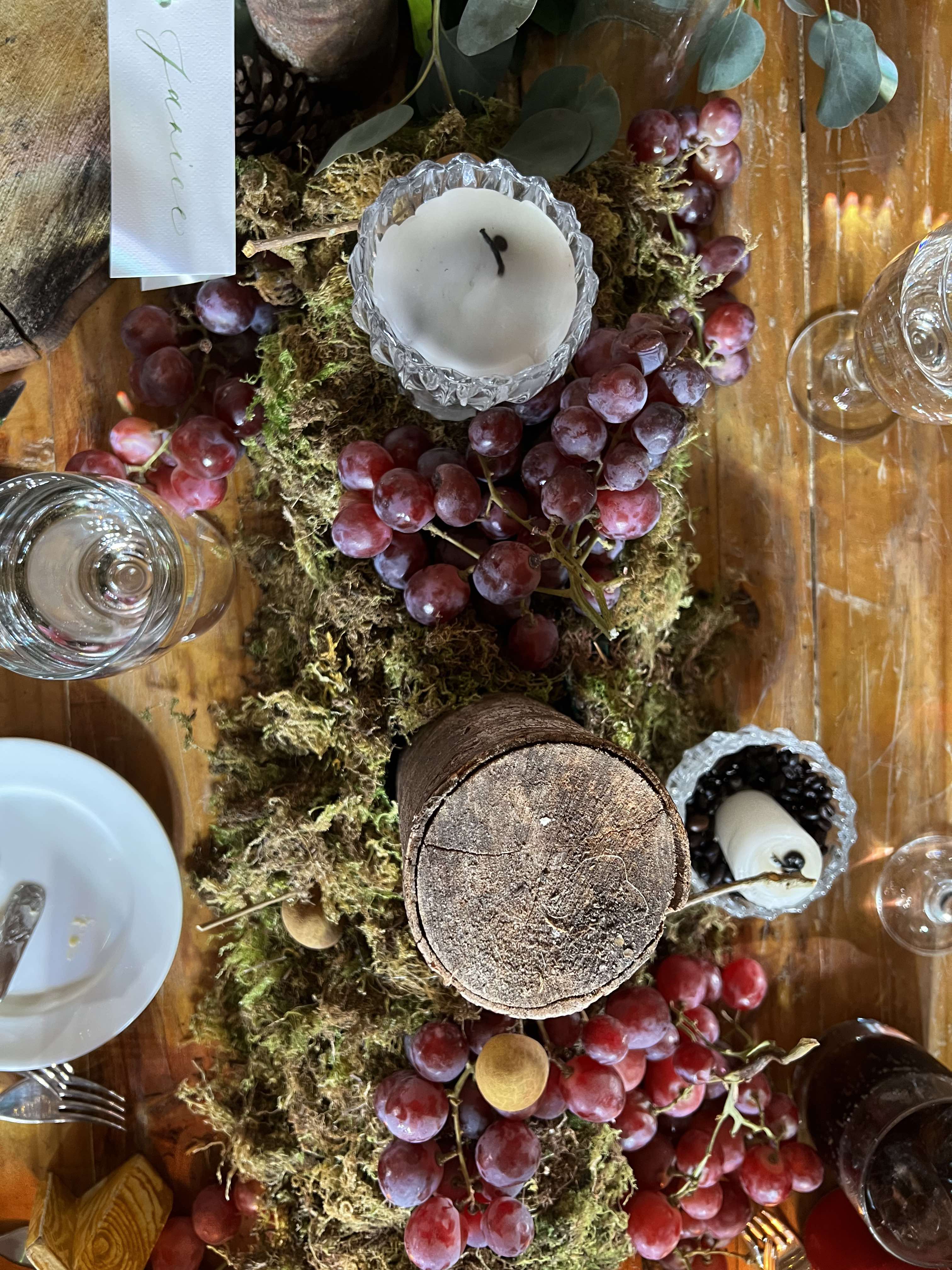
To save on costs and reduce environmental impact, consider using foliage, leaves, grasses, ferns, and even moss instead of imported flowers. These are often locally sourced, lowering their carbon footprint. For our wedding, we chose moss as our table centerpieces—both to minimize waste and highlight our location, Baguio City. Fittingly, Baguio comes from the Ibaloi word "bagiw" which means moss.

Say no to plastics
2.jpeg
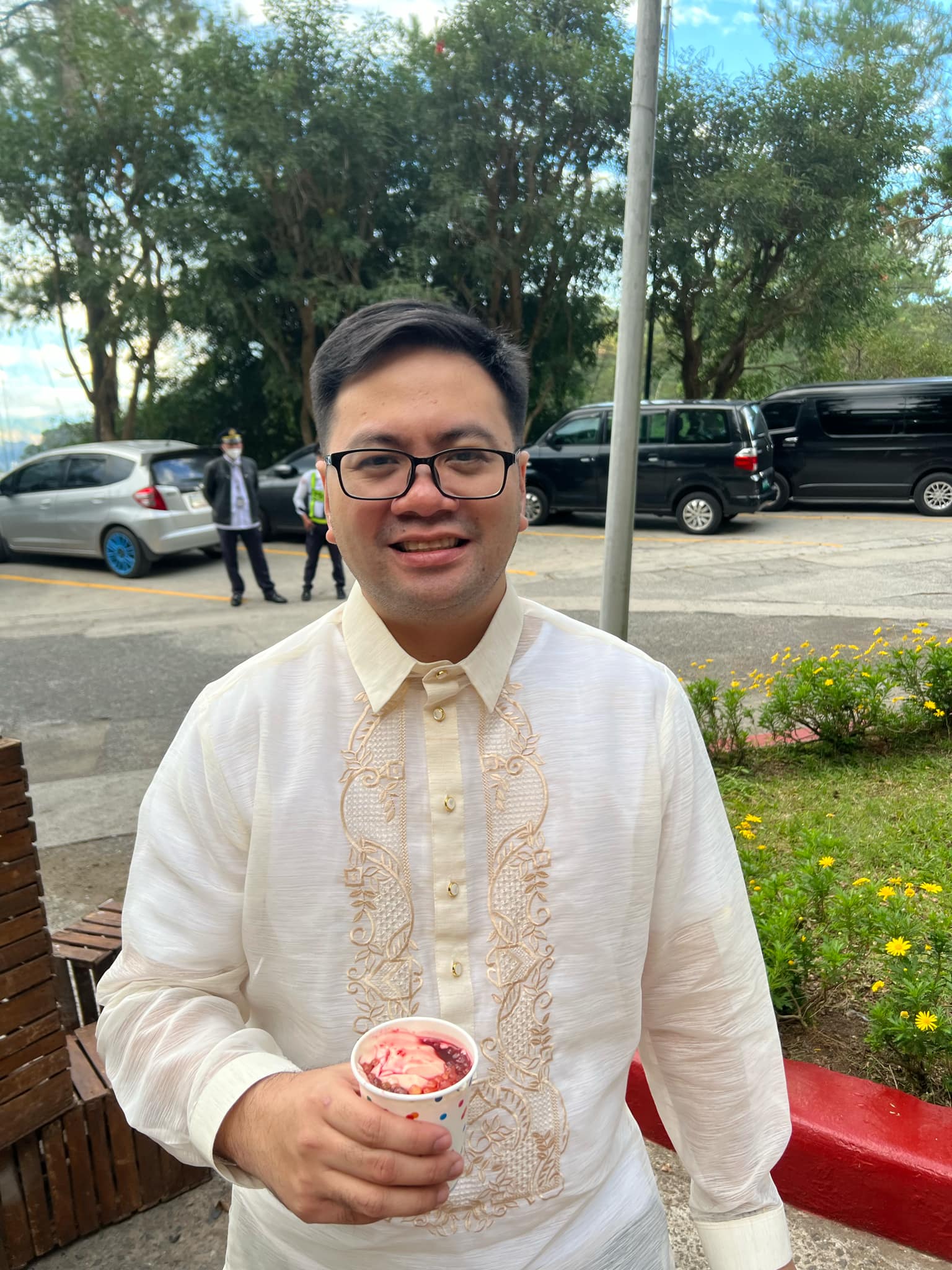
A wedding guest enjoys his strawberry taho in a paper cup.

Require suppliers to swap plastic for paper products—or better yet, opt for reusable glassware and washable utensils for food service. Responsible suppliers will welcome the request, and those unfamiliar with it will learn something new, helping set a precedent for future events.

Offer seasonal, locally sourced food

Support local farmers by sourcing seasonal produce for your event—whether for food, decor, souvenirs, or prizes. For our wedding, we incorporated fresh strawberries from the local market, Benguet coffee beans as tokens, and grapes for table styling. This not only enhanced our celebration’s unique character but also helped sustain local livelihoods.
1.jpg
Table styling with moss, grapes, and coffee beans

Keep it minimal yet elegant

Instead of over-the-top styling, embrace a relaxed, organic aesthetic. Maximize the beauty of your venue by complementing its natural elements rather than covering them up. For our wedding, we used hanging branches as ballroom accents, inspired by how households in Sagada dry native tree leaves. This approach reduces waste and cost while maintaining elegance.

Plan for food waste

Food waste is a major contributor to climate change due to methane emissions from landfills. Since events typically prepare extra food to accommodate guests, having a plan for leftovers is crucial. Coordinate with your caterers to serve surplus food during the afterparty or arrange for guests and staff to take home portions. This small effort significantly reduces waste.

Engage local artists
4.jpg
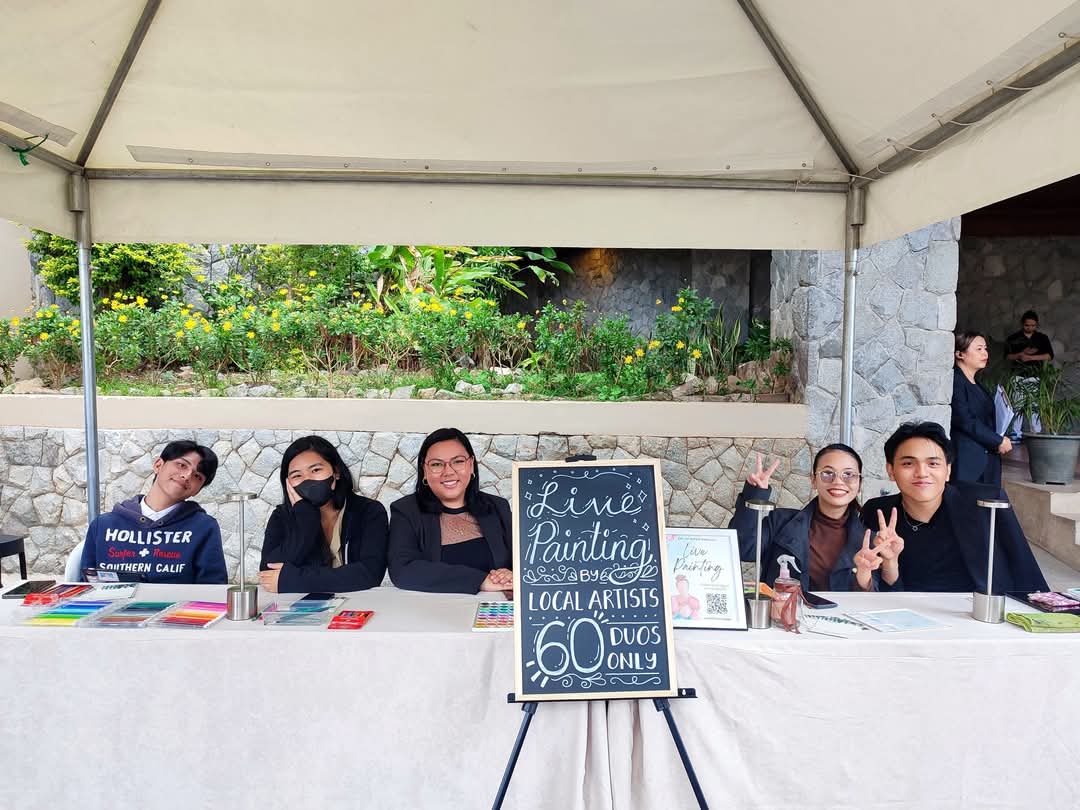
Local artists paint live for unique memorabilia.

Sustainability isn’t just about protecting the environment—it’s also about uplifting local communities. Consider hiring local artists, musicians, and performers to create a unique and immersive experience for your guests. 

As a UNESCO Creative City, Baguio had no shortage of talented individuals. For our wedding, we featured performances by the local band Sugarpaps, Ballet Baguio, Kadwa Drum Beats, and String Serenade. Guests were also captivated by live portrait painting sessions by young artists from Art of Moon Drizzles, adding a personal and artistic touch to the celebration.

Sustainability without sacrificing style

Events don’t have to be wasteful. In fact, prioritizing sustainability often sparks creativity and resourcefulness, making celebrations more unique and meaningful. With mindful choices, you can host a beautiful gathering that leaves lasting memories—without leaving a trail of waste.

Related Tags

MBEnvironment Billie Dumaliang Baguio
ADVERTISEMENT
.most-popular .layout-ratio{ padding-bottom: 79.13%; } @media (min-width: 768px) and (max-width: 1024px) { .widget-title { font-size: 15px !important; } }

{{ articles_filter_1561_widget.title }}

.most-popular .layout-ratio{ padding-bottom: 79.13%; } @media (min-width: 768px) and (max-width: 1024px) { .widget-title { font-size: 15px !important; } }

{{ articles_filter_1562_widget.title }}

.most-popular .layout-ratio{ padding-bottom: 79.13%; } @media (min-width: 768px) and (max-width: 1024px) { .widget-title { font-size: 15px !important; } }

{{ articles_filter_1563_widget.title }}

{{ articles_filter_1564_widget.title }}

.mb-article-details { position: relative; } .mb-article-details .article-body-preview, .mb-article-details .article-body-summary{ font-size: 17px; line-height: 30px; font-family: "Libre Caslon Text", serif; color: #000; } .mb-article-details .article-body-preview iframe , .mb-article-details .article-body-summary iframe{ width: 100%; margin: auto; } .read-more-background { background: linear-gradient(180deg, color(display-p3 1.000 1.000 1.000 / 0) 13.75%, color(display-p3 1.000 1.000 1.000 / 0.8) 30.79%, color(display-p3 1.000 1.000 1.000) 72.5%); position: absolute; height: 200px; width: 100%; bottom: 0; display: flex; justify-content: center; align-items: center; padding: 0; } .read-more-background a{ color: #000; } .read-more-btn { padding: 17px 45px; font-family: Inter; font-weight: 700; font-size: 18px; line-height: 16px; text-align: center; vertical-align: middle; border: 1px solid black; background-color: white; } .hidden { display: none; }
function initializeAllSwipers() { // Get all hidden inputs with cms_article_id document.querySelectorAll('[id^="cms_article_id_"]').forEach(function (input) { const cmsArticleId = input.value; const articleSelector = '#article-' + cmsArticleId + ' .body_images'; const swiperElement = document.querySelector(articleSelector); if (swiperElement && !swiperElement.classList.contains('swiper-initialized')) { new Swiper(articleSelector, { loop: true, pagination: false, navigation: { nextEl: '#article-' + cmsArticleId + ' .swiper-button-next', prevEl: '#article-' + cmsArticleId + ' .swiper-button-prev', }, }); } }); } setTimeout(initializeAllSwipers, 3000); const intersectionObserver = new IntersectionObserver( (entries) => { entries.forEach((entry) => { if (entry.isIntersecting) { const newUrl = entry.target.getAttribute("data-url"); if (newUrl) { history.pushState(null, null, newUrl); let article = entry.target; // Extract metadata const author = article.querySelector('.author-section').textContent.replace('By', '').trim(); const section = article.querySelector('.section-info ').textContent.replace(' ', ' '); const title = article.querySelector('.article-title h1').textContent; // Parse URL for Chartbeat path format const parsedUrl = new URL(newUrl, window.location.origin); const cleanUrl = parsedUrl.host + parsedUrl.pathname; // Update Chartbeat configuration if (typeof window._sf_async_config !== 'undefined') { window._sf_async_config.path = cleanUrl; window._sf_async_config.sections = section; window._sf_async_config.authors = author; } // Track virtual page view with Chartbeat if (typeof pSUPERFLY !== 'undefined' && typeof pSUPERFLY.virtualPage === 'function') { try { pSUPERFLY.virtualPage({ path: cleanUrl, title: title, sections: section, authors: author }); } catch (error) { console.error('ping error', error); } } // Optional: Update document title if (title && title !== document.title) { document.title = title; } } } }); }, { threshold: 0.1 } ); function showArticleBody(button) { const article = button.closest("article"); const summary = article.querySelector(".article-body-summary"); const body = article.querySelector(".article-body-preview"); const readMoreSection = article.querySelector(".read-more-background"); // Hide summary and read-more section summary.style.display = "none"; readMoreSection.style.display = "none"; // Show the full article body body.classList.remove("hidden"); } document.addEventListener("DOMContentLoaded", () => { let loadCount = 0; // Track how many times articles are loaded const offset = [1, 2, 3, 4, 5, 6, 7, 8, 9, 10]; // Offset values const currentUrl = window.location.pathname.substring(1); let isLoading = false; // Prevent multiple calls if (!currentUrl) { console.log("Current URL is invalid."); return; } const sentinel = document.getElementById("load-more-sentinel"); if (!sentinel) { console.log("Sentinel element not found."); return; } function isSentinelVisible() { const rect = sentinel.getBoundingClientRect(); return ( rect.top < window.innerHeight && rect.bottom >= 0 ); } function onScroll() { if (isLoading) return; if (isSentinelVisible()) { if (loadCount >= offset.length) { console.log("Maximum load attempts reached."); window.removeEventListener("scroll", onScroll); return; } isLoading = true; const currentOffset = offset[loadCount]; window.loadMoreItems().then(() => { let article = document.querySelector('#widget_1690 > div:nth-last-of-type(2) article'); intersectionObserver.observe(article) loadCount++; }).catch(error => { console.error("Error loading more items:", error); }).finally(() => { isLoading = false; }); } } window.addEventListener("scroll", onScroll); });

Sign up by email to receive news.