







PH to host 'Terra Madre Asia Pacific' 2025 in Bacolod
By Trixee Rosel


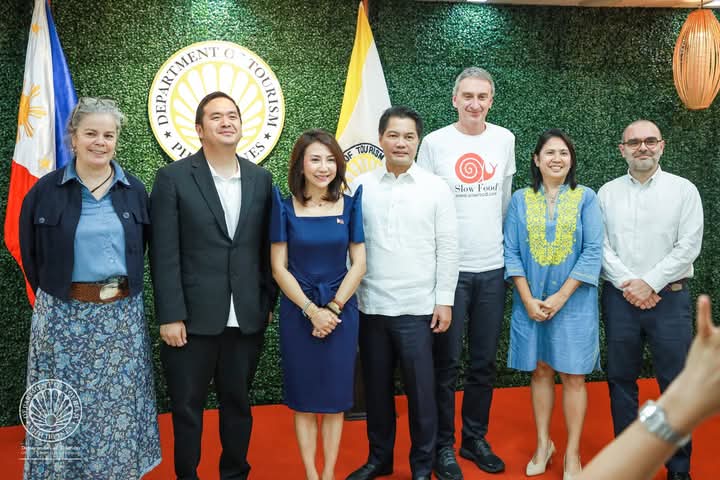
The Philippines is set to host the Terra Madre Asia Pacific 2025, an international food community network conference, with the Department of Tourism (DOT) spearheading efforts to position the country as a premier destination for gastronomy and sustainable food practices.
DOT Secretary Christina Garcia-Frasco, speaking at the Technical Working Group (TWG) meeting at the DOT Central Office in Makati City on Thursday, Feb. 27, underscored the need for a coordinated approach in organizing the international event.
Terra Madre, an initiative of the global Slow Food movement, celebrates traditional food cultures, counters fast-paced consumerism, and strengthens people’s connection to food.
Since its founding in 1989, Slow Food has grown into a worldwide movement in over 160 countries, advocating for food that is good, clean, and fair for all, while emphasizing food’s cultural and environmental impact.
The meeting was attended by representatives from Slow Food International, Department of Agriculture (DA), Department of Trade and Industry (DTI), Technical Education and Skills Development Authority (TESDA), and local officials from Negros Occidental and Bacolod City, which will host the event in November.
The discussions focused on forming an executive committee, defining key responsibilities, and ensuring seamless preparations to showcase the country’s rich culinary heritage, traditional food practices, and commitment to sustainability.
The event builds on the Philippines’ participation in Terra Madre Salone del Gusto 2024 in Turin, Italy, where Bacolod City was named the official Slow Food Hub for Asia and the Pacific, further cementing its role in the global movement for responsible gastronomy.
Frasco reaffirmed that food and gastronomy tourism remain a priority under the National Tourism Development Plan (NTDP) 2023-2028, with the country’s hosting serving as a platform to further elevate Filipino cuisine and its deep cultural roots on the global stage.
“We will really need your full and unequivocal support to advance the Philippines as a gastronomy tourism destination while ensuring sustainability and respect for slow food principles,” Frasco said.
Key stakeholders involved in the preparations include Slow Food International Director General Paolo di Croce, Network Coordinator Elena Aniere, Global South Director Andrea Amato, Councilor for Southeast Asia Ramon Uy Jr., and Slow Food Community of Negros President Reena Gamboa.