







Farmers groups sound alarm on illicit tobacco trade


As smuggled cigarettes continue to flood the country, farmers’ groups have warned that their livelihood is under severe threat due to the surge of illicit tobacco products in the market, coupled with high excise taxes that have made it difficult for local growers to compete.
In a collective statement, the Philippine Tobacco Growers Association (PTGA) expressed deep concerns over the impact of rising excise taxes on tobacco products, which they say have fueled the growth of illicit trade.
The group highlighted how legitimate farmers are suffering due to the influx of smuggled tobacco products that do not use locally grown tobacco leaves.
“Despite our commitment to producing quality crops and goods, we find ourselves struggling under the burden of escalating taxes imposed by the government. These taxes disproportionately affect the more than 40,000 tobacco farmers nationwide because we cannot compete with cheaper illicit products that flood our markets,” the PTGA said.
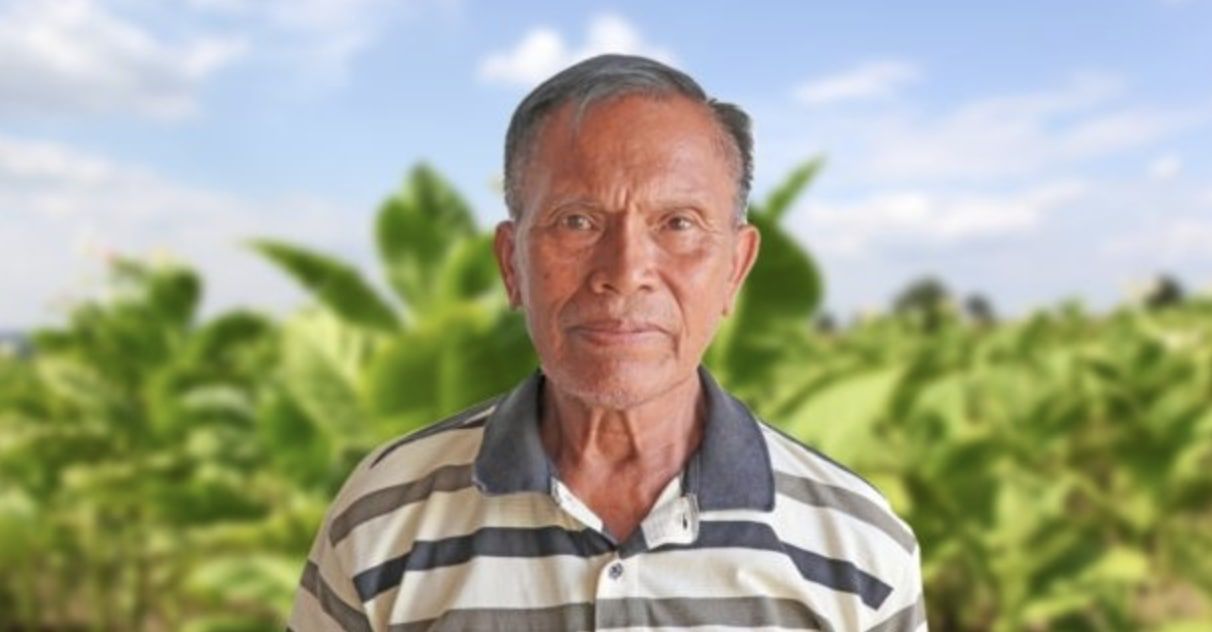
Saturnino Distor, president of Philippine Tobacco Growers Association
PTGA President Saturnino Distor also lamented the decline in demand for locally produced tobacco due to the prevalence of smuggled cigarettes.
“Ito pong mga imported na smuggled na sigarilyo ay hindi gumagamit ng lokal na tabako,” he said.
According to Distor, 80 percent of their sales currently go to the export market, but even this has been affected by the surge of illicit tobacco in the local market.
“Mas maayos pa sana ang kikitain namin kung lehitimo lamang at lokal na sigarilyo ang binebenta sa merkado,” he said, adding that the local market is no longer a reliable source of income for farmers.
“Kailangan na pong bawasan ang advantage ng mga smuggled na yosi kung ikukumpara sa mga local brands natin,” Distor added.
At the 2nd International Tobacco Agricultural Summit hosted by the National Tobacco Administration in January, The Federation of Free Farmers (FFF) called for the inclusion of tobacco farmers in government agencies and decision-making bodies to protect their livelihoods and strengthen anti-smuggling initiatives.
Former Agriculture Secretary and FFF Board Chairman Leonardo Montemayor emphasized that farmers are key stakeholders in solving the problem.
"It is vitally important for real solution-seekers to consider these matters from a ‘worm’s eye view,'" he said, advocating for the early appointment of farmers to the Anti-Agricultural Economic Sabotage Council.
At the same summit, NTA Administrator Belinda Sanchez outlined the severe consequences of illegal tobacco sales on government revenue and national security.
“The continuing proliferation of illegal tobacco sales in the local market is causing a decline in government revenue. This reduction in funds limits the resources available for essential public services, particularly universal health care. Moreover, proceeds from illegal tobacco sales are often linked to organized crimes, further threatening national security,” Sanchez said.
The Bureau of Internal Revenue (BIR) fell P52 billion short of its P185-billion tobacco excise tax target last year, collecting only P134 billion in 2024. This loss impacts the funding of crucial government programs, including health care services that rely on excise tax collections from tobacco products.
Apart from affecting public funds, the illicit tobacco trade also takes a toll on the country’s 2.2 million Filipinos who rely on the tobacco industry for their livelihoods.
Sanchez pointed out that over 430,000 farmers, farm workers, and their families are directly affected by the growing prevalence of smuggled and counterfeit tobacco products.
To address the issue, Sanchez called for a comprehensive and coordinated response.
“There is an urgent need for a multi-faceted approach against illicit trade that includes strengthening national policies, enhancing regional cooperation, improving enforcement mechanisms, and increasing public awareness,” she said.