






 Philippines
National
DepEd reaffirms commitment to improve conditions in geographically isolated schools during CAR visit
Philippines
National
DepEd reaffirms commitment to improve conditions in geographically isolated schools during CAR visit
DepEd reaffirms commitment to improve conditions in geographically isolated schools during CAR visit


The Department of Education (DepEd) on Thursday, Feb. 27, reaffirmed its commitment to improving learning conditions in geographically isolated and disadvantaged areas, aiming to bridge educational gaps through increased resources, infrastructure support, and targeted programs.
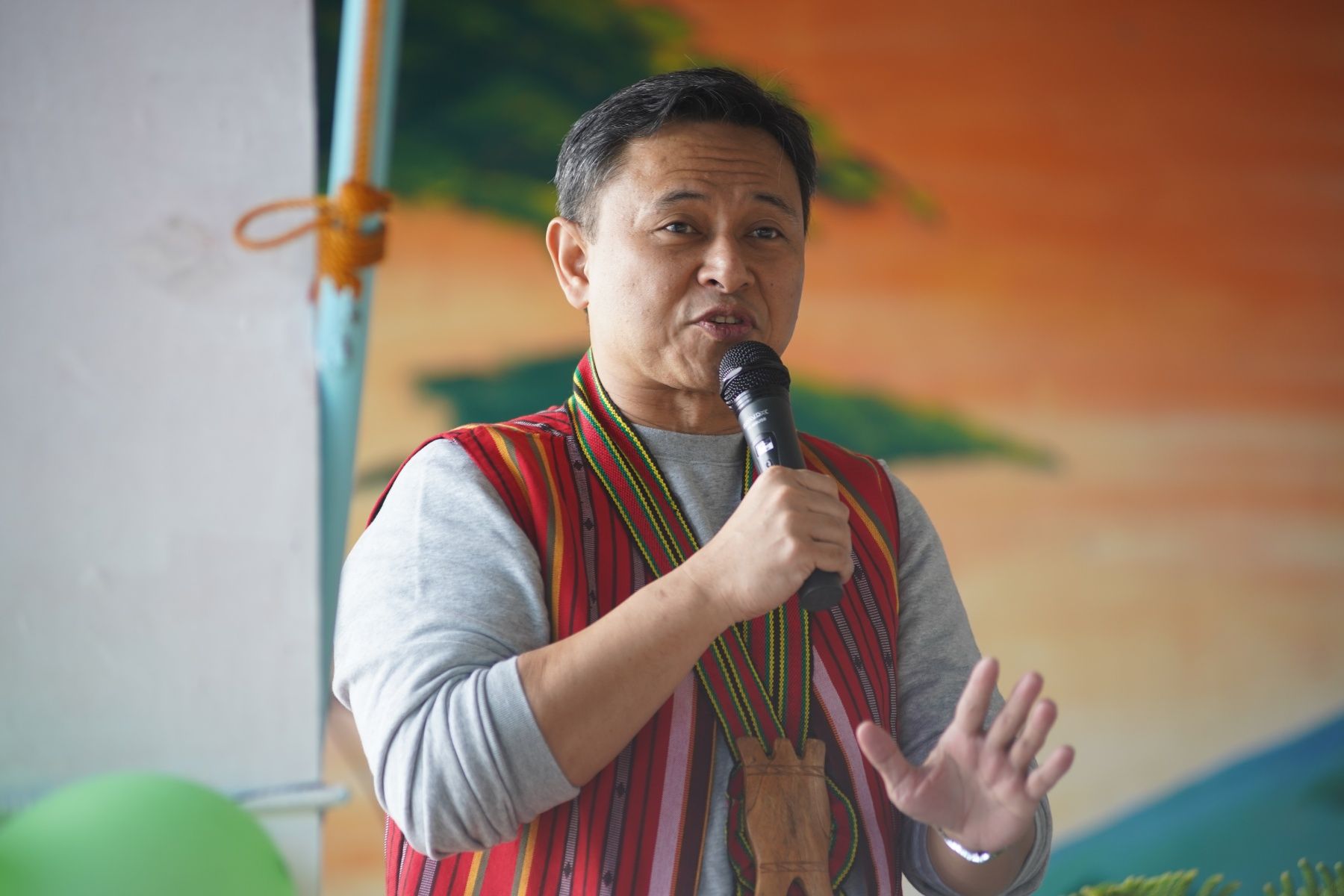
“Last mile doesn’t have to be the last priority,” DepEd Secretary Sonny Angara said as he led a series of school visits in the Cordillera Administrative Region (CAR).
This initiative, DepEd said, seeks to ensure that students in remote communities receive quality education despite logistical and geographic challenges, as President Marcos promised during his State of the Nation Address (SONA).
To advance President Marcos’ equity agenda, Angara and DepEd officials visited four Benguet schools under the Last Mile School (LMS) Program: Jose Gonzales Elementary School, Yabyabuan Multigrade School, Kiwas Integrated School, and Andolor Elementary School.
Angara emphasized that President Marcos prioritizes supporting last-mile schools located in remote areas, such as mountains and islands.
“Our school visits in the Cordillera give us hope, showing that the right interventions can lead to positive outcomes,” Angara said. “Even in the farthest points of our archipelago,” he added.
CAR visit
For the first time, DepEd noted, an Education Secretary visited Yabyabuan Multigrade School in Bagong, Sablan—an isolated school now powered by solar energy—and Andolor Elementary School in Tabaan Sur, Tuba, where teachers and students have long persevered despite limited resources.
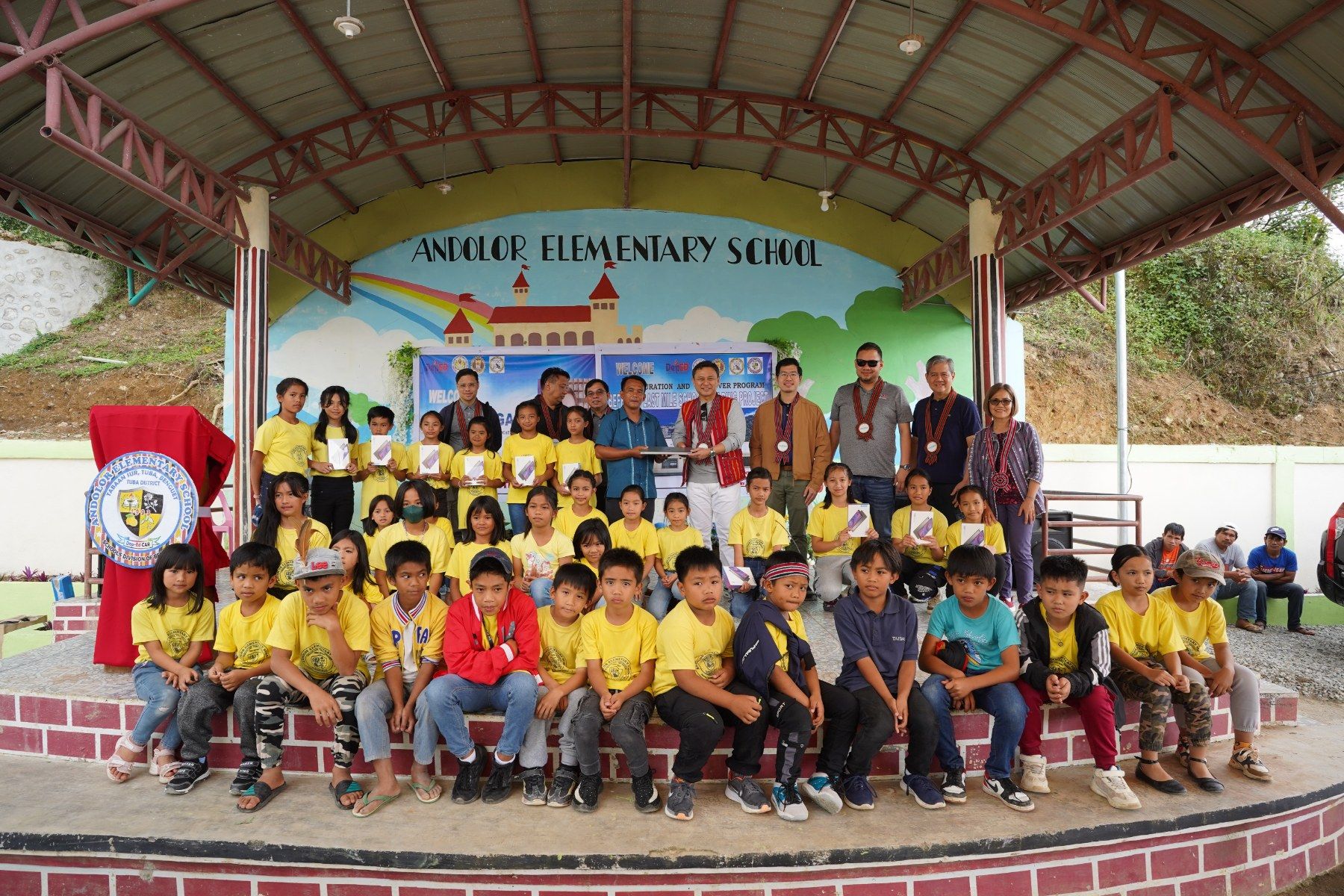
Engaging with teachers and students, Angara listened to their concerns and reaffirmed DepEd’s commitment to improving conditions in geographically isolated schools. At Andolor Elementary School, he led the turnover of a newly constructed building, providing students with improved learning spaces.
Angara also inaugurated a new facility at the Benguet Special Education Center – Inclusive Learning Resource Center (BSPED-ILRC), marking a significant step in strengthening inclusive education in the region.
Visiting regions
Angara shared that visiting different regions every month provides him with genuine insights from teachers, parents, and learners.
During his talk at the Foundation for Economic Freedom fellowship meeting, Angara noted that “a Bagong Pilipinas cannot be built from the top down” but is “shaped in places like Andolor, where dreams persist despite distance, and where commitment is measured not in pesos but in perseverance.”
“We will keep looking at the numbers, but we will never forget the learners, teachers, and parents behind them,” he added.
Meanwhile, Angara also led the DepEd Management Committee (MANCOM) meeting in Baguio, focusing on curriculum improvements, budget planning, and logistical preparations for the upcoming elections.
A key focus of the 7th senior leadership meeting was strengthening data management to guide policy decisions that directly impact schools, especially those in remote areas.
“We have powerful tools for data analysis, but our systems need to work together,” Angara said. “The data we collect at the school, division, and regional levels should all connect seamlessly. The goal is to make our interventions more responsive and effective,” he added.