ADVERTISEMENT

A Cutting-Edge Treatment Bringing Hope and Gentle Healing for Pediatric Cancer Patients

In prayers and through technological advancements in the medical field, there's still a promising future ahead for any child with cancer.

Published Feb 26, 2025 02:12 am
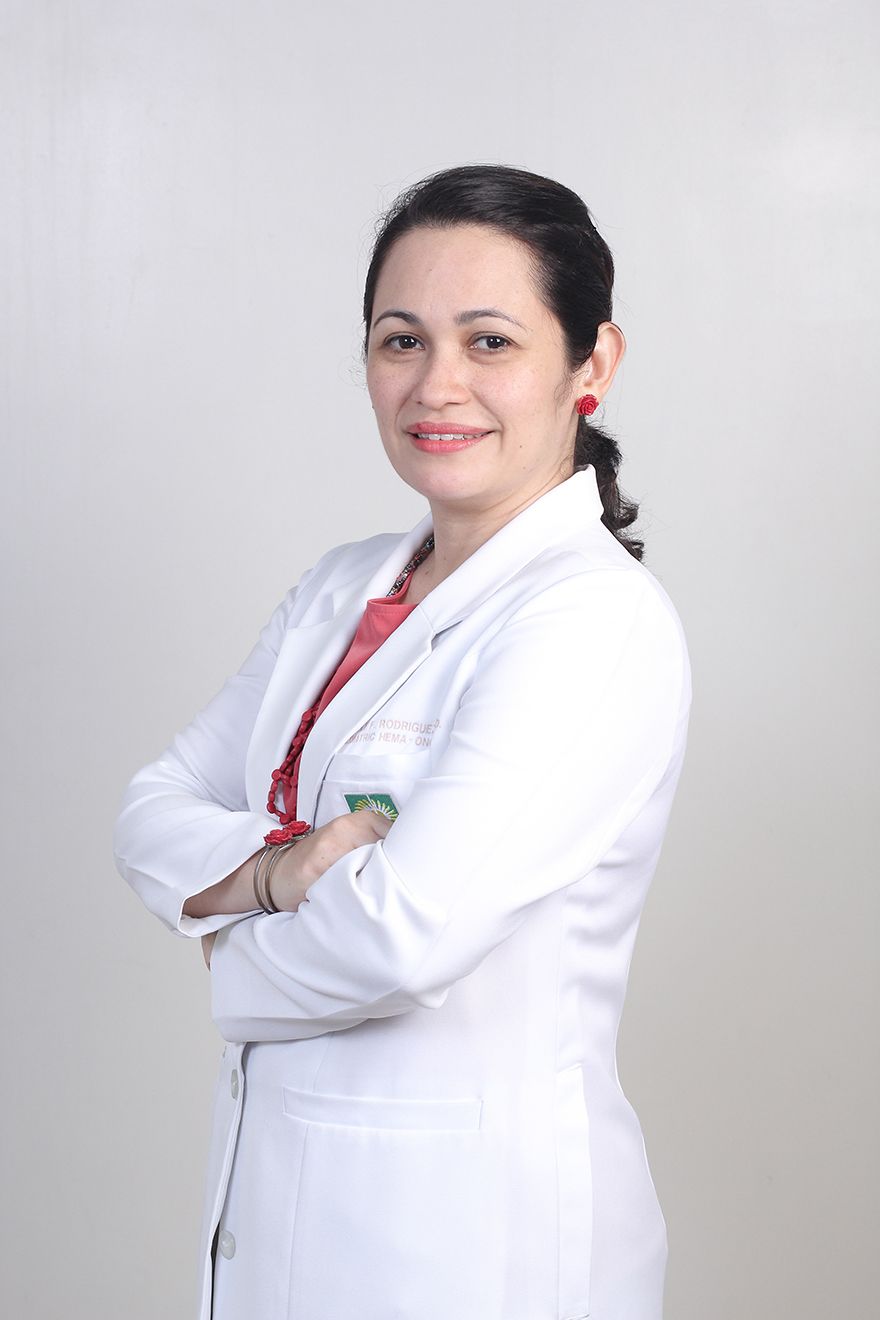
Dr. Michelle Rodriguez.JPG


Dr. Michelle F. Rodriguez

Consultant, Pediatric Hematology 

Oncology Specialist at Asian Cancer Institute | Asian Hospital and Medical Center


When a family is faced with a cancer diagnosis, it is normal to go through a rollercoaster of emotions. And if it’s a child, the pain becomes even more unbearable. Parents may feel fear, anger, guilt, frustration, a deep sense of sadness, regret, and more. Parents feel helpless especially when a child diagnosed with cancer has limited options for treatment & cure. Grief begins to manifests in various forms but because of their deep love and care for their child they continue to hope & pray for answers. In prayers and through technological advancements in the medical field, there’s still a promising future ahead for any child with cancer.


Cutting-Edge Technology to Treat Cancer

A lot of the existing medication and technology aiding us doctors in treating cancer patients, including children, already exist – surgery, chemotherapy, hormonal therapy, targeted therapy, and radiation therapy. Depending on the type of cancer, a combination of these treatments may be advised. This July 2025, the Asian Hospital and Medical Center’s Asian Cancer Institute is welcoming a new ray of sunshine – we will be offering an exclusive cutting-edge, non-invasive alternative or adjunct for treating various cancers with pinpoint precision. 


CyberKnife® is a new technology that delivers focused radiation to tumors in the brain, lung, prostate, spine, liver, pancreas, head and neck, and kidney, in an adult or a child with a tumor that is too difficult to reach or too small to remove. It does not require any incisions, making it pediatric-friendly with very minimal discomfort. The use of anesthesia is often unnecessary and most patients are expected to complete a session without hospital admission.


Even prior to this advancement, children with cancer have already been shown to do well with treatments. Most tolerate the advised regimen, be it chemotherapy or surgery. And with the new CyberKnife technology, we are very confident that there will be more hope for cure and a better future for kids with cancer. This is an added silver lining for cancer patients and their families, looking to heal while enjoying quality of life.  


Sharing the Hope of Healing

While the technology is exclusive to the Asian Hospital and Medical Center, its promise for better outcomes for cancer patients and as doctors dedicated to help the sick with the best of our abilities, it is our obligation to make this technology accessible to others who may need it. Through the H.E.A.L. (Hospital Engagement and Alliance Linkage) network, we collaborate with hospitals, clinics, cancer care centers, dialysis centers, and other healthcare providers to make CyberKnife® within the reach of patients who would greatly benefit from this cutting-edge treatment. 


For patients and their families who wish to know more about this innovative cancer treatment, contact the Infusion Unit of Asian Hospital and Medical Center at 8462 or via email at [email protected]. For healthcare institutions and practitioners looking to partner with us to reach more cancer patients in need of this cutting-edge treatment, you may email [email protected]. Follow our social media pages @AsianHospitalPH for the latest updates.


Related Tags

Asian Hospital and Medical Center Lifestyle Online Health and Wellbeing
ADVERTISEMENT
.most-popular .layout-ratio{ padding-bottom: 79.13%; } @media (min-width: 768px) and (max-width: 1024px) { .widget-title { font-size: 15px !important; } }

{{ articles_filter_1561_widget.title }}

.most-popular .layout-ratio{ padding-bottom: 79.13%; } @media (min-width: 768px) and (max-width: 1024px) { .widget-title { font-size: 15px !important; } }

{{ articles_filter_1562_widget.title }}

.most-popular .layout-ratio{ padding-bottom: 79.13%; } @media (min-width: 768px) and (max-width: 1024px) { .widget-title { font-size: 15px !important; } }

{{ articles_filter_1563_widget.title }}

{{ articles_filter_1564_widget.title }}

.mb-article-details { position: relative; } .mb-article-details .article-body-preview, .mb-article-details .article-body-summary{ font-size: 17px; line-height: 30px; font-family: "Libre Caslon Text", serif; color: #000; } .mb-article-details .article-body-preview iframe , .mb-article-details .article-body-summary iframe{ width: 100%; margin: auto; } .read-more-background { background: linear-gradient(180deg, color(display-p3 1.000 1.000 1.000 / 0) 13.75%, color(display-p3 1.000 1.000 1.000 / 0.8) 30.79%, color(display-p3 1.000 1.000 1.000) 72.5%); position: absolute; height: 200px; width: 100%; bottom: 0; display: flex; justify-content: center; align-items: center; padding: 0; } .read-more-background a{ color: #000; } .read-more-btn { padding: 17px 45px; font-family: Inter; font-weight: 700; font-size: 18px; line-height: 16px; text-align: center; vertical-align: middle; border: 1px solid black; background-color: white; } .hidden { display: none; }
function initializeAllSwipers() { // Get all hidden inputs with cms_article_id document.querySelectorAll('[id^="cms_article_id_"]').forEach(function (input) { const cmsArticleId = input.value; const articleSelector = '#article-' + cmsArticleId + ' .body_images'; const swiperElement = document.querySelector(articleSelector); if (swiperElement && !swiperElement.classList.contains('swiper-initialized')) { new Swiper(articleSelector, { loop: true, pagination: false, navigation: { nextEl: '#article-' + cmsArticleId + ' .swiper-button-next', prevEl: '#article-' + cmsArticleId + ' .swiper-button-prev', }, }); } }); } setTimeout(initializeAllSwipers, 3000); const intersectionObserver = new IntersectionObserver( (entries) => { entries.forEach((entry) => { if (entry.isIntersecting) { const newUrl = entry.target.getAttribute("data-url"); if (newUrl) { history.pushState(null, null, newUrl); let article = entry.target; // Extract metadata const author = article.querySelector('.author-section').textContent.replace('By', '').trim(); const section = article.querySelector('.section-info ').textContent.replace(' ', ' '); const title = article.querySelector('.article-title h1').textContent; // Parse URL for Chartbeat path format const parsedUrl = new URL(newUrl, window.location.origin); const cleanUrl = parsedUrl.host + parsedUrl.pathname; // Update Chartbeat configuration if (typeof window._sf_async_config !== 'undefined') { window._sf_async_config.path = cleanUrl; window._sf_async_config.sections = section; window._sf_async_config.authors = author; } // Track virtual page view with Chartbeat if (typeof pSUPERFLY !== 'undefined' && typeof pSUPERFLY.virtualPage === 'function') { try { pSUPERFLY.virtualPage({ path: cleanUrl, title: title, sections: section, authors: author }); } catch (error) { console.error('ping error', error); } } // Optional: Update document title if (title && title !== document.title) { document.title = title; } } } }); }, { threshold: 0.1 } ); function showArticleBody(button) { const article = button.closest("article"); const summary = article.querySelector(".article-body-summary"); const body = article.querySelector(".article-body-preview"); const readMoreSection = article.querySelector(".read-more-background"); // Hide summary and read-more section summary.style.display = "none"; readMoreSection.style.display = "none"; // Show the full article body body.classList.remove("hidden"); } document.addEventListener("DOMContentLoaded", () => { let loadCount = 0; // Track how many times articles are loaded const offset = [1, 2, 3, 4, 5, 6, 7, 8, 9, 10]; // Offset values const currentUrl = window.location.pathname.substring(1); let isLoading = false; // Prevent multiple calls if (!currentUrl) { console.log("Current URL is invalid."); return; } const sentinel = document.getElementById("load-more-sentinel"); if (!sentinel) { console.log("Sentinel element not found."); return; } function isSentinelVisible() { const rect = sentinel.getBoundingClientRect(); return ( rect.top < window.innerHeight && rect.bottom >= 0 ); } function onScroll() { if (isLoading) return; if (isSentinelVisible()) { if (loadCount >= offset.length) { console.log("Maximum load attempts reached."); window.removeEventListener("scroll", onScroll); return; } isLoading = true; const currentOffset = offset[loadCount]; window.loadMoreItems().then(() => { let article = document.querySelector('#widget_1690 > div:nth-last-of-type(2) article'); intersectionObserver.observe(article) loadCount++; }).catch(error => { console.error("Error loading more items:", error); }).finally(() => { isLoading = false; }); } } window.addEventListener("scroll", onScroll); });

Sign up by email to receive news.