






 Philippines
National
Regional cooperation key to combating ASEAN's growing illicit tobacco trade
Philippines
National
Regional cooperation key to combating ASEAN's growing illicit tobacco trade
Regional cooperation key to combating ASEAN's growing illicit tobacco trade


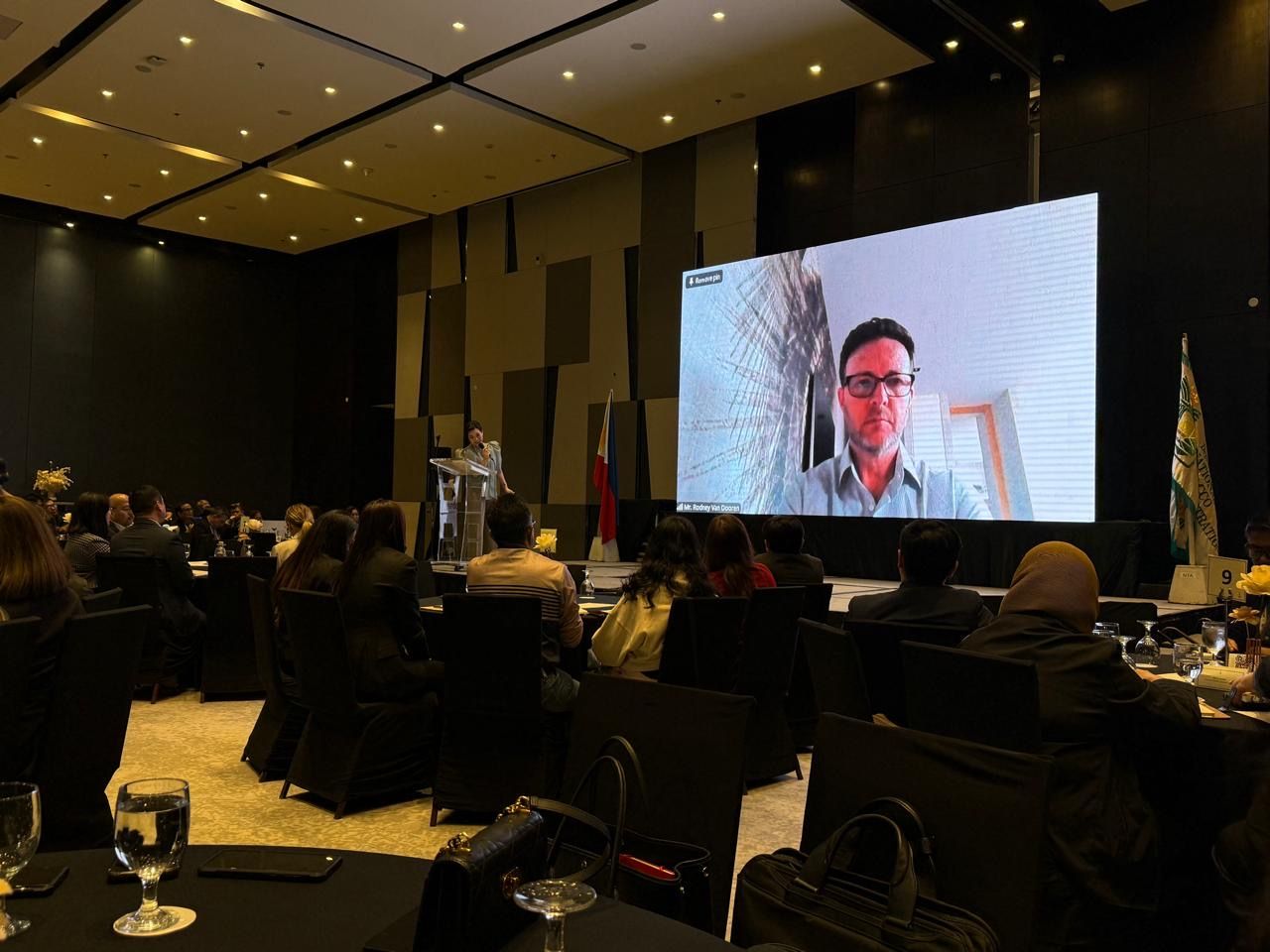
International experts speaking at the National Tobacco Administration’s (NTA) Second International Tobacco Summit said a regional and holistic approach is crucial to tackling the growing crisis of illicit tobacco trade as it remains a pressing issue across ASEAN that undermines public health, fuels organized crime and costs the government billions in lost revenue.
Rodney Van Dooren, Regional Illicit Trade Expert of Philip Morris International (PMI), highlighted the cross-border nature of the illicit tobacco trade and the importance of cooperation between ASEAN nations to combat it effectively.
"Local law enforcement in the Philippines is making great strides in shutting down illicit tobacco operations, but this needs constant attention as new threats are always emerging. What I want to emphasize today is that according to trade data and news articles in the Philippines, most non-compliant cigarettes in the Philippines originate from ASEAN countries and India, and from China for non-compliant e-cigarettes,” Van Dooren stated.
Van Dooren outlined key recommendations to curb illicit tobacco trade, including compliance with destination market regulations, harmonization of transit country regulations, leveraging international trade agreements, and expanding cooperation beyond customs authorities.
"An export without a corresponding import should trigger international cooperation," he stressed, calling on ASEAN nations to adopt a shared responsibility framework. He also emphasized the need to leverage existing platforms like the World Customs Organization (WCO) and World Trade Organization (WTO) to facilitate enforcement efforts.
The Philippines, Van Dooren noted, has implemented several measures to address the issue, including a BIR whitelist of approved manufacturers, importers, exporters, and brands to enhance enforcement; a temporary ban on online sales of e-cigarettes to curb unregulated trade; and amendments to the Anti-Agri Smuggling Bill to include tobacco products.
Despite these efforts, illicit trade persists due to high demand and significant price gaps between legal and illegal tobacco products.
Van Dooren said, "It’s really about supply and demand—once there is demand, there’ll be supply."
Australian Security Expert Rohan Pike, who has studied illicit tobacco markets globally, reinforced this view. In a May 2024 interview with ABC News, He pointed out that Australia’s high tobacco prices had fueled a black market dominated by organized crime groups.
“The number one driver of the problem is the enormous price of tobacco,” Pike said, noting that even law-abiding citizens turned to illicit products once prices reached extreme levels.
Also speaking at the Tobacco Summit, Pike emphasized that government action must not rely on seizures alone to solve the illicit trade problem, stating, "Simply seizing tobacco and illicit products is not nearly enough. Seizures have no relevance whatsoever in stopping an illicit market."
NTA Administrator Belinda Sanchez stressed the need for a holistic approach to tackling illicit trade.
"The increasing illicit trade in tobacco is a growing concern, undermining our efforts and threatening the livelihoods of countless individuals. We need a holistic approach to tackle this problem, one that addresses not just the symptoms but also the root causes. A multifaceted approach that combines regulation, education, and community engagement," she stated.
The NTA noted that the illicit trade adversely impacts the livelihoods of 2.2 million Filipinos, including over 430,000 farmers and farm workers who depend on the industry.