







A life of service and sacrifice: Honoring James Leonard Tagle Gordon Sr.


By Richard J. Gordon
Today is the 58th death anniversary of my father James Leonard Tagle Gordon Sr. To me, it doesn’t feel that distant—he remains with me, always. Words like “Sana” (what could have been) or “Sayang” (what a waste) were never part of his vocabulary.
Born to an American father, John Jacob Gordon, and a Filipino mother, Veronica Tagle, my father descended from a legacy of leadership. His maternal grandfather, Col Jose Tagle, was the first Filipino leader to secure victory against Spain at the Battle of Imus on 2 September 1896. While his brothers chose American citizenship, my father chose to remain Filipino, embracing the responsibilities and challenges that came with it.
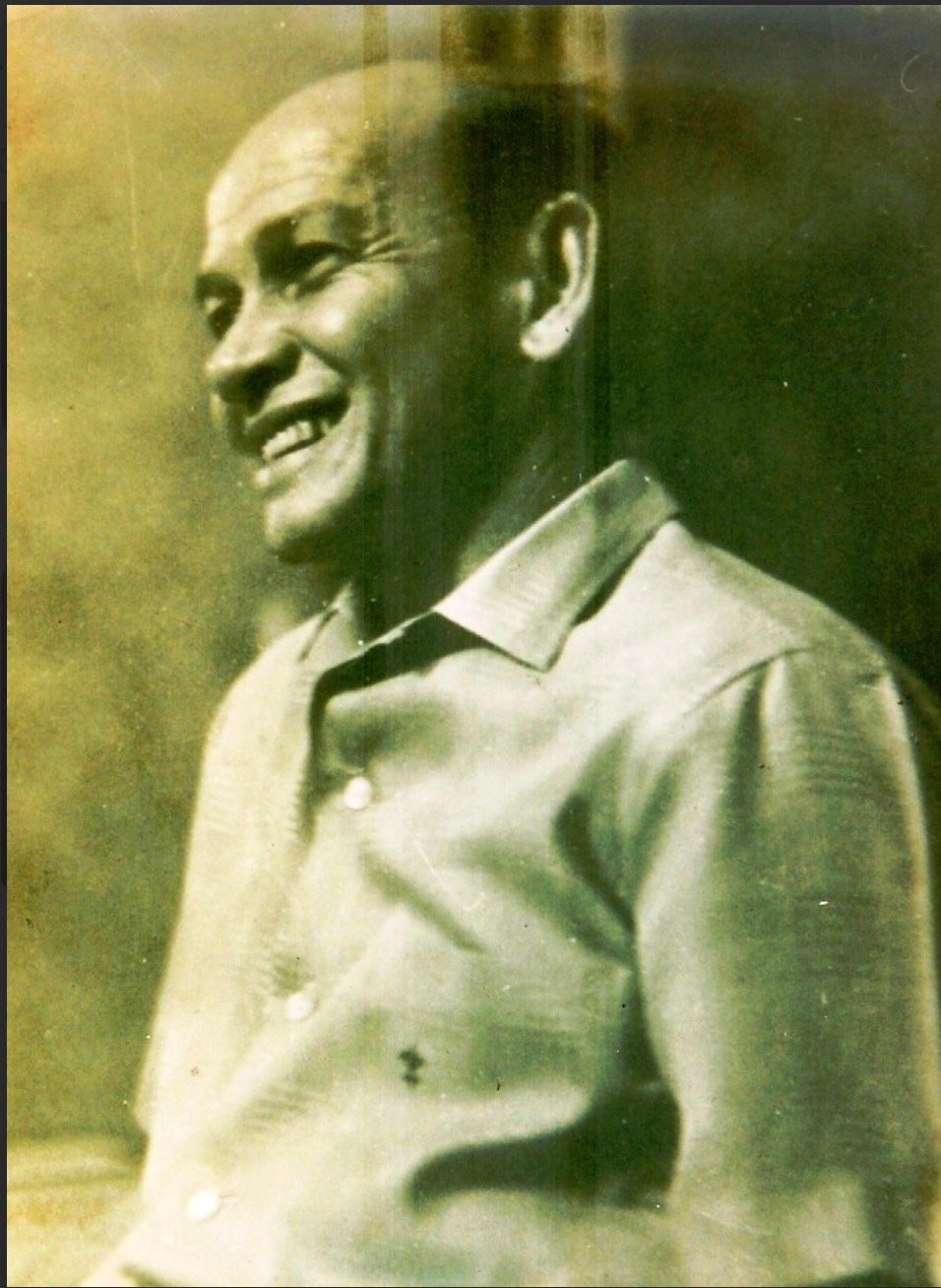
During World War II, despite raising a young family with my mother, Amelia, and their two children, he never hesitated to fight for his country. As a lieutenant of the Filipino guerillas, he bravely resisted the invaders and was posthumously awarded the U.S. Congressional Gold Medal of Valor in August 2019 for his wartime service.
Though my parents didn’t have college educations, they persevered. The war took their home and my grandfather’s business, but my father and mother rebuilt tirelessly. They started a cinema, five restaurants, a supermarket, a piggery, and other ventures, ensuring that all their children could complete their education.
My father was never a bystander. He became a pivotal leader in Olongapo during its American-administered years. Olongapo was the last municipality to achieve independence from American control in 1959. However, instead of allowing elections, municipal officials were appointed, leading to a lot of corruption and crime. My father fought against this and, in 1963, became the first elected mayor of Olongapo.
In 1966, he successfully lobbied for Olongapo to be declared a city. He likewise managed to quell crimes such as illegal logging and the smuggling of contrabands from the military base, cigarettes, and contraband from the military base. He launched a campaign against corrupt members of the Phil Constabulary and the police and filed cases.
His courage came at great personal cost. Powerful enemies politically and personally harassed him. He survived multiple assassination attempts: a grenade attack on 4 July 1965, another grenade attack during a fire on 4 August 1966, and an arson attack on our home in Quezon City on 1 November 1966. Despite the risks, he remained steadfast.
Tragically, on 20 February 1967, at the age of 50, he was finally assassinated. He never saw his grandchildren. He was shot from behind in the lobby of Olongapo City Hall—a victim of treachery. He was shot by an escaped inmate of the National Penitentiary. This detail reveals a dark truth about politics in our country: detained and escaped prisoners were being used as assassins, providing a convenient alibi for those who mastermind the crimes. The people behind his death were never brought to justice, despite my lifelong appeals to the Department of Justice.
I left my lucrative job at P&G, became a lawyer after his death, and started a lifelong campaign against injustice. His death became the driving force behind my advocacy and fight against crime, corruption, and injustice.
Some might say, “Sana or Sayang, he could have stayed an American citizen,” avoiding the struggles and risks of being a guerilla, an anti-corruption activist, or a defender of the people. But my father’s choice to remain Filipino defined his legacy—a legacy of courage, sacrifice, and dedication to our nation.