ADVERTISEMENT

Pino Perspectives: Key design trends in Filipino architecture design for 2025

Published Feb 17, 2025 05:24 am
Strapi Format (20)-min.jpg

AI in architecture practice 
The integration of artificial intelligence in architecture practice is quickly revolutionizing the industry, streamlining workflows, enhancing design innovation, and improving decision-making processes. It is now being used in every step of the design process.  

There is a concern that this technology might diminish the role of designers in society, but AI is not a substitute for architects. In the architectural process, significant time is often spent on non-value-added tasks like data gathering and repetitive CAD modeling. Filipino architecture firms often dedicate a big chunk of their team to these non-value-added tasks which makes us highly inefficient.  
 

AI can streamline these processes, allowing architects to dedicate more time to the design phase—a creative and complex aspect that is far more challenging for AI to replicate. 
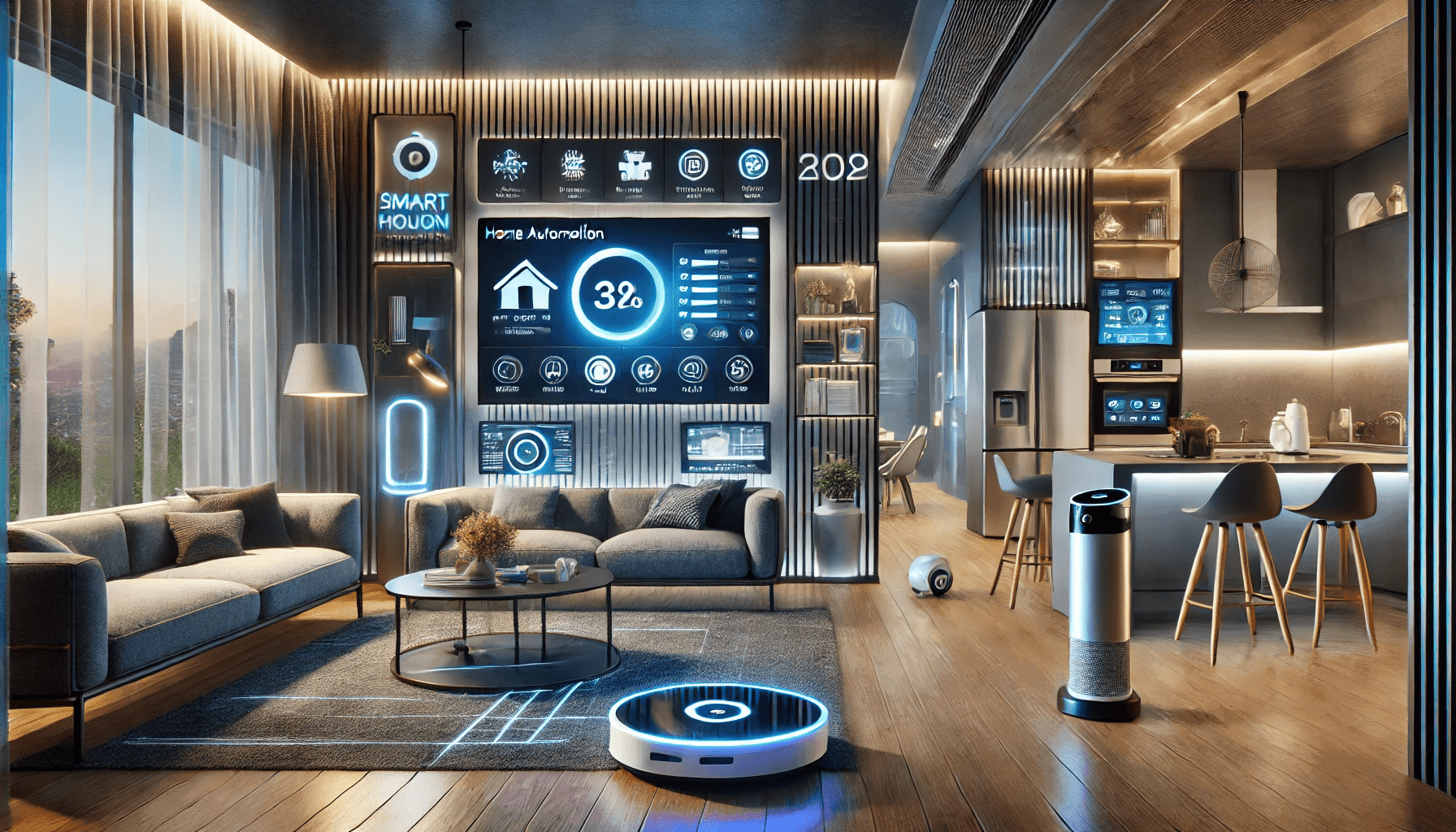
image (1)-min.png

At our practice in PINO Places, we already use AI for the following: 
- Analytics (Site Analysis and Crowd Simulations) 
- Design automation and optimization (e.g. Parametric and Generative Design) - Enhance Visualization (AI-enhanced rendering) 
- Streamlining Construction Process (BIM, Material Management, and Robotics) Integration of Smart 

Home technology 
The adoption of smart home technologies is on the rise. Filipino homeowners are incorporating  Internet of Things (IoT) devices for automated lighting, temperature control, and security systems. This integration offers convenience and improved energy efficiency, aligning with the global move towards smarter living spaces. 

According to MarkNtel Advisors, the Philippine smart home market size is valued at around $250 million in 2024 and is projected to reach $350 million by 2030.  

It is easier to integrate smart home technology during construction rather than a renovation. Therefore, architects play a very big role in integrating these new technologies from the initial design process. Architects can make use of smart home technology to improve sustainability by automating both passive and mechanical systems to achieve optimum efficiency. For example, curtains can automatically shut themselves when the external temperature gets too hot which makes it easier for the house to cool itself.  
Strapi Format (11).jpg

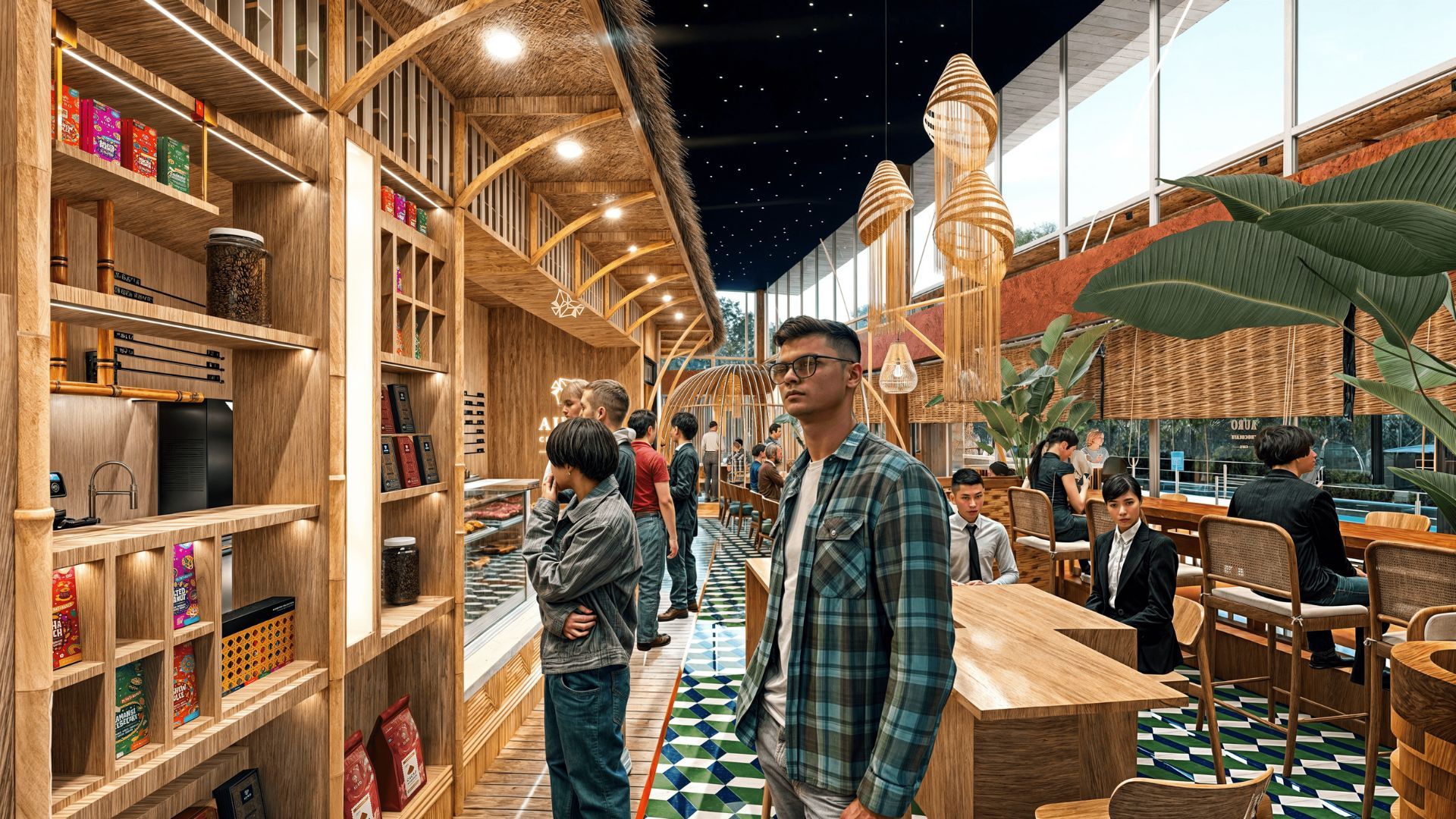
The future of smart homes in the Philippines is promising, with expectations of continued growth and innovation. As technology advances and costs decrease, more homeowners are likely to adopt these sustainable solutions, contributing to a cleaner, more efficient energy future. 

Adaptive reuse and flexible spaces 
The exit of Philippine Offshore Gaming Operators (POGOs) is having a rather significant impact on the real estate industry in the Philippines with increased vacancy rates, pressure on rental yields, and overall economic adjustments. Similar to the impact of the pandemic, spaces need to now be designed with adaptive reuse and flexibility in mind.  

Buildings must now be designed in a way that their function can easily adapt. Architects can employ  several techniques to make this achievable: 
- Structure to accommodate a wide variety of loads 
- Lightweight partition walls 
- Raised flooring to make utilities easy to change 
- Higher ceilings 
- More natural light 

For empty buildings, they can be repurposed into mixed-use spaces, such as co-living hubs and cultural centers. This approach maximizes space utilization and reduces the need for new construction, contributing to sustainability efforts. 

Related Tags

Pino Places MBPropertyLiving
ADVERTISEMENT
.most-popular .layout-ratio{ padding-bottom: 79.13%; } @media (min-width: 768px) and (max-width: 1024px) { .widget-title { font-size: 15px !important; } }

{{ articles_filter_1561_widget.title }}

.most-popular .layout-ratio{ padding-bottom: 79.13%; } @media (min-width: 768px) and (max-width: 1024px) { .widget-title { font-size: 15px !important; } }

{{ articles_filter_1562_widget.title }}

.most-popular .layout-ratio{ padding-bottom: 79.13%; } @media (min-width: 768px) and (max-width: 1024px) { .widget-title { font-size: 15px !important; } }

{{ articles_filter_1563_widget.title }}

{{ articles_filter_1564_widget.title }}

.mb-article-details { position: relative; } .mb-article-details .article-body-preview, .mb-article-details .article-body-summary{ font-size: 17px; line-height: 30px; font-family: "Libre Caslon Text", serif; color: #000; } .mb-article-details .article-body-preview iframe , .mb-article-details .article-body-summary iframe{ width: 100%; margin: auto; } .read-more-background { background: linear-gradient(180deg, color(display-p3 1.000 1.000 1.000 / 0) 13.75%, color(display-p3 1.000 1.000 1.000 / 0.8) 30.79%, color(display-p3 1.000 1.000 1.000) 72.5%); position: absolute; height: 200px; width: 100%; bottom: 0; display: flex; justify-content: center; align-items: center; padding: 0; } .read-more-background a{ color: #000; } .read-more-btn { padding: 17px 45px; font-family: Inter; font-weight: 700; font-size: 18px; line-height: 16px; text-align: center; vertical-align: middle; border: 1px solid black; background-color: white; } .hidden { display: none; }
function initializeAllSwipers() { // Get all hidden inputs with cms_article_id document.querySelectorAll('[id^="cms_article_id_"]').forEach(function (input) { const cmsArticleId = input.value; const articleSelector = '#article-' + cmsArticleId + ' .body_images'; const swiperElement = document.querySelector(articleSelector); if (swiperElement && !swiperElement.classList.contains('swiper-initialized')) { new Swiper(articleSelector, { loop: true, pagination: false, navigation: { nextEl: '#article-' + cmsArticleId + ' .swiper-button-next', prevEl: '#article-' + cmsArticleId + ' .swiper-button-prev', }, }); } }); } setTimeout(initializeAllSwipers, 3000); const intersectionObserver = new IntersectionObserver( (entries) => { entries.forEach((entry) => { if (entry.isIntersecting) { const newUrl = entry.target.getAttribute("data-url"); if (newUrl) { history.pushState(null, null, newUrl); let article = entry.target; // Extract metadata const author = article.querySelector('.author-section').textContent.replace('By', '').trim(); const section = article.querySelector('.section-info ').textContent.replace(' ', ' '); const title = article.querySelector('.article-title h1').textContent; // Parse URL for Chartbeat path format const parsedUrl = new URL(newUrl, window.location.origin); const cleanUrl = parsedUrl.host + parsedUrl.pathname; // Update Chartbeat configuration if (typeof window._sf_async_config !== 'undefined') { window._sf_async_config.path = cleanUrl; window._sf_async_config.sections = section; window._sf_async_config.authors = author; } // Track virtual page view with Chartbeat if (typeof pSUPERFLY !== 'undefined' && typeof pSUPERFLY.virtualPage === 'function') { try { pSUPERFLY.virtualPage({ path: cleanUrl, title: title, sections: section, authors: author }); } catch (error) { console.error('ping error', error); } } // Optional: Update document title if (title && title !== document.title) { document.title = title; } } } }); }, { threshold: 0.1 } ); function showArticleBody(button) { const article = button.closest("article"); const summary = article.querySelector(".article-body-summary"); const body = article.querySelector(".article-body-preview"); const readMoreSection = article.querySelector(".read-more-background"); // Hide summary and read-more section summary.style.display = "none"; readMoreSection.style.display = "none"; // Show the full article body body.classList.remove("hidden"); } document.addEventListener("DOMContentLoaded", () => { let loadCount = 0; // Track how many times articles are loaded const offset = [1, 2, 3, 4, 5, 6, 7, 8, 9, 10]; // Offset values const currentUrl = window.location.pathname.substring(1); let isLoading = false; // Prevent multiple calls if (!currentUrl) { console.log("Current URL is invalid."); return; } const sentinel = document.getElementById("load-more-sentinel"); if (!sentinel) { console.log("Sentinel element not found."); return; } function isSentinelVisible() { const rect = sentinel.getBoundingClientRect(); return ( rect.top < window.innerHeight && rect.bottom >= 0 ); } function onScroll() { if (isLoading) return; if (isSentinelVisible()) { if (loadCount >= offset.length) { console.log("Maximum load attempts reached."); window.removeEventListener("scroll", onScroll); return; } isLoading = true; const currentOffset = offset[loadCount]; window.loadMoreItems().then(() => { let article = document.querySelector('#widget_1690 > div:nth-last-of-type(2) article'); intersectionObserver.observe(article) loadCount++; }).catch(error => { console.error("Error loading more items:", error); }).finally(() => { isLoading = false; }); } } window.addEventListener("scroll", onScroll); });

Sign up by email to receive news.