







Fueling economic growth through entrepreneurship and microfinance


FROM THE MARGINS
The Philippine economy stands at a crossroads. In 2024, the gross domestic product (GDP) grew by 5.6 percent, falling short of the government’s target of 6-6.5 percent. According to National Economic and Development Authority Undersecretary Rosemarie Edillon, this shortfall was largely due to back-to-back typhoons last year, which severely impacted agriculture and infrastructure. Finance Secretary Ralph Recto also cited extreme weather events, geopolitical tensions, and subdued global demand as contributing factors. Meanwhile, the joblessness rate improved slightly to 3.1 percent in December. However, underemployment remains stubbornly high at 10.9 percent, reflecting the ongoing struggle of many Filipinos to find additional work or better job opportunities.
Amid these challenges, one crucial economic force remains underappreciated—micro, small, and medium enterprises (MSMEs). They account for over 99 percent of all registered enterprises according to the Department of Trade and Industry, employing millions of Filipinos and significantly contributing to GDP.
Operating across various industries, including agriculture, retail, manufacturing, and services, MSMEs address underemployment by offering jobs that align with local workforce skills. Driven by the ingenuity and resilience of Filipino entrepreneurs, these enterprises serve as engines of job creation, poverty alleviation, and economic development. And at the heart of their survival and expansion lies a powerful yet underutilized tool: microfinance.
Entrepreneurship
Entrepreneurship is a key driver of economic development. Entrepreneurs create jobs, introduce innovative products and services, enhance competitiveness and foster economic resilience. During economic downturns, MSMEs can swiftly adapt to changing market conditions, providing alternative sources of income and economic activity, helping communities recover from financial hardships. This adaptability was evident during the Covid-19 pandemic, when many microentrepreneurs pivoted to online businesses, food delivery services, and other innovative ventures to sustain their livelihoods.
Household spending, which grew by 4.7 percent in 2024, benefitted MSMEs directly. However, a sharp decline in investment — from 13.7 percent in Q3 to 4.1 percent in Q4 — suggests that businesses are becoming more cautious, likely due to rising borrowing costs and global uncertainty. Providing microentrepreneurs with financial incentives and easier access to credit can counteract this trend, encouraging business expansion and job creation. Unfortunately, our MSMEs operate in an environment that is not always supportive, facing high interest rates, excessive bureaucratic hurdles, and lack of business training that limits their ability to access capital and scale up.
Microfinance
For years, policymakers have focused on large-scale infrastructure projects and foreign investment as primary economic drivers. While these are important, the reality is that millions of Filipinos rely on microenterprises for their livelihoods. Many of these businesses struggle with a fundamental problem—access to capital. Traditional banks often require collateral, extensive documentation, and a strong credit history, making loans inaccessible for small entrepreneurs.
Microfinance institutions (MFIs) provide an alternative. By offering small loans with minimal requirements, MFIs empower microentrepreneurs to start or expand their businesses, thereby generating employment and economic activity. More importantly, they offer financial literacy programs, equipping small business owners with essential skills to manage cash flow, reinvest earnings, market their products and scale their operations sustainably. The synergy between microfinance, entrepreneurship, and MSMEs could help drive inclusive economic development in the country.
The key: Supporting MSMEs
MSMEs do not only create jobs; they generate quality employment. When microbusinesses grow, they hire locally, reducing the need for migration to congested urban centers and contributing to community development.
Supporting microfinance and microentrepreneurs is more than just an economic strategy—it is a commitment to lifting millions of Filipinos out of poverty and fostering inclusive growth. Various sectors can contribute to this mission:
1. Government initiatives. Increased public spending on infrastructure and social programs should be leveraged to create opportunities for MSMEs. Policies such as the Enterprise-Based Education and Training (EBET) Framework Act, which addresses job-skills mismatches, and the Corporate Recovery and Tax Incentives for Enterprises (CREATE) More reform, which enhances investment incentives, are steps in the right direction.
2. Banking and financial sector. Following Bangko Sentral ng Pilipinas’ championing of microfinance and financial inclusion, banks and financial institutions can offer MFIs lower interest rates for wholesale lending, flexible payment schemes, and joint ventures to help microbusinesses thrive.
3. Corporate and private sector support. Large corporations can help by partnering with MFIs, cooperatives and farmers organizations in integrating MSMEs into their supply chains, especially in providing marketing and logistic support particularly to the agriculture and fisheries sectors; providing mentorship programs or contract-buying from farmers; and offering investments to support promising startups.
4. Consumer support. Everyday consumers can contribute by choosing to buy from local and small businesses. Supporting local entrepreneurs sustains jobs and ensures a more equitable distribution of wealth across different sectors of society.
Through these efforts, we contribute to a thriving, inclusive, and sustainable economic future. We can unlock the full potential of MSMEs, empowering millions of Filipinos and driving long-term economic prosperity.
* * *
“It’s not the government that creates jobs; it’s small businesses.” — Karen Mills
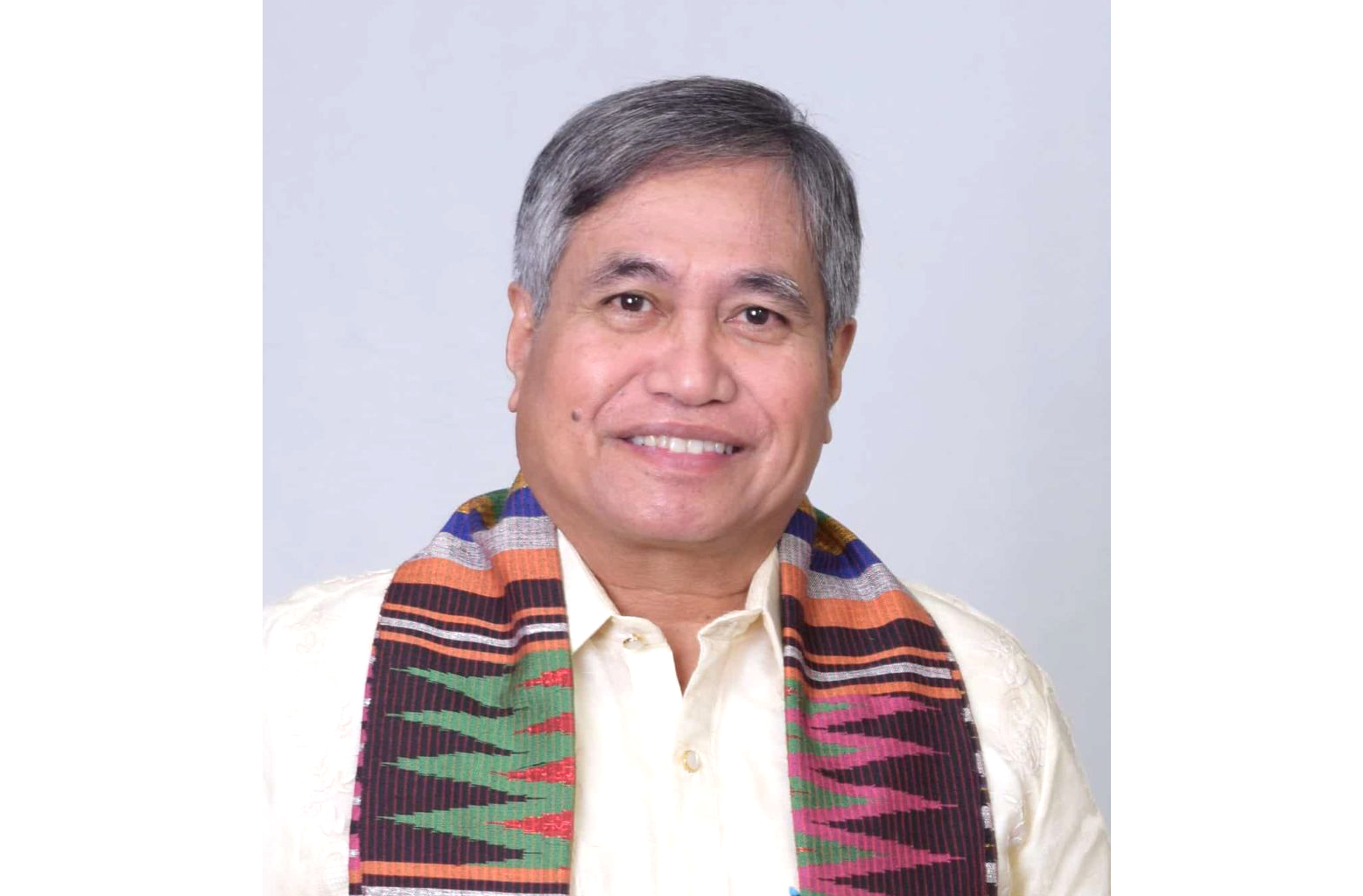
(Dr. Jaime Aristotle B. Alip is a poverty eradication advocate. He is the founder of the Center for Agriculture and Rural Development Mutually-Reinforcing Institutions (CARD MRI), a group of 23 organizations that provide social development services to eight million economically-disadvantaged Filipinos and insure more than 27 million nationwide.)