






 Philippines
National
EcoWaste urges proper waste management amid dengue outbreak in Quezon City
Philippines
National
EcoWaste urges proper waste management amid dengue outbreak in Quezon City
EcoWaste urges proper waste management amid dengue outbreak in Quezon City
By Jel Santos


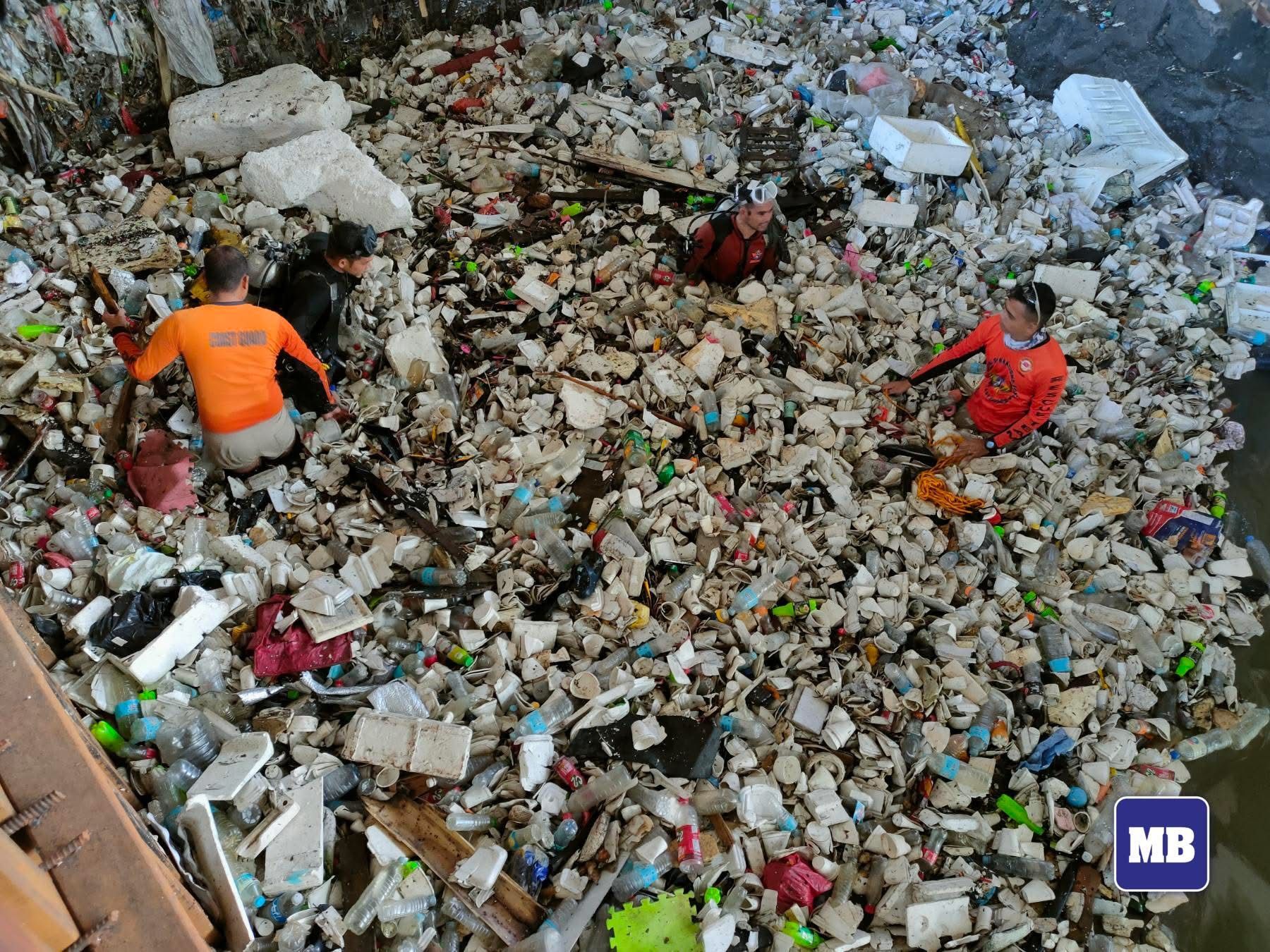
Amid the dengue outbreak in Quezon City, the EcoWaste Coalition has called on residents to take action by ensuring proper waste disposal, which can help minimize mosquito breeding sites and reduce infections.
“We are one with the QC Government in promoting measures that will halt the spiraling cases of dengue viral infections that have so far claimed the lives of 10 residents, mostly children,” Jove Benosa, a member of EcoWaste, said in a statement.
According to the City Epidemiology and Surveillance Division of the QC Health Department, a total of 1,769 dengue cases have been recorded from Jan. 1 to Feb.14, with the majority affecting children. It noted that the outbreak has already resulted in 10 deaths, including eight minors.
Given the alarming rise of cases, EcoWaste reminded all waste generators to comply with the QC Environment Code, which mandates households, businesses, industries, and institutions to maintain cleanliness and properly segregate waste.
“As a QC-based organization advocating for zero waste resource management, we appeal to all waste generators to put the QC Environment Code into practice to help beat the dengue outbreak,” said Benosa.
The group said it is currently implementing sustainable community waste management projects in densely populated areas such as Bagbag and Bagong Silangan in partnership with local authorities and organizations.
The group noted that the QC Environment Code, formally known as the Environmental Protection and Waste Management Code, requires waste segregation at source, classifying waste into compostable/biodegradable, recyclable, residual, and special waste.
Benosa emphasized that strict compliance with these requirements, as well as with Republic Act No. 9003 or the Ecological Solid Waste Management Act, can help eliminate breeding grounds for Aedes aegypti mosquitoes.
“Abiding by these requirements of the QC Environment Code, as well as Republic Act No. 9003, or the Ecological Solid Waste Management Act, will deprive Aedes aegypti, the mosquito that can spread the dengue virus, with spots to lay eggs,” he said.
“Improperly disposed of trash can catch water where dengue mosquitoes can breed.”
The World Health Organization (WHO) has also highlighted the importance of waste management in controlling mosquito populations.
“Applying many of the basic principles (of solid waste management) can contribute substantially to reducing Aedes aegypti larval habitats,” WHO stated, adding that “proper storage, collection and disposal of waste are essential for protecting public health.”
Proactive measures vs dengue
In support of the Quezon City government’s efforts to curb the dengue outbreak, the EcoWaste Coalition urged residents to take proactive measures to eliminate mosquito breeding sites.
The group emphasized the importance of proper waste segregation, advising households to keep non-biodegradable materials dry and clean to prevent water accumulation.
Residents were also encouraged to regularly check and remove standing water in their homes and neighborhoods, as stagnant water serves as a prime breeding ground for dengue-carrying mosquitoes.
EcoWaste further recommended keeping containers and any objects that can collect water in a dry place, as well as covering water tanks, drums, and pails with lids or mosquito-proof mesh to prevent mosquito entry.
To minimize the risk of mosquito larvae developing, the group advised draining and thoroughly cleaning water containers weekly and changing the water in flower vases regularly.
Gardeners were reminded to loosen the soil in potted plants to avoid water stagnation and to flip pot plates to remove excess water.
Pet owners were also encouraged to clean their animals’ drinking bowls daily to prevent mosquito breeding.
As such, the group advised puncturing or cutting tires used as roof support, as these can collect rainwater and serve as mosquito breeding sites.
Residents were also urged to clear blocked roof drains to prevent water pooling, which could contribute to the spread of dengue.
Meanwhile, EcoWaste also warned the public against using unregistered household insecticides, mosquito coils, anti-mosquito lotions, patches, and sprays that have not been verified by the Food and Drug Administration (FDA).
The group stressed that using unauthorized products may pose health and environmental risks.