






 Environment and Sustainability
How this Filipino scientist develops eco-packaging from plant waste
Environment and Sustainability
How this Filipino scientist develops eco-packaging from plant waste
How this Filipino scientist develops eco-packaging from plant waste
Science-backed solutions for sustainability


Almost everything we buy today comes packaged in plastic. It’s no news it’s ubiquitous and erodes our environment. The lack of sustainable packaging choices only worsens the crisis—a situation leaving consumers in limbo. After all, how can we choose better when such options barely exist?
Nonetheless, a Filipino scientist is aiming to avert the plastic packaging crisis by developing bioplastics made from plant waste.
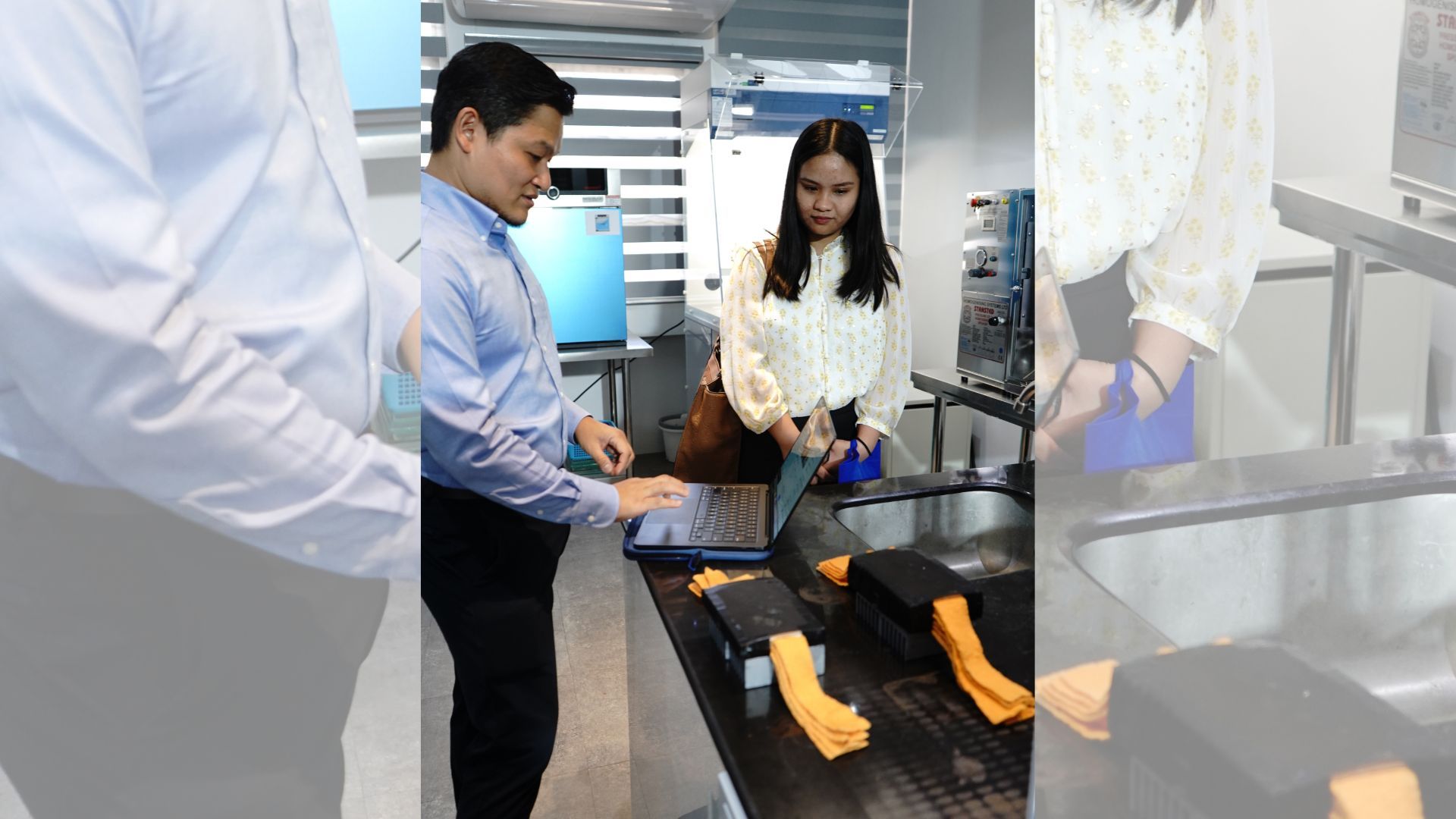
As a Department of Science and Technology "Balik Scientist" heading the Center for Advanced New Materials, Engineering, and Emerging Technologies (CANMEET) at University of San Agustin in Iloilo, Dr. Noel Peter Tan believes in the power of nanotechnology, ultimately research and development to evoke sustainable change.
Ending plastic pollution
Equipped with 10 years of experience in applied chemistry, specifically nanotechnologies (control and manipulation of matter at nano scale to create new materials) under his belt, Dr. Tan aims for CANMEET to become a pioneer in the field of material science and emerging technologies research and development.
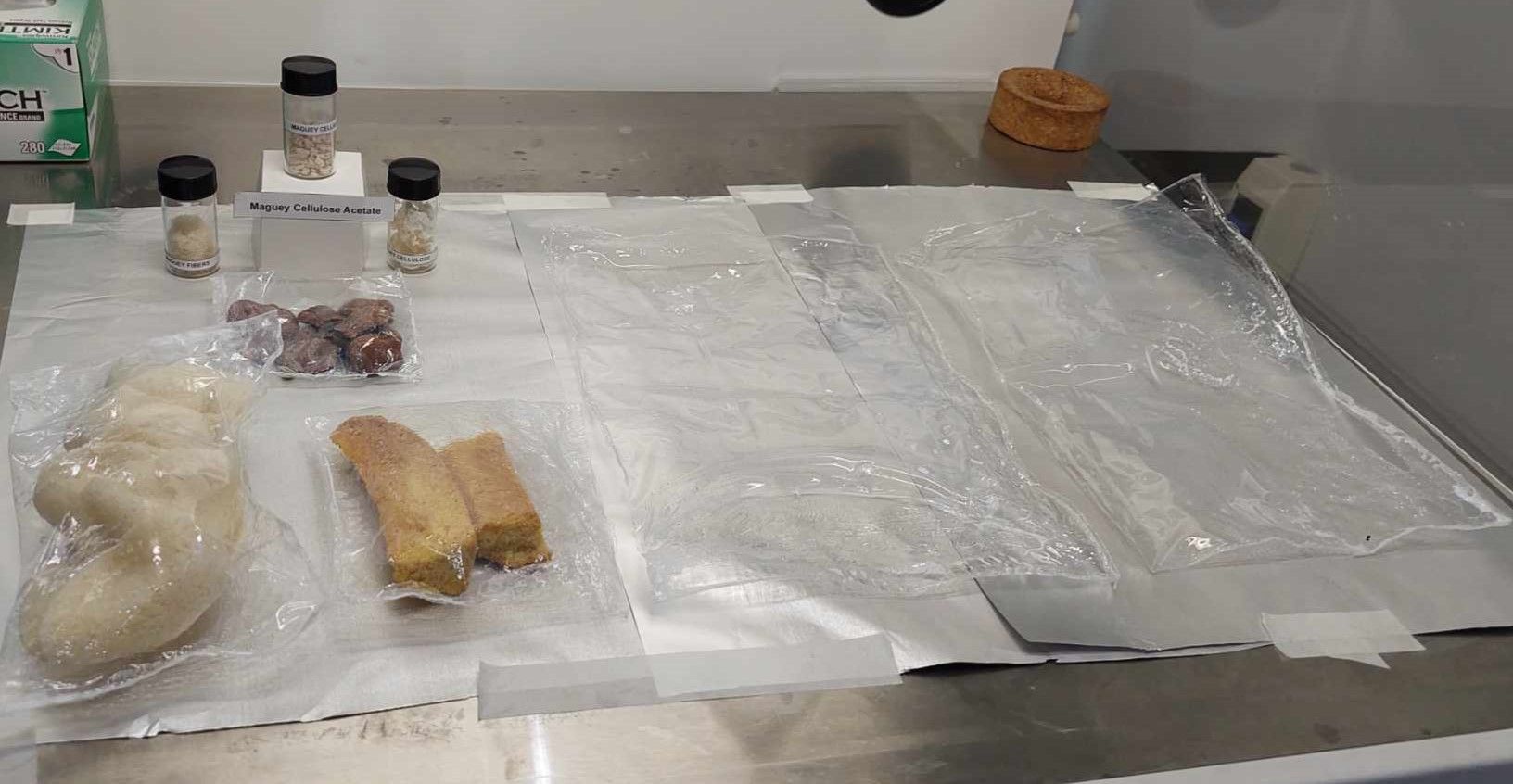
Tan heads the research on nano-enabled bioplastics made from regenerated cellulose, which focuses on creating a biodegradable alternative with better mechanical properties for use in packaging materials.
Traditional plastic is derived from petroleum-based materials, whereas bioplastics are made from renewable resources.
“Contributions of Balik Scientists, like the work of Dr. Tan, enrich the country through innovations geared toward solving national concerns like environmental protection and management,” said DOST Undersecretary for R&D Leah Buendia.
The center's Smart Packaging Laboratory seeks to be a functional laboratory for R&D of nano and advanced materials in smart packaging technologies. The other, the Membranes Laboratory, studies improving a passive membrane-distillation system powered by solar energy.
“We are confident that Dr. Tan’s influence will continue to drive innovation and inspire future scientists. We are honored to have him as part of the Balik Scientist Program and look forward to his future endeavors,” said DOST-PCIEERD Executive Director Dr. Enrico Paringit.
The DOST-Balik Scientist Program was established in 1975 to strengthen the scientific and technological workforce in public and private institutions and academia.
Sustainable endeavors
The DOST provided R&D funding support for the creation of a commercial bioplastic sachet packaging, designed for personal care products including shampoo, conditioner, toothpaste, and food.
“The Philippines is one of the world’s worst offenders for marine pollution If you investigate the sources in the Philippines as a country, it is the sachet economy. Everyone uses it because it’s convenient and it’s everywhere. And it’s everywhere in the seas and seashores,” Dr. Tan said.
He emphasized that one of key reasons for developing bioplastic is its potential to combat marine pollution and single-use sachets. The scientist aims the development to be both “marketable and useful” as plastics continue to plague our shared home.
Meanwhile, Dr. Tan was honored with the Atty. Rosendo & Luiz J. Tansinsin Award for Outstanding Chemical Engineer in R&D. He was also inducted into the College of Fellows by the Philippine Institute of Chemical Engineers in 2023.
The scientist earned his Master of Chemical Engineering in 2010 from Xiamen University, China, and completed his PhD in 2014 at Hong Kong Polytechnic University. He previously worked as a senior engineer in the environment section of the Nano and Advanced Materials Institute in Hong Kong.
His contributions to environmental pollution solutions using nanofibers are reflected in his granted patents and numerous peer-reviewed publications. Plus, he serves as a journal reviewer for several international studies.
“My mission for this hub is really to have a tangible product. What we will do in the labs, we get out from the lab and be useful to the community," he expressed.