






 Philippines
National
VP Sara's impeachment trial can cross into next Congress — solons
Philippines
National
VP Sara's impeachment trial can cross into next Congress — solons
VP Sara's impeachment trial can cross into next Congress — solons


At A Glance
- Two House members asserted on Monday, Feb. 10, that the impeachment trial against Vice President Sara Duterte can cross into the next 20th Congress as the current assembly is set to conclude.
Two House members asserted on Monday, Feb. 10, that the impeachment trial against Vice President Sara Duterte can cross into the next 20th Congress as the current assembly is set to conclude.
Since Duterte's impeachment complaint was forwarded to the Senate at the very tail end of the 19th Congress, questions arose if the subsequent impeachment trial could still be legally handled by the next batch of lawmakers af the May 12 mid-term polls.
It was a "yes" for Manila 3rd district Rep. Joel Chua, one of the 11 designated prosecutors in Duterte's trial; as well as for Tingog Party-list Rep. Jude Acidre, as the two cited historical precedents in the United States (US).
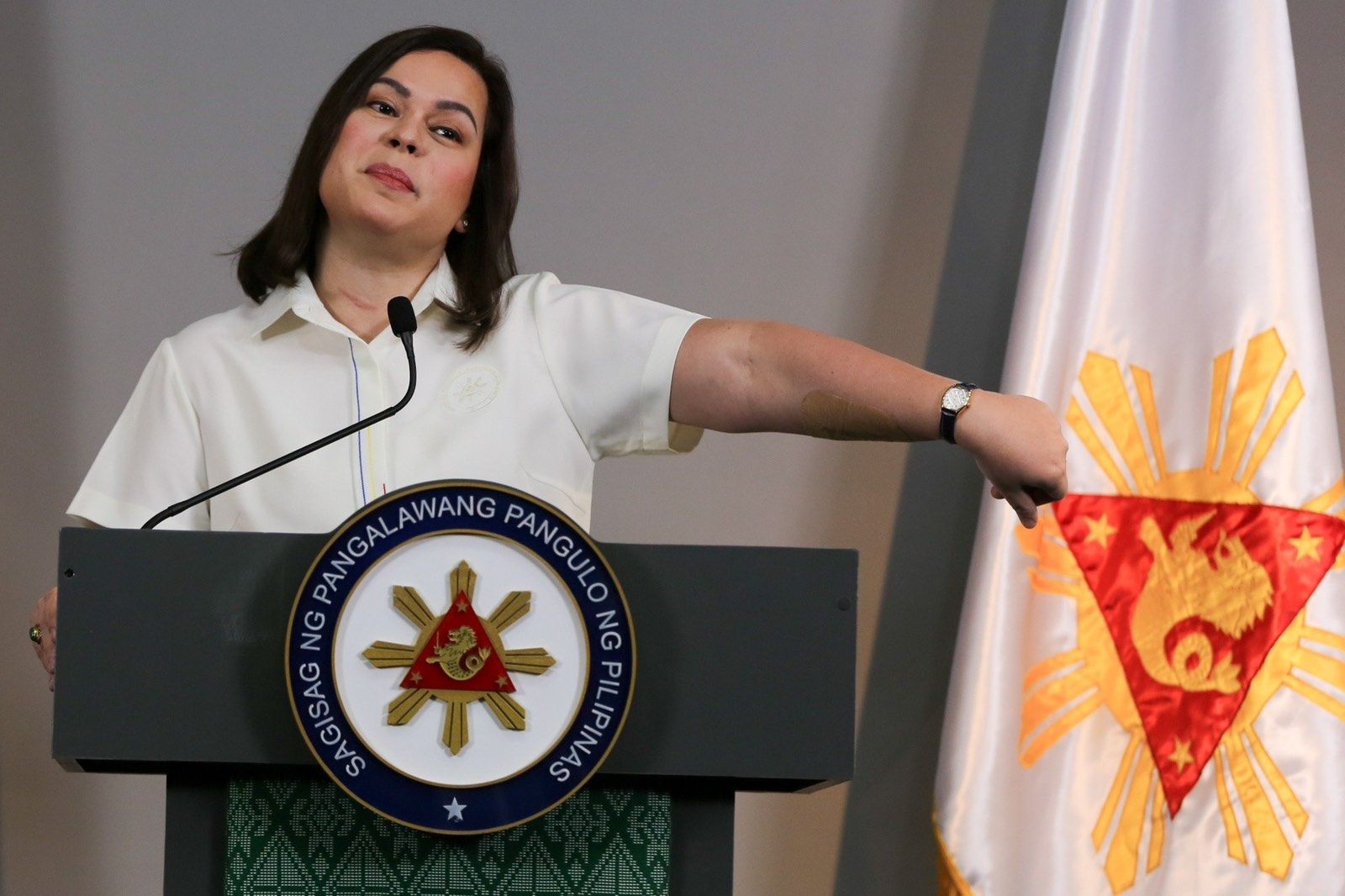
"Opo, kaya nga po ito po’y tinapos namin at filed na, dahil, eto po ang bola po ay nasa Senate na at ‘yung Senate po pupwede na po nilang i-hear ito base po dun sa Articles of Impeachment na aming na-filed (Yes. That's why we finished and filed the impeachment complaint before the House of Representatives adjourned. It is now up to the Senate to hear the case based on the Articles of Impeachment that we cited)," Chua said in a press conference.
Chua, chairman of the House Committee on Good Government and Public Accountability, said that in the US, some impeachment cases managed to cross congressional sessions and proceeded to trial in the next Congress.
"Alam ninyo sa Amerika nangyayari ‘yan, nakaka-apat na rin yata kung saan sa ibang Congress na-file ‘yung impeachment, sa next Congress doon na-try ‘yung impeachment. So ito po’y hindi naman bago, nangyari na rin po ito sa Amerika (It had also happened in the US for I think, at least four times, where an impeachment trial had been passed on to the next Congress. It was not new)," he said.
Acidre supported Chua’s statement, as he specifically recalled the case of former US president Bill Clinton.
"Dadagdag ko lang 'yan, 'yan ang nangyari kay Bill Clinton. Si Bill Clinton, dating Pangulo ng USA ay na-impeach nung 105th Congress. Tapos ang trial niya ay nangyari nung 106th Congress, Senado ng 106 Congress (That's also happened to Bill Clinton, a US president who was impeached during the 105th Congress and underwent trial during the 106th Congress)," Acidre explained.
The rules on impeachment in the Philippines are largely patterned after the US impeachment system, but with some key differences.
Acidre further noted that the Philippine Constitution clearly distinguishes legislative and non-legislative functions, and impeachment falls under the latter.
“Katulad ng sinabi ni chairman Chua (Like what chairman Chua said), the Constitution actually makes a distinction between the legislative and non-legislative function of Congress, at ito pong ating impeachment power ay kasama po ito sa non-legislative (And this impeachment power is part of the non-legislative power)," Acidre said.
He emphasized that non-legislative functions are not bound by the regular transitions of Congress.
"Ang aming school of thought po is non-legislative functions ay hindi po bound ng mga tinatawag nating temporal iterations ng Kongreso (Our school of thought is that this legislative function is not bound by any temporal iterations of the Congress)," Acidre expressed.
Acidre also cited constitutional provisions that assign specific roles to each chamber of Congress in the impeachment process.
"Klaro po ‘yung konstitusyon (The Constitution is clear in that) the House has the exclusive right to impeach. The Senate has the sole power to try and hear cases of impeachment,” he said.