ADVERTISEMENT

Curb excessive waste in your campaigns, EcoWaste tells candidates in 2025 polls

Published Feb 10, 2025 06:06 am
IMG_0060.jpeg
(MB FILE PHOTO)

As the campaign period kicks off, environmental watchdog EcoWaste Coalition on Monday, Feb. 10, urged candidates to reduce the excessive generation of waste and to integrate environmental protection into their platforms, strategies, and activities.

The official campaign period for senatorial and party-list candidates starts on Tuesday, Feb. 11, while the campaign for local candidates begins on March 28.

During a press briefing at the Commission on Elections (Comelec) headquarters in Intramuros, Manila, Jove Benosa, a member of EcoWaste, emphasized that the desire to be elected should not come at the cost of environmental degradation.

“We agree with Comelec that running for an elective post is not a license to degrade and ruin the environment. On the contrary, it carries a huge responsibility to care for and protect our fragile environment,” he said.

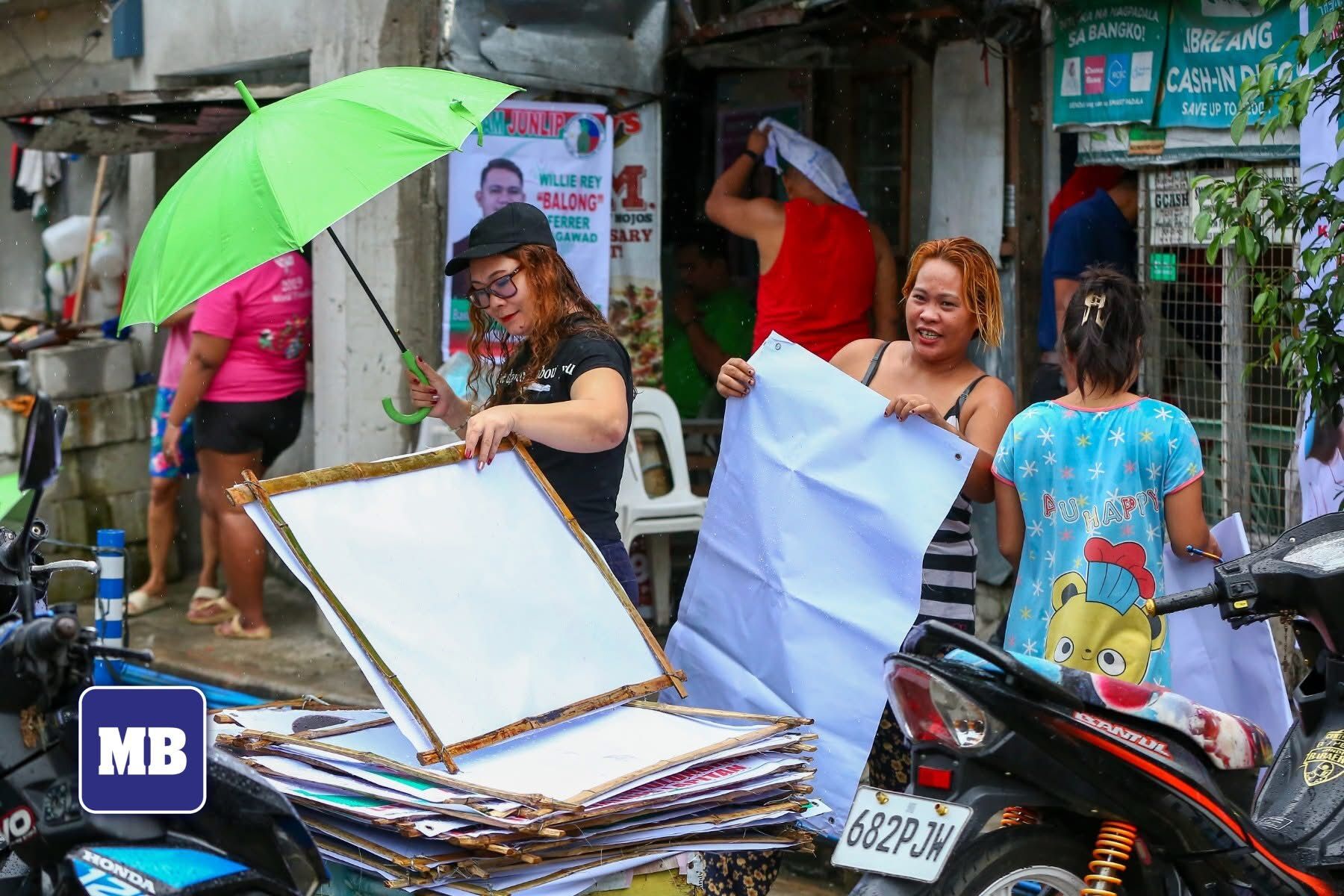
EcoWaste reiterated the importance of using reusable or recyclable campaign materials that can be safely and easily reused or recycled, emphasizing the need for ecological waste management throughout the campaign to prevent littering, dumping, or burning of materials.

As such, the environmental watchdog called on candidates to avoid nailing campaign materials on trees, refrain from using confetti, balloons, and banderitas, maximize the use of digital platforms, make campaign meetings and sorties tobacco- and vape-free, limit the production of sample ballots, and conduct post-campaign cleanups, regardless of election results.

Comelec Resolution No. 11111, which outlines the Guidelines on the Use of Environmentally Sustainable Election Propaganda, mandates that only election propaganda in the form of posters or standing displays (standees) made of cloth, paper, cardboard, or other recyclable materials shall be permitted.

Also, Comelec, in accordance with Resolution No. 11086, prohibits the use of single-use plastics under applicable laws, rules, and relevant issuances. It also bans the use of fireworks for election-related campaign meetings or celebratory gatherings, as well as the use of styrofoam and other non-biodegradable materials and hazardous substances in election campaigns, services, or events.

Beyond these restrictions, EcoWaste stated that the Comelec encourages the use of sustainable campaign materials, including reusable food and beverage containers, energy-efficient lighting and sound systems during rallies, biodegradable or reusable banners, electric or hybrid-electric vehicles for motorcades, LED billboards or other digital platforms for advertisements, and alternative materials such as natural fabrics, recycled paper, and compostable plastics.

“We urge all candidates and their supporters to heed Comelec’s guidelines to make the midterm elections as environmentally friendly as possible,” the environmental watchdog said.

“By choosing recyclable and reusable non-toxic campaign materials, reducing the consumption of single-use plastics, and ecologically managing campaign discards, we can collectively reduce pollution and ensure a cleaner, healthier environment for all.”

ADVERTISEMENT
.most-popular .layout-ratio{ padding-bottom: 79.13%; } @media (min-width: 768px) and (max-width: 1024px) { .widget-title { font-size: 15px !important; } }

{{ articles_filter_1561_widget.title }}

.most-popular .layout-ratio{ padding-bottom: 79.13%; } @media (min-width: 768px) and (max-width: 1024px) { .widget-title { font-size: 15px !important; } }

{{ articles_filter_1562_widget.title }}

.most-popular .layout-ratio{ padding-bottom: 79.13%; } @media (min-width: 768px) and (max-width: 1024px) { .widget-title { font-size: 15px !important; } }

{{ articles_filter_1563_widget.title }}

{{ articles_filter_1564_widget.title }}

.mb-article-details { position: relative; } .mb-article-details .article-body-preview, .mb-article-details .article-body-summary{ font-size: 17px; line-height: 30px; font-family: "Libre Caslon Text", serif; color: #000; } .mb-article-details .article-body-preview iframe , .mb-article-details .article-body-summary iframe{ width: 100%; margin: auto; } .read-more-background { background: linear-gradient(180deg, color(display-p3 1.000 1.000 1.000 / 0) 13.75%, color(display-p3 1.000 1.000 1.000 / 0.8) 30.79%, color(display-p3 1.000 1.000 1.000) 72.5%); position: absolute; height: 200px; width: 100%; bottom: 0; display: flex; justify-content: center; align-items: center; padding: 0; } .read-more-background a{ color: #000; } .read-more-btn { padding: 17px 45px; font-family: Inter; font-weight: 700; font-size: 18px; line-height: 16px; text-align: center; vertical-align: middle; border: 1px solid black; background-color: white; } .hidden { display: none; }
function initializeAllSwipers() { // Get all hidden inputs with cms_article_id document.querySelectorAll('[id^="cms_article_id_"]').forEach(function (input) { const cmsArticleId = input.value; const articleSelector = '#article-' + cmsArticleId + ' .body_images'; const swiperElement = document.querySelector(articleSelector); if (swiperElement && !swiperElement.classList.contains('swiper-initialized')) { new Swiper(articleSelector, { loop: true, pagination: false, navigation: { nextEl: '#article-' + cmsArticleId + ' .swiper-button-next', prevEl: '#article-' + cmsArticleId + ' .swiper-button-prev', }, }); } }); } setTimeout(initializeAllSwipers, 3000); const intersectionObserver = new IntersectionObserver( (entries) => { entries.forEach((entry) => { if (entry.isIntersecting) { const newUrl = entry.target.getAttribute("data-url"); if (newUrl) { history.pushState(null, null, newUrl); let article = entry.target; // Extract metadata const author = article.querySelector('.author-section').textContent.replace('By', '').trim(); const section = article.querySelector('.section-info ').textContent.replace(' ', ' '); const title = article.querySelector('.article-title h1').textContent; // Parse URL for Chartbeat path format const parsedUrl = new URL(newUrl, window.location.origin); const cleanUrl = parsedUrl.host + parsedUrl.pathname; // Update Chartbeat configuration if (typeof window._sf_async_config !== 'undefined') { window._sf_async_config.path = cleanUrl; window._sf_async_config.sections = section; window._sf_async_config.authors = author; } // Track virtual page view with Chartbeat if (typeof pSUPERFLY !== 'undefined' && typeof pSUPERFLY.virtualPage === 'function') { try { pSUPERFLY.virtualPage({ path: cleanUrl, title: title, sections: section, authors: author }); } catch (error) { console.error('ping error', error); } } // Optional: Update document title if (title && title !== document.title) { document.title = title; } } } }); }, { threshold: 0.1 } ); function showArticleBody(button) { const article = button.closest("article"); const summary = article.querySelector(".article-body-summary"); const body = article.querySelector(".article-body-preview"); const readMoreSection = article.querySelector(".read-more-background"); // Hide summary and read-more section summary.style.display = "none"; readMoreSection.style.display = "none"; // Show the full article body body.classList.remove("hidden"); } document.addEventListener("DOMContentLoaded", () => { let loadCount = 0; // Track how many times articles are loaded const offset = [1, 2, 3, 4, 5, 6, 7, 8, 9, 10]; // Offset values const currentUrl = window.location.pathname.substring(1); let isLoading = false; // Prevent multiple calls if (!currentUrl) { console.log("Current URL is invalid."); return; } const sentinel = document.getElementById("load-more-sentinel"); if (!sentinel) { console.log("Sentinel element not found."); return; } function isSentinelVisible() { const rect = sentinel.getBoundingClientRect(); return ( rect.top < window.innerHeight && rect.bottom >= 0 ); } function onScroll() { if (isLoading) return; if (isSentinelVisible()) { if (loadCount >= offset.length) { console.log("Maximum load attempts reached."); window.removeEventListener("scroll", onScroll); return; } isLoading = true; const currentOffset = offset[loadCount]; window.loadMoreItems().then(() => { let article = document.querySelector('#widget_1690 > div:nth-last-of-type(2) article'); intersectionObserver.observe(article) loadCount++; }).catch(error => { console.error("Error loading more items:", error); }).finally(() => { isLoading = false; }); } } window.addEventListener("scroll", onScroll); });

Sign up by email to receive news.