






Manila Bulletin
 Business
Trade & Industry
WTO e-commerce agreement to push Philippines' role in digital trade
Business
Trade & Industry
WTO e-commerce agreement to push Philippines' role in digital trade
Business
Trade & Industry
WTO e-commerce agreement to push Philippines' role in digital trade
WTO e-commerce agreement to push Philippines' role in digital trade
Published Dec 31, 2025 11:50 am
|
Updated Dec 31, 2025 02:37 pm


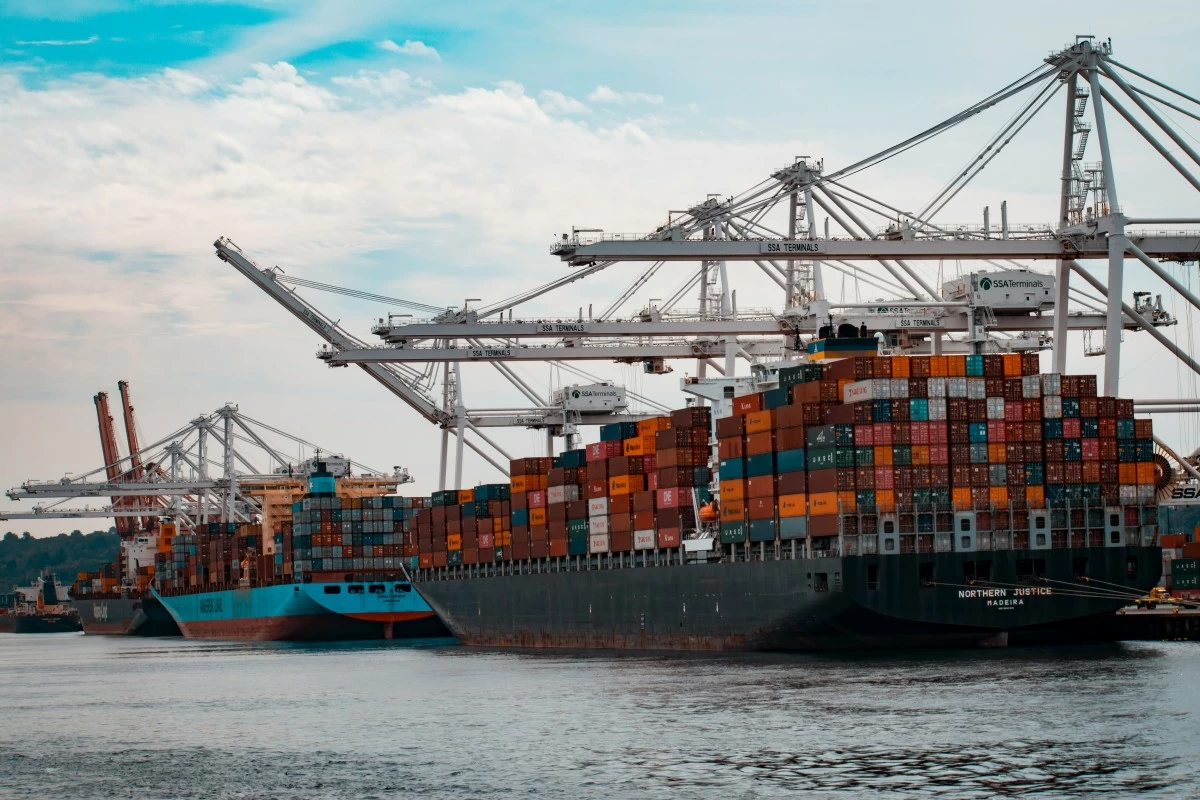
(Unsplash)
The Philippines will take a more active role in advancing global policies for digital trade after it accepted the finalized text of the Agreement on Electronic Commerce under the World Trade Organization (WTO).
Announced during the WTO General Council’s December meeting, the country officially joined the agreement as its 72nd co-sponsor.
In a statement, the Department of Trade and Industry (DTI) said joining the agreement affirms the country’s commitment to shaping global digital trade rules.
It added that this supports the growing call to integrate the agreement into the WTO’s legal framework to foster coherence, predictability, and legitimacy in multilateral digital trade governance.
Initiated in 2017 by 71 WTO members, the goal of the e-commerce agreement is to ensure an open environment for digital trade and promote safe, inclusive, and efficient digital commerce.
With more than 60 percent of global gross domestic product (GDP) estimated to be linked to online transactions, it aims to establish global rules to support and govern the digital trade landscape.
After five years of negotiations involving 91 WTO members, the co-sponsors issued the finalized text of the e-commerce agreement in July last year, but it has yet to be integrated into the trade bloc’s framework.
The WTO attempted to incorporate the agreement twice this year, but its General Council—the highest-level decision-making body—was unable to reach consensus after some members expressed concerns about the proposal.
For its part, the Philippines said the agreement is a welcome move as it aligns with the economic priorities outlined by the government.
The agency noted that it covers government initiatives to empower micro, small, and medium enterprises (MSMEs), nurture innovation, enhance trade facilitation, boost consumer protection, and promote inclusive development.
Likewise, the agreement’s flexible implementation provisions supporting developing and least-developed countries (LDCs) in adopting digital trade disciplines are in line with the country’s needs, the DTI said.
Trade Undersecretary Allan Gepty added that it complements the country’s push to advance digital trade through regional and bilateral initiatives.
Gepty said the provisions on digital trade are included in the Comprehensive Economic Partnership Agreement (CEPA) between the Philippines and the United Arab Emirates (UAE), which is up for signing in January.
This is also embodied in ongoing negotiations for the CEPA with Chile, the free-trade agreement (FTA) with the European Union (EU), and the digital economy framework of the Association of Southeast Asian Nations (ASEAN).
“By joining the co-sponsors, the Philippines signals its readiness to contribute to meaningful outcomes ahead of the 14th WTO Ministerial Conference in March 2026 and engage in future discussions on the next phase of work on data-related issues, ensuring that diverse regulatory contexts and development needs are respected,” Gepty said.