






Manila Bulletin
 Entertainment
Celebrities
Why dating rumors still shake K-pop, even as it goes global
Entertainment
Celebrities
Why dating rumors still shake K-pop, even as it goes global
Entertainment
Celebrities
Why dating rumors still shake K-pop, even as it goes global
Why dating rumors still shake K-pop, even as it goes global
Published Dec 31, 2025 12:43 pm
|
Updated Dec 31, 2025 04:47 pm


When a dating rumor linking BTS' Jung Kook and aespa's Winter — arguably two of the highest-profile stars in the current K-pop landscape — began circulating online, the response followed an all-too-familiar script.
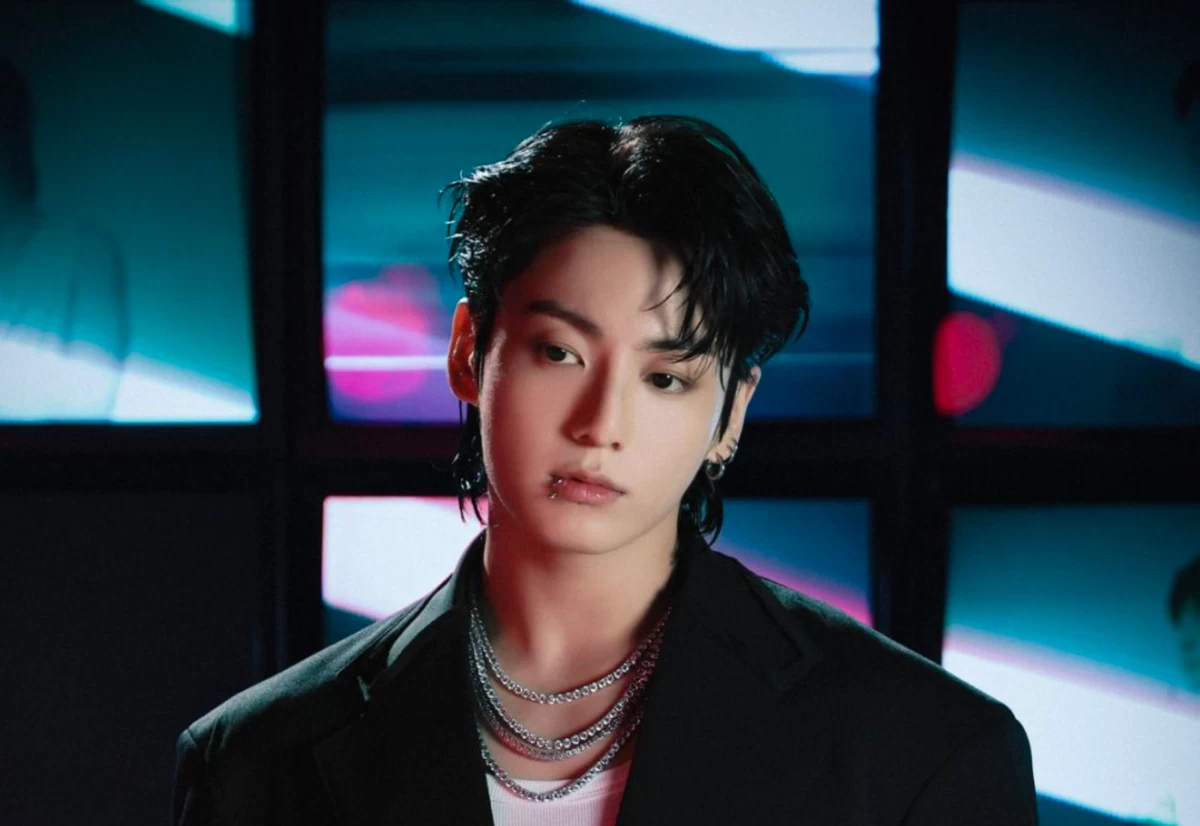
BTS Jung Kook (Facebook)
Neither artist nor their agencies confirmed or denied the reports, but silence did little to slow the conversation. Instead, the rumor reopened one of the genre's hottest debates: how much of an idol's personal life truly belongs to their fans?
Within days, fan communities split along predictable lines. Some urged respect for privacy, while others expressed concern that a relationship could affect group activities or public image. A smaller but louder faction even sent protest trucks to the artists' agencies, turning speculation into a public dispute.
The episode echoed events from last year, when aespa member Karina was linked to actor Lee Jae-wook. That controversy culminated in Karina issuing a public apology to fans, drawing international attention not because idols dating was unusual, but because the expectation of remorse felt increasingly misaligned with how pop stars are treated in global markets.
Such reactions are hardly new to longtime K-pop observers, but as the genre's audience has expanded worldwide, the fault lines have become more visible.
International fans, in particular, have grown more vocal in criticizing what they see as "excessive" or "toxic" fan behavior, pointing to an industry structure that has long blurred the boundary between support and entitlement.
Business of closeness
To understand why dating rumors continue to provoke such intense reactions, it helps to look beyond individual fandoms and examine how the K-pop idol system itself is designed.
Unlike Western pop industries, K-pop has built much of its success on sustained proximity between artists and fans, with music serving as only one part of the relationship. Here, fans are encouraged to engage daily through agency-run platforms designed to simulate personal closeness, a dynamic that gradually transforms into a major source of revenue.
Few areas illustrate this dynamic more clearly than fan signing events and subscription-based messaging platforms.
In-person fan signings, common in Korean and Japanese music markets, offer brief one-on-one interactions through album purchase lotteries. Fans are able to speak directly with artists and exchange small gifts, but with limited slots and purchase-based odds, heavy spending does not guarantee entry.
A boy group fan in her 20s surnamed Kim told The Korea Times that within fandoms it is “widely understood” that even newly debuted idols from major agencies can require fans to spend “hundreds of thousands of won” for a chance to attend a fan signing event. While official figures are rarely disclosed, local fans estimate that gaining entry to in‑person events for top-tier acts — often by purchasing multiple albums — can cost more than 3 million won ($2,052), with overseas events demanding even more spending.
That emotional economy extends into everyday life through paid messaging platforms, essentially subscription services designed to simulate personal communication between idols and fans.
Through apps like DearU Bubble, Weverse and Fromm, fans typically pay a monthly fee per artist to receive messages, photos, voice notes or posts delivered in a chat-style interface that resembles a private conversation. Now standard across the industry, these platforms package intimacy as a subscription, often blurring the line between performance and personal interaction.
Industry observers say that over time, this structure reshapes how K-pop fans understand their role. After years of buying albums, maintaining subscriptions and supporting releases, idols may come to feel less like distant entertainers and more like shared investments.
Music critic Lim Hee-yoon noted through a local media outlet that one of the key drivers behind K-pop’s growth has been its "ability to convert fandom loyalty and passion into financial flow."
As platforms evolved and the industry expanded, she said, those mechanisms became "increasingly sophisticated and commercialized."
At the same time, critics argue that intimacy should have clear limits.
“If artists themselves choose not to disclose personal details, the details should not be actively sought out or consumed,” said Jang Min-gi, a professor of media communications at Kyungnam University.
"The public notion that unwanted exposure is inevitable rather than something that should be questioned may also be part of the bigger problem."
As K-pop continues to expand beyond its early fandom-driven markets, the systems that helped propel the genre’s global rise are now being scrutinized by audiences who expect artists to be treated less as private property and more as individuals.
Yet, as long as K-pop continues to profit from carefully engineered emotional closeness, dating controversies are unlikely to disappear.
The Jung Kook and Winter rumor will eventually fade. The system that turned speculation into backlash may be far more durable. (Pyo Kyung-min/The Korea Times)