

ADVERTISEMENT

Flu is rising rapidly, driven by a new variant. Here's what to know

Published Dec 31, 2025 08:05 am
WASHINGTON (AP) — Flu is rising rapidly across the U.S., driven by a new variant of the virus — and cases are expected to keep growing with holiday travel.
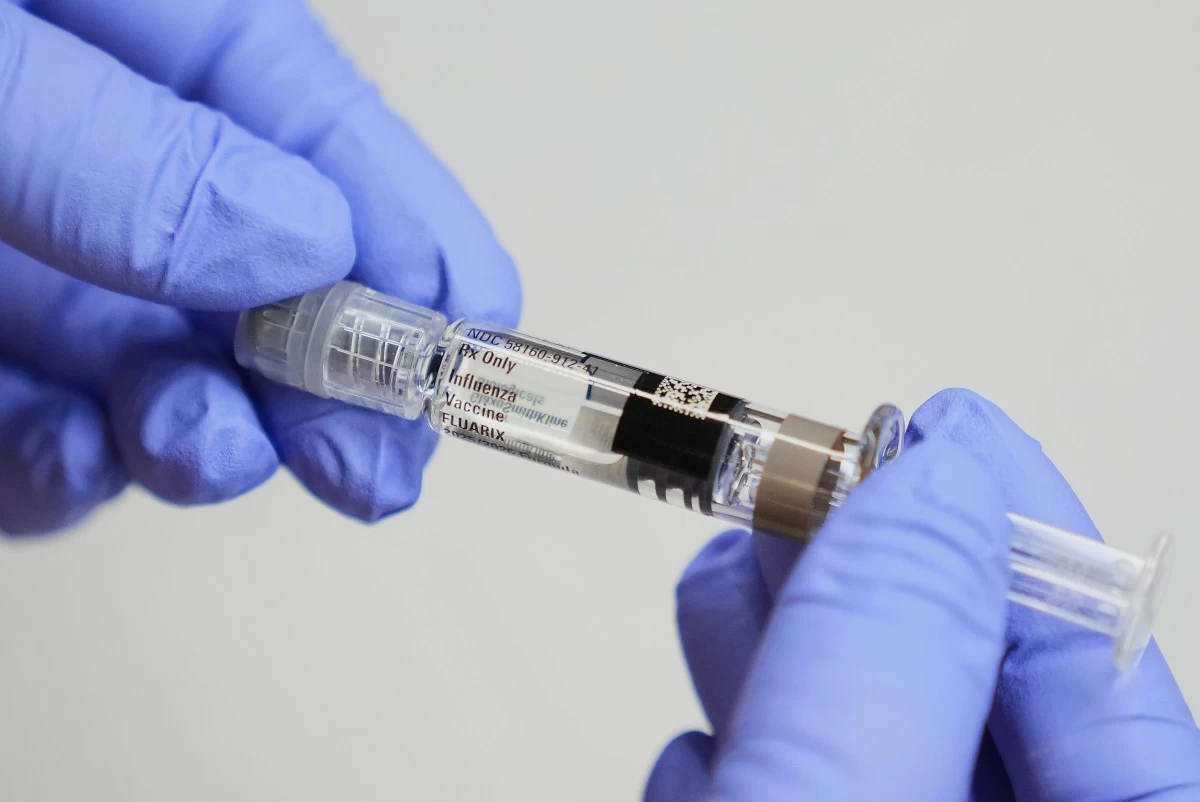
FILE - A certified medical assistant holds a syringe for a flu vaccine at a clinic in Seattle, on Wednesday, Sept. 10, 2025. (AP Photo/Lindsey Wasson, File)
That variant, known as "subclade K," led to early outbreaks in the United Kingdom, Japan and Canada. In the U.S., flu typically begins its winter march in December. On Tuesday, the Centers for Disease Control and Prevention reported high or very high levels of illness in more than half the states.
The CDC estimated there have been at least 7.5 million illnesses, 81,000 hospitalizations and 3,100 deaths from flu so far this season. That includes at least eight child deaths — and is based on data as of Dec. 20, before major holiday gatherings.
Some states are particularly hard-hit. New York's health department said the week ending Dec. 20 marked the most flu cases the state had recorded in a single week since 2004: 71,000.
It's far too soon to know if this flu season will be as severe as last winter's.
But it's not too late to get a flu shot, which health experts say can still prevent severe illness even if someone gets infected. While this year's vaccine isn't a perfect match to the subclade K strain, a preliminary analysis from the U.K. found it offered at least partial protection, lowering people's risk of hospitalization.
According to the CDC, only about 42% of adults and children have gotten a flu vaccination so far this year.
What is subclade K flu?
The flu virus is a shape-shifter, constantly mutating, and it comes in multiple forms. There are two subtypes of Type A flu, and subclade K is a mutated version of one of them, named H3N2. That H3N2 strain is always harsh, especially for older adults.
Subclade K's mutations aren't enough of a change to be considered an entirely new kind of flu.
But they're different enough to evade some of the protection from this year's vaccine, said Andrew Pekosz, a virus expert at Johns Hopkins Bloomberg School of Public Health.
Will subclade K make people sicker?
The CDC said it's too soon to know how severe this season will be.
Flu seasons dominated by any version of H3N2 tend to be bad, with more infections overall and more people becoming seriously ill. But Hopkins' Pekosz cautioned it will take time to tease apart whether this subclade K version simply spreads more easily or also is more dangerous.
That question aside, the CDC notes there are some prescription medicines to treat flu — usually recommended for people at high risk of complications. But they generally need to be started a day or two after symptoms begin.
Who needs a flu vaccine?
The CDC and major medical societies all recommend a flu vaccine for just about everyone age 6 months and older. Despite lots of recent misinformation and confusion about vaccines, the flu recommendations haven't changed.
Flu is particularly dangerous for people 65 and older, pregnant women, young children and people of any age who have chronic health problems, including asthma, diabetes, heart disease and weak immune systems.
The vaccines are brewed to protect against three influenza strains. Despite concern over that new H3N2 variant, they appear to be a good match against H1N1 and Type B flu that may also circulate this year, Pekosz said.
There are shots for all ages, as well as the nasal spray FluMist for ages 2 to 49. For the first time this year, some people may be eligible to vaccinate themselves with FluMist at home.

Related Tags

World news FLU
ADVERTISEMENT
.most-popular .layout-ratio{ padding-bottom: 79.13%; } @media (min-width: 768px) and (max-width: 1024px) { .widget-title { font-size: 15px !important; } }

{{ articles_filter_1561_widget.title }}

.most-popular .layout-ratio{ padding-bottom: 79.13%; } @media (min-width: 768px) and (max-width: 1024px) { .widget-title { font-size: 15px !important; } }

{{ articles_filter_1562_widget.title }}

.most-popular .layout-ratio{ padding-bottom: 79.13%; } @media (min-width: 768px) and (max-width: 1024px) { .widget-title { font-size: 15px !important; } }

{{ articles_filter_1563_widget.title }}

{{ articles_filter_1564_widget.title }}

.mb-article-details { position: relative; } .mb-article-details .article-body-preview, .mb-article-details .article-body-summary{ font-size: 17px; line-height: 30px; font-family: "Libre Caslon Text", serif; color: #000; } .mb-article-details .article-body-preview iframe , .mb-article-details .article-body-summary iframe{ width: 100%; margin: auto; } .read-more-background { background: linear-gradient(180deg, color(display-p3 1.000 1.000 1.000 / 0) 13.75%, color(display-p3 1.000 1.000 1.000 / 0.8) 30.79%, color(display-p3 1.000 1.000 1.000) 72.5%); position: absolute; height: 200px; width: 100%; bottom: 0; display: flex; justify-content: center; align-items: center; padding: 0; } .read-more-background a{ color: #000; } .read-more-btn { padding: 17px 45px; font-family: Inter; font-weight: 700; font-size: 18px; line-height: 16px; text-align: center; vertical-align: middle; border: 1px solid black; background-color: white; } .hidden { display: none; }
function initializeAllSwipers() { // Get all hidden inputs with cms_article_id document.querySelectorAll('[id^="cms_article_id_"]').forEach(function (input) { const cmsArticleId = input.value; const articleSelector = '#article-' + cmsArticleId + ' .body_images'; const swiperElement = document.querySelector(articleSelector); if (swiperElement && !swiperElement.classList.contains('swiper-initialized')) { new Swiper(articleSelector, { loop: true, pagination: false, navigation: { nextEl: '#article-' + cmsArticleId + ' .swiper-button-next', prevEl: '#article-' + cmsArticleId + ' .swiper-button-prev', }, }); } }); } setTimeout(initializeAllSwipers, 3000); const intersectionObserver = new IntersectionObserver( (entries) => { entries.forEach((entry) => { if (entry.isIntersecting) { const newUrl = entry.target.getAttribute("data-url"); if (newUrl) { history.pushState(null, null, newUrl); let article = entry.target; // Extract metadata const author = article.querySelector('.author-section').textContent.replace('By', '').trim(); const section = article.querySelector('.section-info ').textContent.replace(' ', ' '); const title = article.querySelector('.article-title h1').textContent; // Parse URL for Chartbeat path format const parsedUrl = new URL(newUrl, window.location.origin); const cleanUrl = parsedUrl.host + parsedUrl.pathname; // Update Chartbeat configuration if (typeof window._sf_async_config !== 'undefined') { window._sf_async_config.path = cleanUrl; window._sf_async_config.sections = section; window._sf_async_config.authors = author; } // Track virtual page view with Chartbeat if (typeof pSUPERFLY !== 'undefined' && typeof pSUPERFLY.virtualPage === 'function') { try { pSUPERFLY.virtualPage({ path: cleanUrl, title: title, sections: section, authors: author }); } catch (error) { console.error('ping error', error); } } // Optional: Update document title if (title && title !== document.title) { document.title = title; } } } }); }, { threshold: 0.1 } ); function showArticleBody(button) { const article = button.closest("article"); const summary = article.querySelector(".article-body-summary"); const body = article.querySelector(".article-body-preview"); const readMoreSection = article.querySelector(".read-more-background"); // Hide summary and read-more section summary.style.display = "none"; readMoreSection.style.display = "none"; // Show the full article body body.classList.remove("hidden"); } document.addEventListener("DOMContentLoaded", () => { let loadCount = 0; // Track how many times articles are loaded const offset = [1, 2, 3, 4, 5, 6, 7, 8, 9, 10]; // Offset values const currentUrl = window.location.pathname.substring(1); let isLoading = false; // Prevent multiple calls if (!currentUrl) { console.log("Current URL is invalid."); return; } const sentinel = document.getElementById("load-more-sentinel"); if (!sentinel) { console.log("Sentinel element not found."); return; } function isSentinelVisible() { const rect = sentinel.getBoundingClientRect(); return ( rect.top < window.innerHeight && rect.bottom >= 0 ); } function onScroll() { if (isLoading) return; if (isSentinelVisible()) { if (loadCount >= offset.length) { console.log("Maximum load attempts reached."); window.removeEventListener("scroll", onScroll); return; } isLoading = true; const currentOffset = offset[loadCount]; window.loadMoreItems().then(() => { let article = document.querySelector('#widget_1690 > div:nth-last-of-type(2) article'); intersectionObserver.observe(article) loadCount++; }).catch(error => { console.error("Error loading more items:", error); }).finally(() => { isLoading = false; }); } } window.addEventListener("scroll", onScroll); });

Sign up by email to receive news.