






Manila Bulletin
 Business
Banking & Finance
Fake peso notes fall 19% in H1 2025 as BSP strengthens currency security
Business
Banking & Finance
Fake peso notes fall 19% in H1 2025 as BSP strengthens currency security
Business
Banking & Finance
Fake peso notes fall 19% in H1 2025 as BSP strengthens currency security
Fake peso notes fall 19% in H1 2025 as BSP strengthens currency security
By Derco Rosal
Published Dec 31, 2025 12:00 am
|
Updated Dec 30, 2025 10:38 am


At A Glance
- Counterfeit Philippine banknotes dropped 18.9 percent in the first six months of 2025 to 5.8 parts per million (ppm) as the Bangko Sentral ng Pilipinas (BSP) ramps up currency security measures.
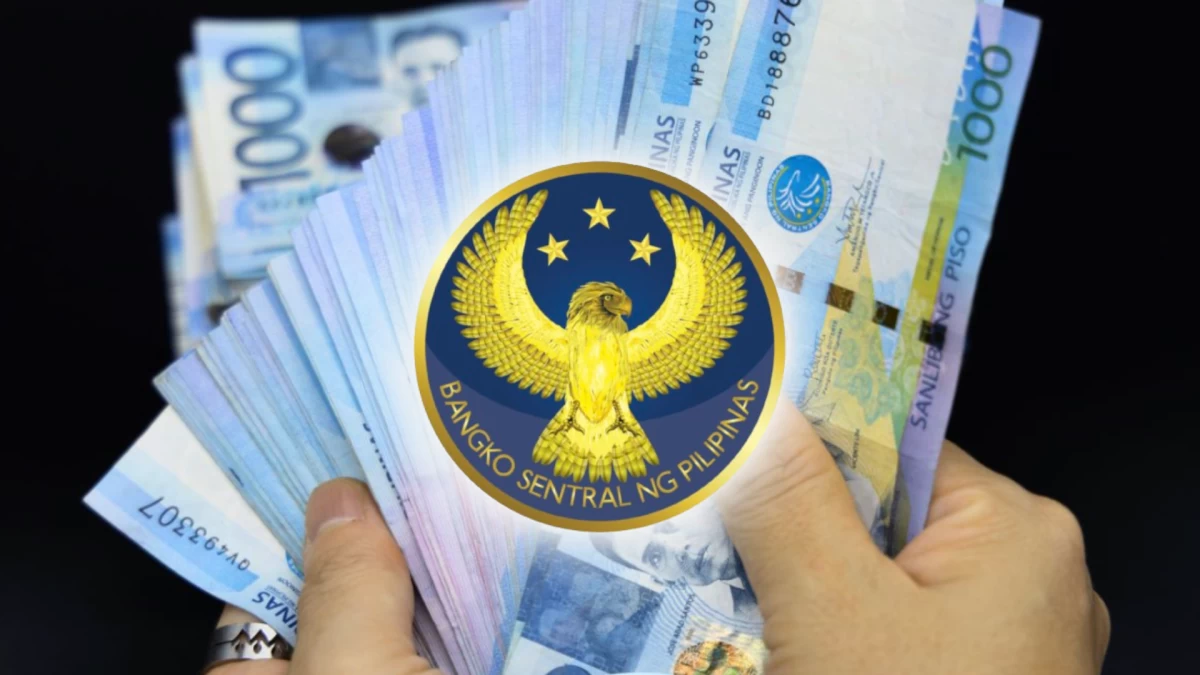
Counterfeit Philippine banknotes dropped 18.9 percent in the first six months of 2025 to 5.8 parts per million (ppm) as the Bangko Sentral ng Pilipinas (BSP) ramped up currency security measures.
According to the BSP’s latest discussion paper, the Philippine peso remained a reliable and secure payment instrument in the first semester of the year, as evidenced by consistently low counterfeiting rates, which declined by double digits from 8.1 ppm in the first half of last year.
“Counterfeit coin cases involving the BSP coin series increased, but their incidence remained minimal at below one ppm of genuine coins in circulation,” the BSP said, noting that the central bank is protecting the peso through stronger law enforcement cooperation, advanced forensics, stakeholder engagement, and public education.
As of end-August 2025, the ₱1,000 denomination accounted for 83 percent of the total value of banknotes in circulation and 41 percent in terms of volume. Combined with ₱500 banknotes, the two highest denominations comprised 93 percent of the total value and 51 percent of the total volume of banknotes in circulation.
To recall, the BSP called for targeted anti-counterfeiting campaigns in shopping malls, supermarkets, and wet markets after these locations emerged as the main sources of fake banknotes and coins recovered in 2024.
Most counterfeit notes were found in high-traffic areas, including shopping malls at 27.2 percent, supermarkets at 25.9 percent, and wet markets at 20.9 percent.
Meanwhile, removing high-value denomination banknotes could be seen as a potential solution to curb the surge in money-laundering activities, but the BSP said this is just an “inefficient policy choice.”
“Corrupt actors can ingeniously adapt by shifting to more sophisticated stores of value such as precious metals, shell companies, real estate, gold, and cryptocurrencies,” the BSP explained.
It added that any attempt to reduce the circulation of the ₱1,000 note could disrupt business operations. However, implementing this measure could offset the disadvantages if “reliable and widely accepted” digital payment alternatives complement such a move.
Despite the growth of digital payments, the BSP stressed that cash remains a trusted and essential payment method in the Philippines.
For the central bank, corruption and financial crimes could be tackled by lifting bank secrecy, strengthening technology-based financial monitoring, enforcing asset declarations, and regulating cash transactions.
Another measure the BSP recommended is digitizing government services—such as disbursements, collections, and procurement—to reduce discretionary power.