






Manila Bulletin
 Environment and Sustainability
From Rio to Belém, sustainability is built on discipline and persistence
Environment and Sustainability
From Rio to Belém, sustainability is built on discipline and persistence
Environment and Sustainability
From Rio to Belém, sustainability is built on discipline and persistence
From Rio to Belém, sustainability is built on discipline and persistence
Published Dec 30, 2025 12:34 am


Climate Reality Leader Keith Sigfred Ancheta attends COP30 in Brazil, representing nations most vulnerable to climate change.
In June 1992, the world convened in Rio de Janeiro for the Rio Earth Summit, laying the foundation for sustainable development and the international climate and environmental regimes.
The summit also gave birth to three major environmental treaties addressing the interconnected crisis of climate change, biodiversity loss, and desertification: the United Nations Framework Convention on Climate Change (UNFCCC), the United Nations Convention on Biological Diversity (UNCBD), and the United Nations Convention to Combat Desertification (UNCCD).
More than 30 years later, the UNFCCC returned to Brazil for the 30th session of the Conference of the Parties to the UNFCCC (COP 30), a symbolic full-circle moment for global climate diplomacy.
Much has happened since Rio. The UNFCCC entered into force and adopted two supplemental legal instruments to help achieve its objective of “stabilizing greenhouse gas concentrations in the atmosphere to prevent dangerous human interference with the climate system.” Countless promises followed—pledges that the world could change course and move toward the sustainable future envisioned at the Rio Summit.
But have these promises really been delivered? Are we really on a path towards sustainable development?
As delegates gathered for COP in Belém, Brazil, the Philippines was grappling with Typhoon Tino and Super Typhoon Uwan—back-to-back climate disasters that claimed lives and caused billions in agricultural losses.
On the other side of the world, Hurricane Melissa had just wreaked havoc in the Caribbean. These disasters should have served as a wake-up call for the global community. They did not.
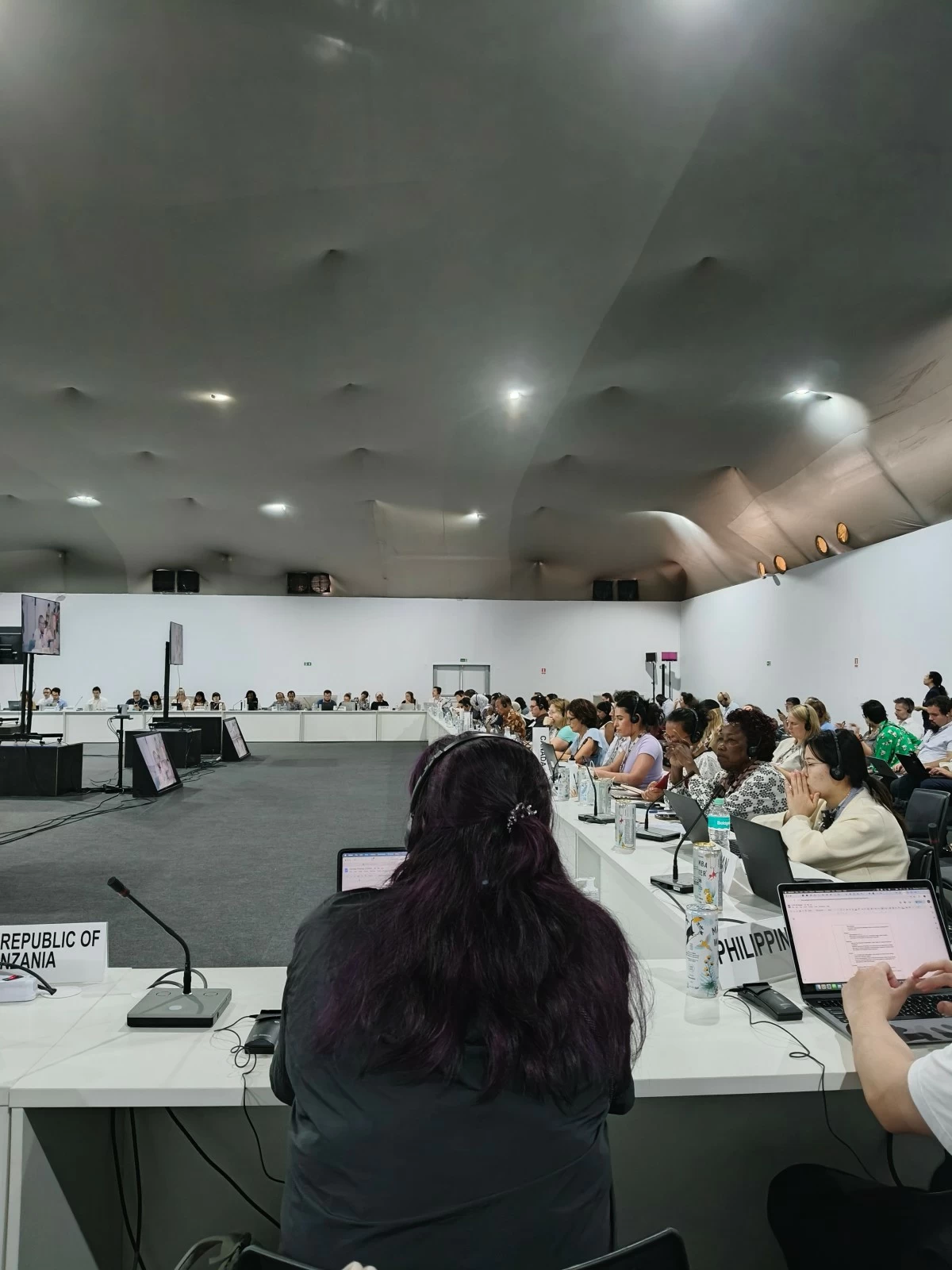
Dubbed the COP of Truth and the COP of Implementation, the summit raised expectations among climate advocates for meaningful policy outcomes.
The “COP of Truth”
The President of COP 30 labeled the summit the “COP of Truth” and the “COP of Implementation,” bold descriptions aimed at restoring trust in a multilateral process that many now view with skepticism. Throughout the two-week conference, the Brazilian Presidency urged negotiators to move beyond rhetoric, resolve the stalemates and work together to fully operationalize the Paris Agreement.
That call, however, appeared to resonate only with few.
According to the Kick Big Polluters Out coalition, around 1,600 fossil fuel lobbyists attended this year's COP, outnumbering most national delegations and observer groups, except those from the host country, Brazil. Unsurprisingly, the language on phasing out fossil fuels was weakened, with references ultimately removed from the final decisions after last-minute objections by several countries.
The conference also continued the cycle of sidelining the lived realities of the most vulnerable. While COP30 claimed to place Indigenous peoples at its core, many Indigenous leaders, particularly those protecting the Amazon, expressed a very different experience.

COP30 ends with unresolved issues on holding major emitters to account, though advocates remain hopeful about the conference’s outcomes.
The limits of Implementation
Translating climate targets into concrete and implementable policies is essential to achieving the goals of the Paris Agreement. Yet, implementation remains out of reach for many developing countries without adequate support in the form of climate finance, technology transfer and capacity development.
Since the adoption of the Paris Agreement, developing countries have fought hard for the fulfillment of commitments made by wealthier nations. These efforts have repeatedly fallen short—from the unmet $100-billion annual climate finance pledge to the unresolved debates surrounding the new climate finance goal adopted in Baku last year.
At COP30, developing countries tried different mechanisms to secure financing under Article 9.1 of the Paris Agreement, only to be met with a two-year work programme instead of concrete commitments. Other finance-related agenda items faced similarly difficult negotiations, complicated by lingering disagreements over the New Collective Quantified Goal (NCQG) and continued resistance from developed countries.
In this context, the labels attached to COP30 feel ironic. How can a summit be called a “COP of Truth” if it fails to confront the primary drivers of the climate crisis? How can it be a “COP of Implementation” when those affected are denied the means to act?
Nonetheless, COP30 delivered progress on several key agendas. Parties adopted a Just Transition Mechanism, the result of sustained advocacy to conclude the work of the Just Transition Work Programme. The mechanism aims to support communities in developing countries as they transition toward low-carbon and climate-resilient economies.
The Fund for Responding to Loss and Damage also launched its first call for funding through the Barbados Implementation Modality, marking an initial step toward addressing irreversible climate impacts.
Outside the negotiation rooms, civil society groups and Indigenous peoples acted as the conscience of the conference, holding decision-makers to account and pressing for climate justice. Activities organized both inside and outside the COP venue showcased local, community-led solutions to the climate crisis.
Philippine civil society organizations were particularly active, hosting side events on topics such as just transition, climate ambition, access to climate finance and accountability. Filipino delegates were among the visible voices—advocating for climate finance for the Global South, challenging systems that perpetuate conflict and injustice and pushing for the proposed Belem Action Mechanism on just transition.
From the People’s Summit to climate marches and other collective actions, these communities have shown that real power lies with people, and that meaningful change is possible when they act together.
More than three decades of climate multilateralism have passed. Progress has been slow and often disheartening, but the gains achieved over time are reminders that hope is not lost. It persists in the determination of those who continue to believe and work toward a just and sustainable world.