







Understanding the value of rest
Why you should learn to take a breather
Published Dec 29, 2025 09:03 am


At A Glance
- There is no shame in admitting you are exhausted and would rather rest than go to yet another party.
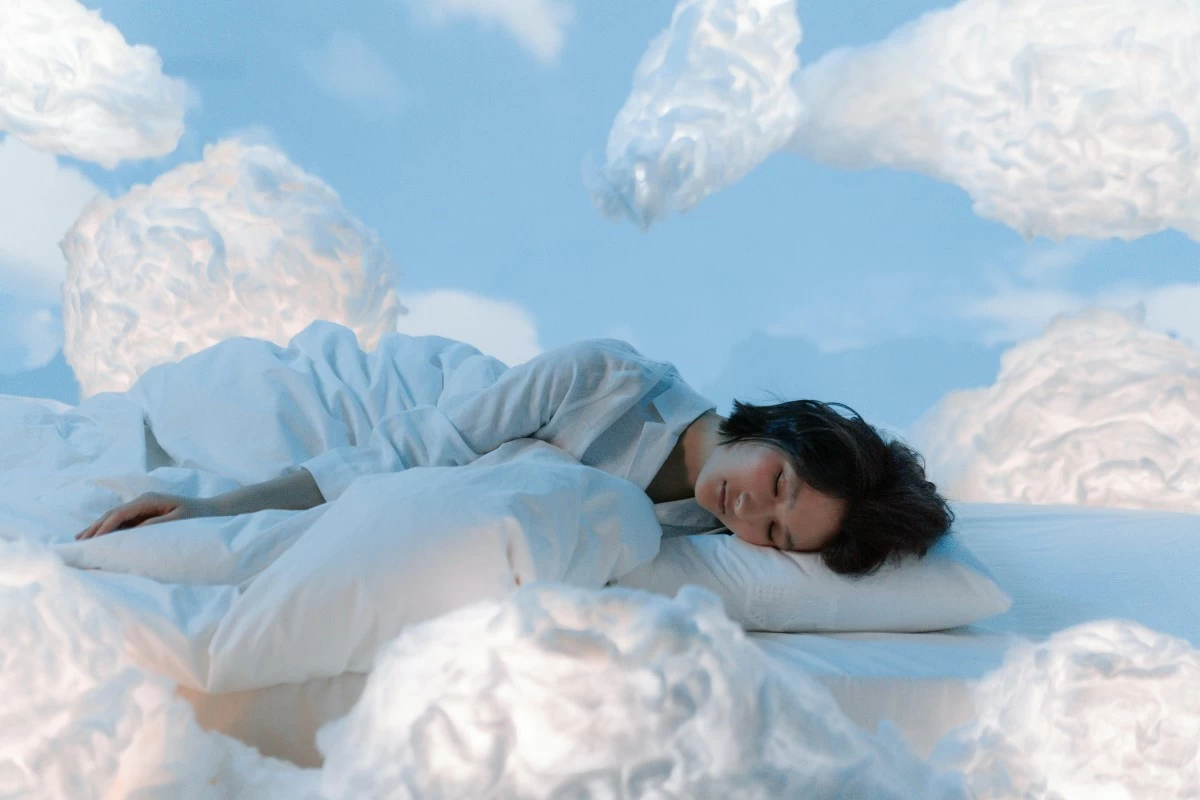
It is said that the Philippines has the longest Christmas season in the world. It begins in September and only ends after the Feast of the Three Kings in January of next year. Jose Marie Chan, peeking in toward the end of August, was already a meme before memes became a fad. I don’t know about you, but all these festivities are exhausting. A seemingly endless stream of parties and celebrations, the obligation to shop for gifts, and the need to work doubly hard to pay for mounting bills and to catch year-end deadlines take a toll as we get older. Add to that the hellish traffic and nightmare crowds in the malls and stores, and it’s easy to see how joy can get sucked out of what is supposed to be a happy time of year.
I don’t want to seem like the Grinch, but I can hardly get my recommended minimum of six hours of sleep a day during the holiday season. The last person who asked me whether I was going to join Simbang Gabi got such an earful that she never asked again. I’m sure many people feel the same way but are just too polite to say so, or they won the genetic lottery by having some sort of ultra-efficient metabolism inherited from their ancestors with centuries of natural selection behind it. For those of us who aren’t so naturally blessed, what then is the best way forward for the sleep-deprived and exhausted Filipino who just went through the gauntlet that is our holiday season?
As in many things, prevention is a much more energy-efficient coping mechanism. The most important life lesson you can ever learn is to say no. There is no shame in admitting you are exhausted and would rather rest than go to yet another party. Our social obligations, especially among people who live in the provinces outside Metro Manila, make it very difficult to say no to an invitation. You would get branded as a pariah and an ingrate. When I was growing up, we had to visit an endless stream of relatives during the holidays. We kids had to wait patiently for hours (with no devices, cellphones, or internet!) while the adults caught up on the latest news and gossip. We had our own share of visitors in our home, and kissing the cheek of yet another tito or tita whose name and relationship to our family I could not remember for the life of me became perfunctory. So perfunctory that at one point I mistakenly kissed someone’s driver because I thought he was one of my titos.
Fortunately, Gen Z has pushed back on these notions of mindless obligation, and it is now appropriate to beg off due to your mental health concerns. These concerns are very real, but were not an acceptable excuse when I was growing up. Our parents would not listen to or comprehend reasons like that. Gen Z excels at making their feelings heard, and while some older people think they complain too much, sometimes stoicism just gets you sick, tired, and abused.
Aside from mental health, physical exhaustion can take a toll on your body. Our bodies produce corticosteroids in response to stress. While corticosteroids can decrease inflammation and blunt exhaustion temporarily, the long-term effects of these stress hormones can cause people to gain weight, increase their risk for diabetes, and lower their resistance to infection. You can be literally working yourself to death by being stressed all the time. As someone who went through the institutionalized torture that was medical school in the 1990s, I probably lost more than a few life years from sleep-deprived nights and seeing an inhumane number of patients day in and day out.
If you want to go into the nitty-gritty of how stress affects your immune system, there have been numerous studies looking at the effects of this on individual components of immunity. T-cells, which are our body’s specialized soldiers for seeking virus-infected cells, are best generated when we are sleeping. Another type of immune cell, the natural killer (NK) cell (a very cool name, I think) that protects us from unknown threats even before the body recognizes them, is also produced when resting. Corticosteroids are toxic to NK cells and T-cells, and so having a lot of stress is a double whammy to the immune system. Fewer T-cells and NK cells are made, and the ones that are already there are attenuated by all the cortisol floating around.
How important are these cells? Aside from preventing new diseases, they also keep dormant diseases at bay. Infectious disease physicians like me see a lot of Filipinos with tuberculosis among working-age adults. While many Filipinos get exposed to tuberculosis in their childhood, a working immune system means that the body is able to control the infection and force it into dormancy. Some children do end up getting full-blown tuberculosis, and they get appropriate treatment for this, but most have what is appropriately known as latent TB. Too much stress, however, and the T-cells and NK cells start to slack off, and TB can reactivate and cause disease. Aside from treatment, we always advise our patients to get enough rest to recover so that the immune system can regenerate. We also remind them that TB can reactivate again and again, and if there aren’t any significant changes in the amount of stress one has to deal with, TB can easily relapse.
Another common disease that reactivates when the immune system isn’t doing well is shingles. When you first get chicken pox, the varicella virus that causes it never really leaves your body. It just hangs out in the dorsal root ganglion, which are clusters of nerves near your spinal cord. When the immune system is stressed, an outbreak of shingles can occur, which looks like chicken pox in a specific area of the skin. During the Covid-19 pandemic, lots of young doctors ended up with shingles due to the stress of taking care of patients. While shingles typically occurs in people above the age of 50, many young physicians get it due to exhaustion and high levels of stress hormones.
Getting enough rest and decreasing stress are essential to staying healthy. This can be done by knowing your limits and ensuring you get enough sleep. A good New Year’s resolution is to put your body first. I always tell people that they are of no use to anyone if they get sick. Everyone should recognize that it is okay to rest when you are tired, and that it is okay to say no when your health is at stake.