







No year-end recovery for infra spending—DBM
By Derco Rosal
Published Dec 29, 2025 12:00 am
|
Updated Dec 27, 2025 01:46 pm


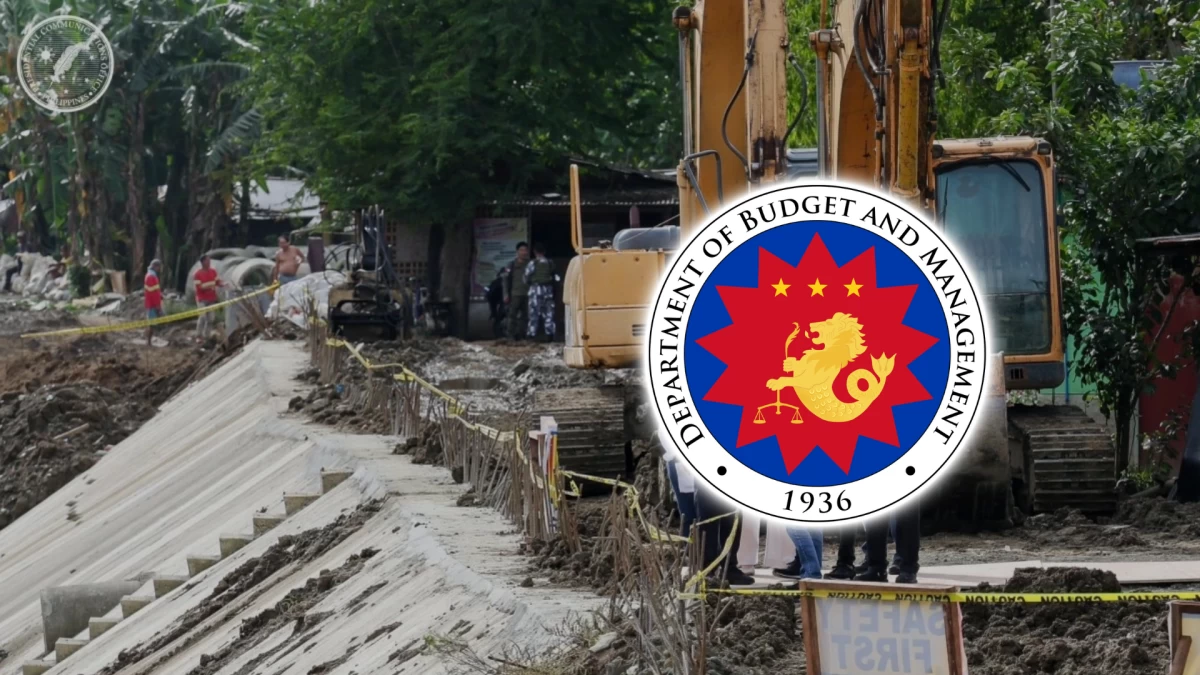
It appears that the fourth quarter does not bring a promise of a spending rebound on the infrastructure front amid the government’s redemption efforts by committing to tackling graft issues and improving both the probe and validations of existing flood control projects.
“Lower infrastructure spending is expected to continue to weigh on overall government disbursements for the rest of the quarter while the Department of Public Works and Highways (DPWH) boosts its efforts to address corruption issues, ramp up ongoing investigations and validations, and resume construction activities,” read the October disbursement report of the Department of Budget and Management (DBM).
This outlook stemmed from the drop in infrastructure spending in October, as it plunged by 40.1 percent to ₱65.9 billion from ₱110 billion in October 2024 on the back of persistent delays in project payments stemming from a continued squeeze on public infrastructure spending.
According to the DBM, the shrinking of spending during the month was mainly driven by the contraction of disbursements in the highly controversial DPWH, since the flood control corruption investigation began unfolding and exposing powerful government officials in September.
Contractors’ delayed payments “amid ongoing validation of the status of implementation and completion of flood control projects” were cited as a top contributor to this decline.
What was hindering the processing of payments, caused by delayed billings, was the delay in the renewal of contractors’ Philippine Contractors Accreditation Board (PCAB) licenses.
Additionally, final payments have yet to be released, as contractors were unable to secure tax clearance from the Bureau of Internal Revenue (BIR) in time.
From January to October, infrastructure and other capital outlays declined by ₱149.4 billion, or 13.7 percent, to ₱943 billion from ₱1.09 trillion in the same period in 2024.
Notably, the end-October figure stood at 69.9 percent of the programmed spending for the entire year at ₱1.35 trillion—equivalent to 4.8 percent of the country’s gross domestic product (GDP).
To address concerns on transparency, the DPWH launched a portal where details of infrastructure projects are disclosed, including procurement processes, project costs, locations, and a map view, with a feedback feature for reporting irregularities.
Ill-planned, “defective” flood-mitigating projects will also be terminated, according to the DBM. Projects that had been doubled in the 2026 proposed national budget were also deleted from all versions of the bill.
Executive Secretary Ralph G. Recto said the 2026 national budget is likely to be signed in the first week of January next year.
For a science-based and nature-based approach to the planning of future flood control projects, the DBM said the DPWH will make use of data available from the Department of Environment and Natural Resources (DENR) – Water Resources Management Office (WRMO) and other relevant agencies and private groups.