







DOLE: Advisory-led inspections return ₱2.45-B to workers
By Trixee Rosel
Published Dec 29, 2025 03:30 pm


At A Glance
- DOLE's advisory-led inspections recovered ₱2.45B in wages and benefits for over 835,000 workers in 2025.
- 33,007 establishments and 3.7 million workers were covered under the Labor Inspection Program.
- 168,100 Technical and Advisory Visits reached 315,560 workers, focusing on micro, small, and medium enterprises.
- Compliance with General Labor Standards rose to 94.53%, while Occupational Safety and Health Standards climbed to 90.06%.
- Labor inspections will continue nationwide, with priority on high-risk industries.
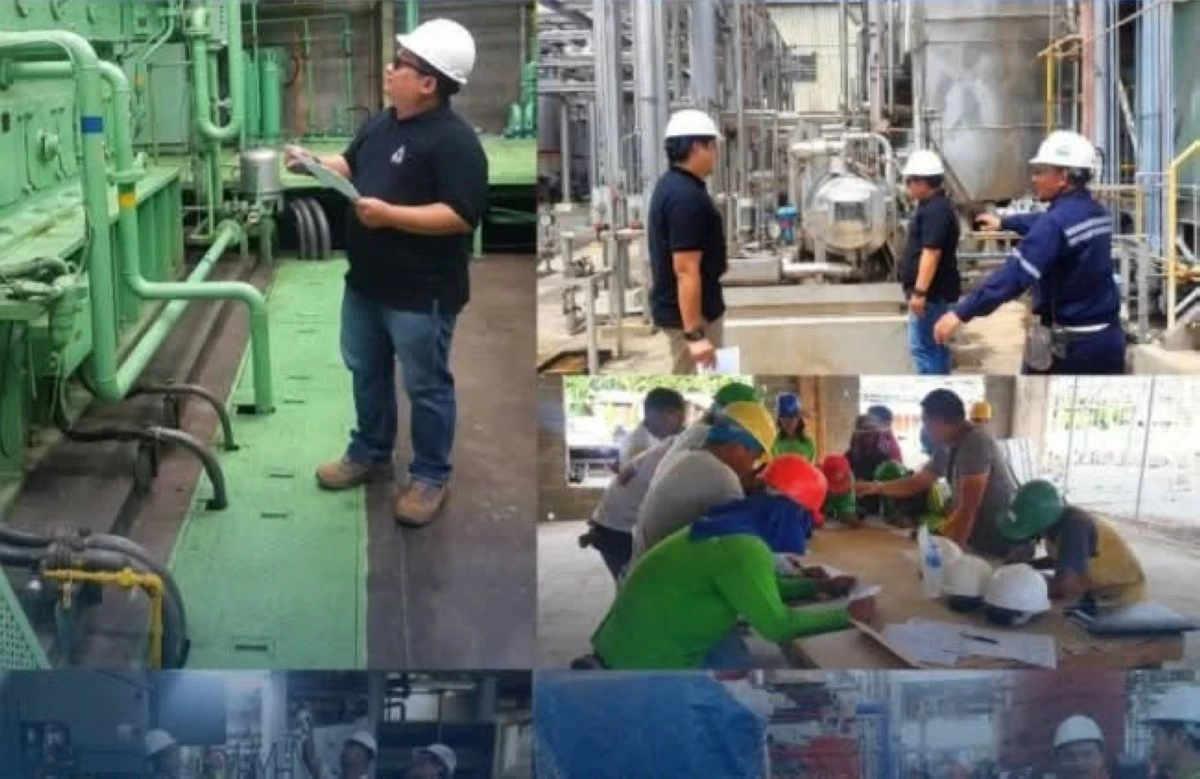
Field inspectors of the Department of Labor and Employment carry out on-site inspections to verify that establishments comply with labor and occupational safety standards. (File Photo/BWC)
The Department of Labor and Employment (DOLE) recovered more than ₱2.45 billion in wages and benefits for over 835,000 workers in 2025 through its expanded advisory-led inspection program nationwide.
Under the Labor Inspection Program, DOLE inspected 33,007 establishments covering about 3.7 million workers as of November.
These inspections were complemented by 168,100 Technical and Advisory Visits that reached 315,560 workers, with emphasis on micro, small, and medium enterprises.
Post-inspection outcomes showed a significant improvement in compliance with General Labor Standards, which rose to 94.53 percent from 79.87 percent following corrective measures.
Compliance with Occupational Safety and Health Standards also increased markedly, climbing to 90.06 percent from 63.42 percent after interventions.
As of November 2025, DOLE recorded full enforcement of labor standards cases nationwide.
Of the compliance orders issued, 88 percent have already been satisfied, reflecting broader adherence to lawful and safe working conditions.
To sustain compliance during emergencies, the department issued Labor Advisory No. 15, series of 2025, outlining labor-management preparedness and employers’ obligations.
DOLE highlighted inspections as a tool to promote compliance and shared responsibility.
Labor inspections will continue nationwide, with priority given to high-risk industries.