






Manila Bulletin
 Philippines
National
DOH logs 125 fireworks-related injuries, 414 road crashes from Dec. 21 to 29
Philippines
National
DOH logs 125 fireworks-related injuries, 414 road crashes from Dec. 21 to 29
Philippines
National
DOH logs 125 fireworks-related injuries, 414 road crashes from Dec. 21 to 29
DOH logs 125 fireworks-related injuries, 414 road crashes from Dec. 21 to 29
By Jel Santos
Published Dec 29, 2025 03:16 pm


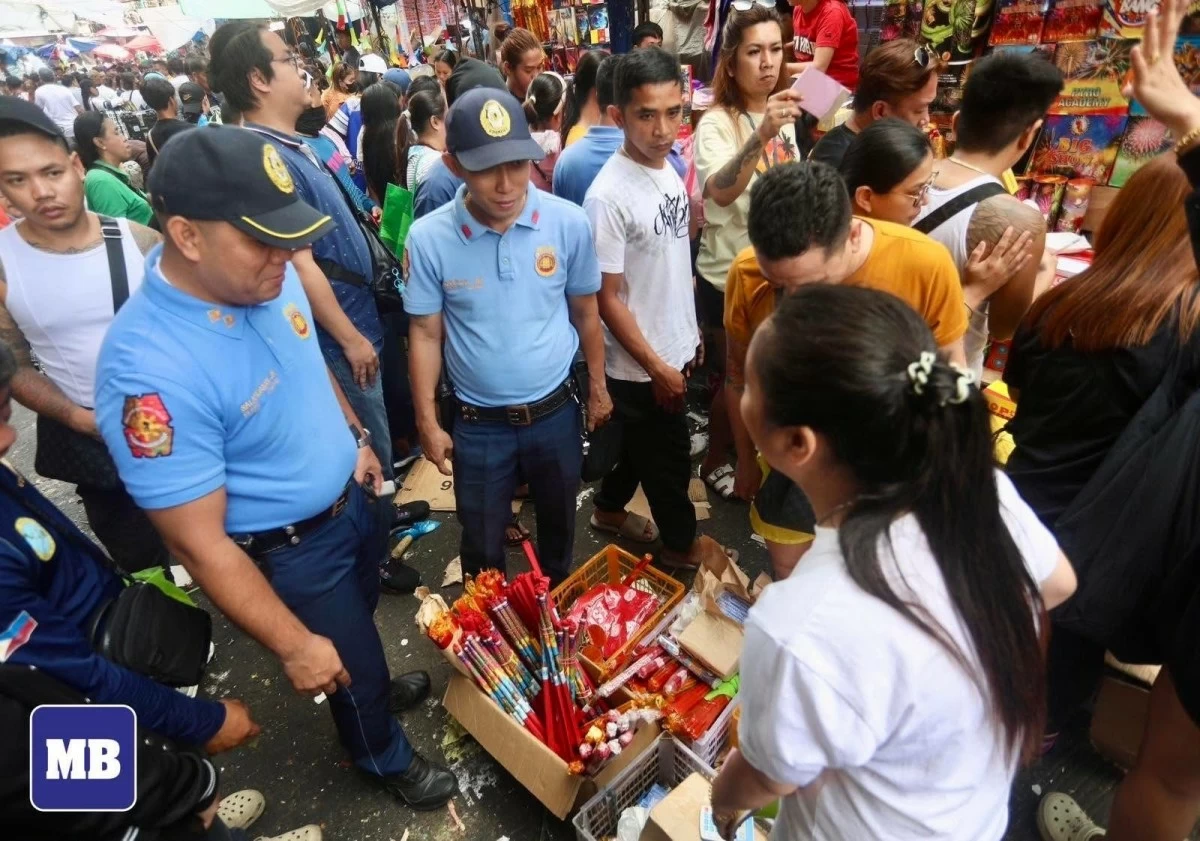
(MB FILE PHOTO)
Fireworks-related injuries nationwide reached 125 cases during the monitoring period from Dec. 21 to 29, which is 27 percent lower than the 171 cases recorded over the same period in 2024, the Department of Health (DOH) reported Monday, Dec. 29.
The DOH said the National Capital Region (NCR) logged the highest number of firework-related injuries with 57 cases, followed by the Ilocos Region (12) and Central Luzon (11).
Based on the agency’s data, boys aged 5 to 14 recorded the highest number of cases, with a total of 63.
The health department said the top causes of injuries were 5-Star firecrackers, followed by unknown fireworks, often involving passive victims who could no longer recall the device, then boga, kwitis, unlabeled or imported fireworks, and whistle bomb.
The DOH noted that kwitis and whistle bomb are legal fireworks sold by licensed dealers, but stressed that children should never be allowed to handle any fireworks, whether legal or illegal.
Road crashes
Alongside firework injuries, the health department reported 414 road crash injuries, which is 4.82 percent lower than figures recorded during the same period last year.
The regions with the most road crash cases were Region II, Region IV-A, and Region I, the DOH said.
DOH data showed that males aged 15 to 29 years old accounted for the largest share of cases, with motorcycles involved in 74 percent of incidents.
The agency added that 83 percent of those injured were not using safety accessories such as helmets or seatbelts, while 14 percent were intoxicated at the time of the crash.
Noncommunicable diseases
The DOH also logged 215 emergency cases involving noncommunicable diseases during the monitoring period.
Of these, 135 cases were due to acute stroke (brain attack), 56 involved acute coronary syndrome (heart attack), and 24 were linked to bronchial asthma.
The department said brain attack and heart attack cases were more common among males, while bronchial asthma cases were more frequent among females.
Meanwhile, the DOH reported 675 calls to the National Center for Mental Health (NCMH) Crisis Hotline 1553, with the highest volume recorded on Dec. 23.
The most frequent callers were young adults aged 18 to 30, followed by those 31 to 43 years old, with females comprising the majority.
The agency said top reasons for calling were anxiety and depressive symptoms, love or relationship problems, and family-related concerns.