







DA to procure 32,000 gilts for swine repopulation
Philippines to rebuild hog herd, cut pork prices
Published Dec 29, 2025 12:52 pm
|
Updated Dec 29, 2025 01:10 pm


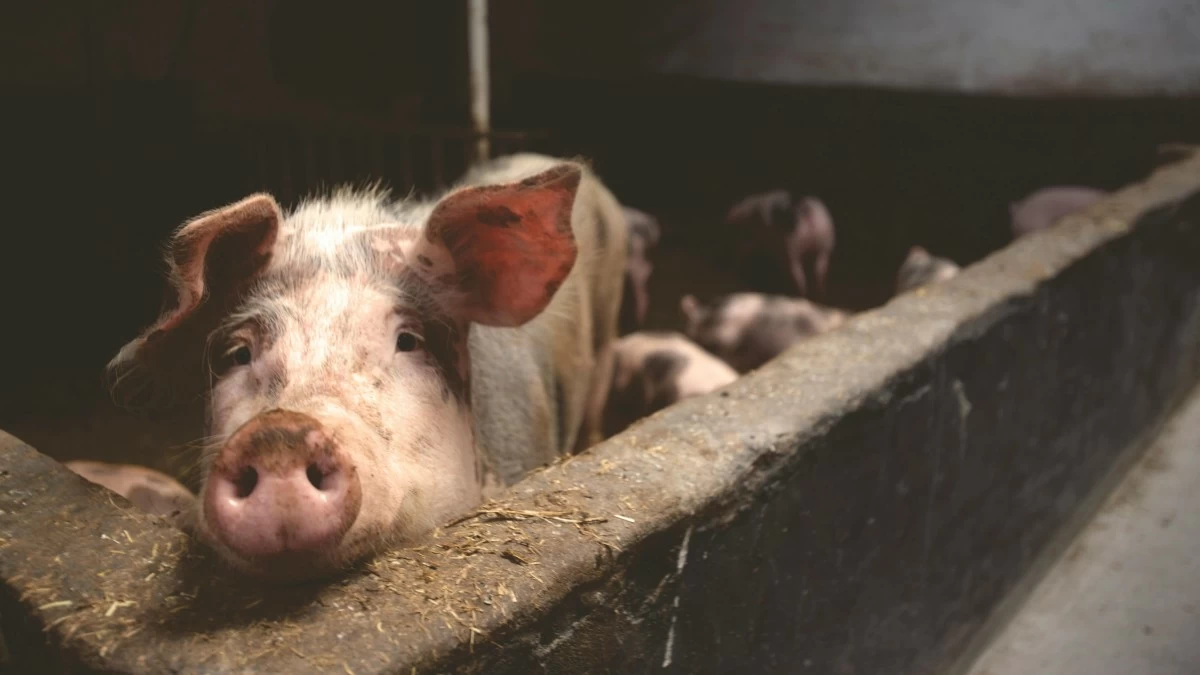
The Department of Agriculture (DA) is set to purchase 32,000 gilts next year as part of a broader government initiative to repopulate the local hog population to pre-African swine fever (ASF) levels.
Agriculture Secretary Francisco Tiu Laurel said the planned purchase is now in its pre-procurement stage, with the gilts, or female pigs that have not yet produced piglets, expected to be delivered by the second quarter of 2026.
Tiu Laurel said these breeder pigs will be procured from local breeders, although he noted that their genetic lines likely trace back to imported pigs.
While the DA is still finalizing the program, the policy direction is to distribute the gilts to medium- and large-scale farms that have the financial capacity and resources to raise a large number of pigs.
“The plan is that if these pigs are given to a large farm and they produce 10 piglets, the government will take three of them. The three will then be distributed to smaller farms. So it’s really a repopulation effort,” Tiu Laurel told reporters.
The DA Secretary said this initiative has already been earmarked as part of the agency’s proposed ₱1.6-billion swine repopulation program.
By 2027 and the succeeding year, the DA will ramp up the procurement of gilts to 100,000 per year. To support this expansion, it will harness the ₱20-billion Animal Competitiveness Enhancement Fund (AnCEF).
AnCEF, which is sourced from tariff collections, allocates 26 percent for repopulation and herd-building efforts. Of this, 70 percent is allotted for the hog sector.
The DA plans to purchase additional vaccines against ASF to support the program, ensuring that the reared pigs distributed to backyard farmers are also vaccinated.
The agency procured more than 500,000 Vietnam-made vaccines last year, with around 260,000 already injected. Tiu Laurel expects the rest to be inoculated by April next year, citing the reported 90-percent efficacy rate.
Even as the first approval of ASF vaccines for commercial use is expected by the first quarter, he said the government still plans to add two more brands to its vaccination program.
Tiu Laurel said these efforts are critical in the government’s three-year plan to rebuild the national hog inventory to its pre-ASF levels of around 14 million. Following the outbreak of the deadly disease in 2019, the hog population was slashed to approximately eight million.
“We need to restore the six million hogs over the next couple of years. Once we do that, the price of pork will drop to its former level before ASF,” he said.
Based on monitoring of Metro Manila markets, the average price of local pork liempo (belly) is ₱394.71 per kilo, while local pigue (ham) goes for ₱342.08 per kilo, as of Dec. 27.
Just before the detection of the first ASF case in 2019, the average price for liempo was ₱231.50 per kilo and kasim was at ₱208.50 per kilo—prices lower than today, although inflationary pressures should be taken into account.
Through hog repopulation, Tiu Laurel said the country will no longer rely on imports to support demand.
Based on data from the Bureau of Animal Industry (BAI), the country imported 632,991 metric tons (MT) of pork from January to September, up 22 percent from 517,860 MT in the same period last year.