






Manila Bulletin
 Opinion
When play becomes a problem: The quiet cost of mobile gaming in our classrooms
Opinion
When play becomes a problem: The quiet cost of mobile gaming in our classrooms
Opinion
When play becomes a problem: The quiet cost of mobile gaming in our classrooms
When play becomes a problem: The quiet cost of mobile gaming in our classrooms
Published Dec 28, 2025 12:05 am


By MHEL CEDRIC D. BENDO
Walk into any public high school in the Philippines, and the signs are there, even if they are easy to miss. A student struggling to stay awake in the back of the room. Another trying to finish homework during recess.
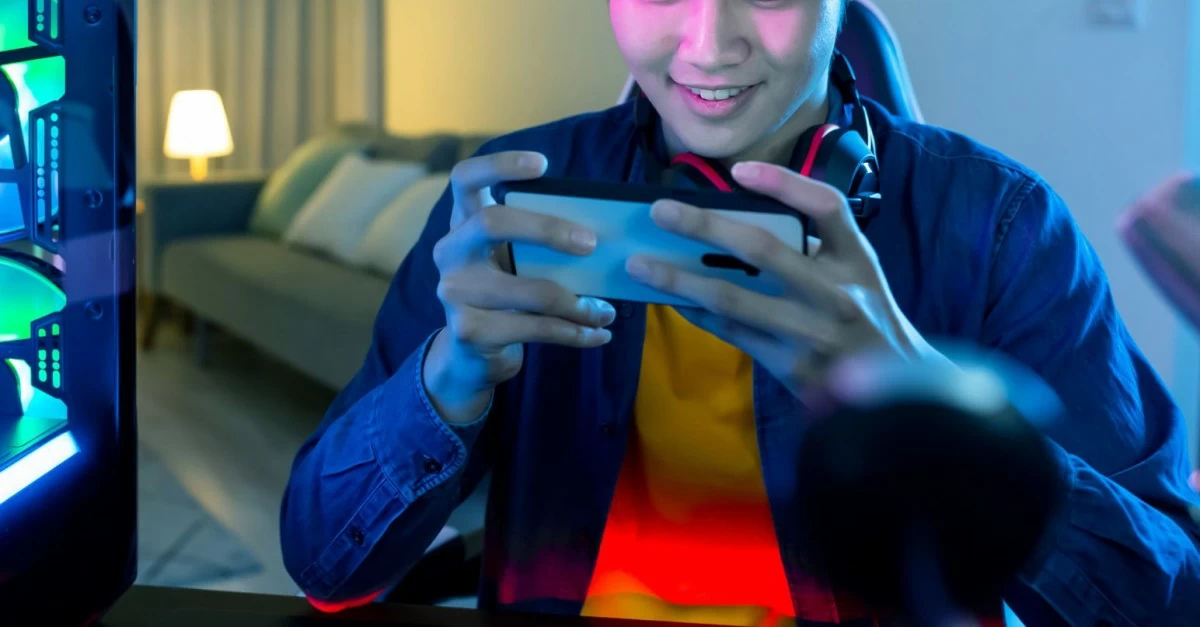
A phone surreptitiously hidden beneath a desk, glowing for just long enough for “one more game.” What appears to be harmless fun has started to influence a larger issue—a problem quietly manifesting in classrooms.
Mobile gaming has become an integral part of youth culture. It is convenient, cheap, and completely engrossing. For many students, it provides a temporary reprieve from the demands of education, tedium, or problems at home.
The trouble begins when gameplay extends well into the night and sleep is forfeited in the process. Research conducted among high school students in the Philippines verifies what most teachers and parents have long known: mobile gaming has become an unseen risk in the classroom.
This is not a trend that can be easily dismissed. The more time spent gaming, the worse the academic performance. This is in no way a result of a lack of intelligence or initiative on the part of the students.
Rather, the acquisition of knowledge is struggling to compete with exhaustion, distraction, and dwindling concentration. Students attest to late-night gaming sessions, coming to school exhausted and having trouble paying attention in class.
What adds to the complexity of this issue is that students are not ignorant about the implications either. Many students have no qualms about the fact that gaming impacts their performance in school, their health, as well as their routine.
Awareness does not always lead to control, however, because even the best intentions can be thwarted by the fact that mobile games are designed in such a way that they encourage frequent play.
This matters because adolescence is a crucial period in the development of a student, especially in the formation of habits regarding discipline and concentration.
When the new habits brought about by the constant need for stimulation overshadow the need for concentrated effort, there is a deterioration in learning, not only in terms of academic performance but also in terms of cognitive function.
The temptation is to lay the blame squarely at the feet of the young. But this is to miss the point. Mobile gaming takes place in a larger context, one that is influenced by technology, parental control, the school culture, and politics. It is impossible that a country where smartphones are more available than books should share no responsibility.
This is not a problem that schools can afford to treat lightly. Digital literacy education has to extend beyond merely learning how to use technology. It has to include instruction on when to walk away from it. Counseling services need to be educated on the potential wellness risk of over gaming as a function of stress and self-regulation.
However, parents continue to be the best gatekeepers. Drawing limits on the time spent gaming, especially on school nights, is not being restrictive; it is being concerned. More importantly, discussions on why children withdraw into games can provide insight into possible academic stress, anxiety, or emotional exhaustion that may require attention.
The point, however, is not that mobile games are somehow destructive in and of themselves. Moderate use can provide pleasure and community. The problem lies with unrestricted use, where fun quietly replaces rest, responsibility, and reflection. In other words, when students give up sleep for screens, education becomes collateral damage.
Learning in the digital age is more than just having devices and connectivity. We need guidance, balance, and a collective sense of responsibility. If we do not teach our youth how to manage technology, then technology will manage them.
The challenge for us is simple but urgent: to ensure games remain a break in learning—not a barrier to it.

MHEL CEDRIC D. BENDO
(Mhel Cedric D. Bendo is a student researcher at the Polytechnic University of the Philippines whose work focuses on education, student behavior, and the impact of digital technology on learning in Philippine schools.)