







Lessons from 2025: Family, faith, and the pressure to change
Published Dec 28, 2025 12:05 am
|
Updated Dec 27, 2025 03:12 pm


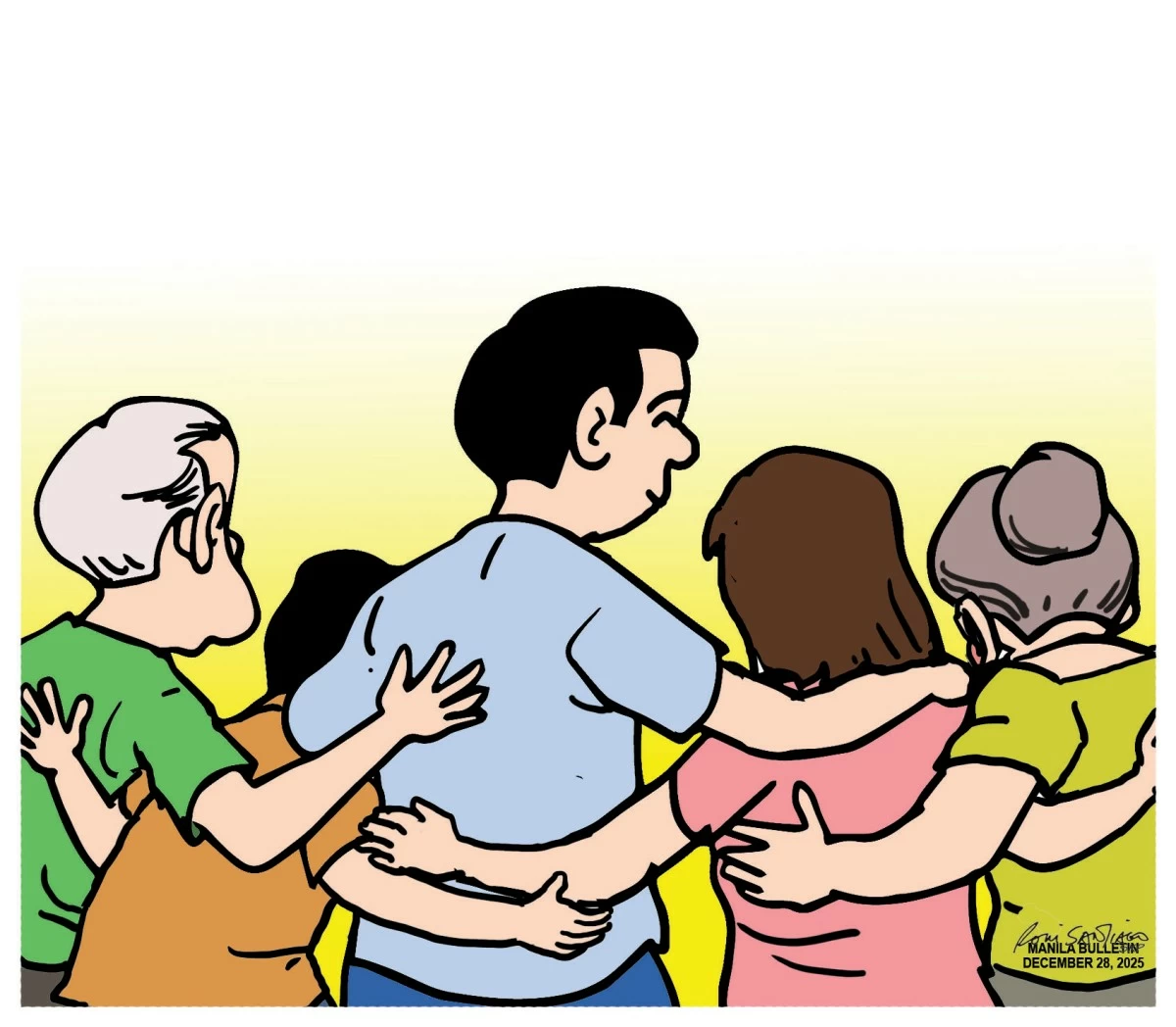
On this Sunday, Dec. 28, the Church marks the Feast of the Holy Family, a fitting moment to reflect on the lessons of the year now ending. In homes across the country, families have been the first refuge amid uncertainty. They absorbed the shocks of rising prices, extreme weather, and fragile systems, often quietly and without recognition. In 2025 many Filipinos were reminded, again, that family remains the most reliable safety net when everything else falls short.
Family also became the place where lessons were processed. Around dinner tables and late-night conversations, worries were shared, plans adjusted, and hopes recalibrated. When floods entered living rooms, relatives offered shelter. When jobs were lost or budgets tightened, families found ways to stretch what little they had. The year reaffirmed an old truth: strong families do not erase hardship, but they make endurance possible.
Beyond the home, 2025 taught a familiar lesson: adaptation. People adjusted once more to unpredictable weather, shifting work arrangements, and rapid technological change. Resilience, often praised in speeches, was practiced in ordinary routines—commuting longer, budgeting tighter, and learning new skills simply to keep going. Yet this resilience was not limitless, and its constant demand exposed deeper cracks.
One of those cracks appeared whenever patience was tested by systems that failed repeatedly. Traffic stalled, waiting for customer service to answer a phone call stretched endlessly, and floods followed even short downpours. What people endured was not only inconvenience, but the cumulative burden of inefficiency normalized over time. Patience, in this sense, became less a virtue than a coping mechanism.
The most unsettling lesson of 2025 came from corruption, especially in public infrastructure. Reports of ghost projects and substandard flood control works struck hard because their consequences were visible and immediate. When promised protections fail, homes are damaged, livelihoods disrupted, classes suspended, and families displaced. Corruption ceased to be abstract; it arrived as water inside houses and losses ordinary citizens could not absorb.
Still, 2025 offered a quiet counter lesson: the power of attention. More citizens began asking questions about projects in their communities. Where was the drainage system that had been funded? Why did flooding persist? Accountability remains uneven, but questioning matters. Silence allows failure to settle in; scrutiny, however limited, creates pressure for change.
Another lesson involved limits. The year exposed the cost of constant strain—the belief that endurance must never pause. Slowly, rest regained value as a necessity, not a luxury. Families learned that care for one another requires boundaries as much as effort.
The Feast of the Holy Family invites this broader reflection. Mary, Joseph, and Jesus lived ordinary lives shaped by uncertainty, responsibility, and trust. Their example reminds us that strong families and just societies are built not on endurance alone, but on integrity, care, and accountability.
As 2025 ends, the lesson is clear. What we tolerate becomes routine. What we question creates pressure for change. Strengthened by family, faith, and shared experience, the challenge ahead is not only to endure, but to insist on systems worthy of the people who rely on them.
Looking ahead, the coming year will test whether these lessons endure. Elections, budgets, and rebuilding efforts will once again demand public trust. Families will continue to adjust, but adaptation should not excuse neglect.
Remembering the hardships of 2025, citizens must keep asking where resources go, who benefits, and who bears the cost. Only sustained attention, grounded in shared values, can turn endurance into reform, patience into progress, and lessons into lasting change for communities, institutions, and future generations.