






Manila Bulletin
 Philippines
National
House, Senate to ratify 'historic' P6.793-T budget for 2026 on Monday
Philippines
National
House, Senate to ratify 'historic' P6.793-T budget for 2026 on Monday
Philippines
National
House, Senate to ratify 'historic' P6.793-T budget for 2026 on Monday
House, Senate to ratify 'historic' P6.793-T budget for 2026 on Monday
Published Dec 28, 2025 11:01 am


At A Glance
- The House of Representatives and Senate are set to ratify on Monday, Dec. 29 the Bicameral Conference Committee (bicam) report on the 2026 General Appropriations Bill (GAB)--Congress' final act on the measure before it is sent to Malacañang for President Marcos' signature.
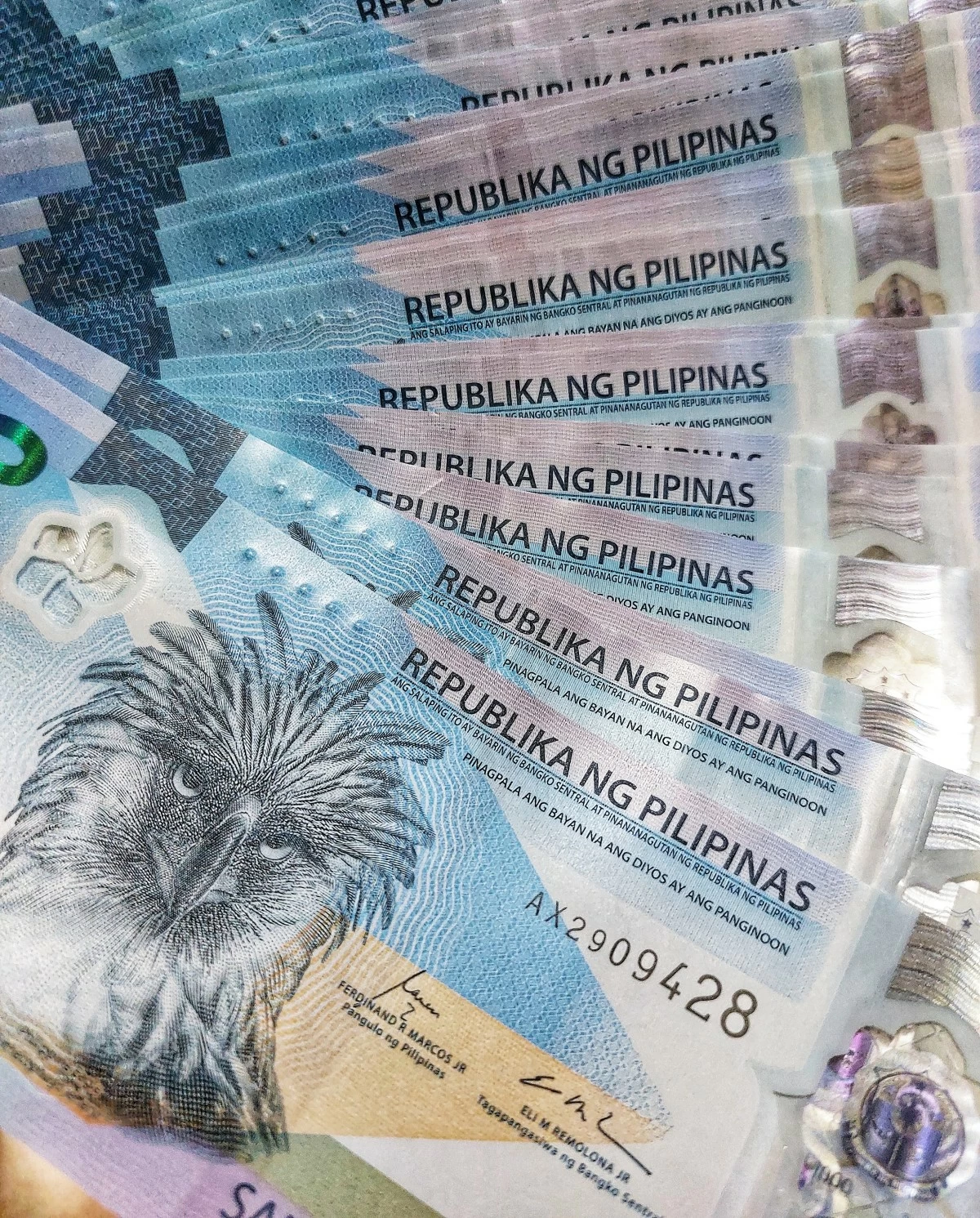
(MANILA BULLETIN)
The House of Representatives and Senate are set to ratify on Monday, Dec. 29 the Bicameral Conference Committee (bicam) report on the 2026 General Appropriations Bill (GAB)--Congress' final act on the measure before it is sent to Malacañang for President Marcos' signature.
The House led by Speaker Faustino "Bojie" Dy III will hold plenary session at around 2 p.m. to facilitate the ratification of the P6.793-trillion GAB--the biggest in the country’s history. The Senate is expected to do the same.
Ahead of the ratification, House Committee on Appropriations Chairperson Nueva Ecija 1st district Rep. Mikaela Angela "Mika" Suansing and Senate Committee on Finance Chairperson Senator Sherwin Gatchalian are expected to sign the bicam report at 4 p.m. Sunday.
The ceremonial signing will take place at the Philippine International Convention Center (PICC), where the House and Senate contingents held the marathon bicam hearings on the 2026 GAB between Dec. 13 and 18. Suansing and Gatchalian led the House and Senate contingents, respectively.
Since Dec. 18, the bicam secretariat has been racing to harmonize the numbers and language in the GAB based on the consolidation of the House and Senate versions of the bill that took place in the hearings. The voluminous document also had to be printed.
The House and Senate will suspend sessions shortly after the ratification of the bicam report, effectively kicking off their annual holiday break. Congressmen and senators won't convene again until Jan. 26, 2026.
The year's budget process was among the most contentious and most scrutinzed in history, since it was carried out amid public outrage over the flood control projects corruption scandal.
These anomalous projects--which facilitated millions, if not billions worth of kickbacks to lawmaker-proponents--demonized the concept of budget insertions and triggered an overhaul at the Department of Public Works and Highways (DPWH).
To accommodate the extended budget deliberations, the legislative calendar was adjusted twice; Dec. 17 was originally the final session date of the year, but was moved to Dec. 22.
The tight window for the bicam report preparation then led to the Dec. 29 session, where the ratification will take place.
Historic
Despite these hitches, the House leadership believes that the 2026 GAB is both responsive to the needs of Filipinos and is free of "pork barrel"--discretionary funds that are prone to corruption.
The bicam hearings were described as "historic" in that they were livestreamed for the first time. Usually, these are held behind closed doors.
“The 2026 National Budget is therefore not a pork barrel budget, nor does it contain pork barrel appropriations, as it fully complies with constitutional standards of transparency, specificity, and accountability,” House Assistant Majority Leader Lanao del Sur 1st district Rep. Zia Alonto Adiong earlier said.
For his part, Speaker Dy said the GAB was historic, "not only because the process was transparent, but because the priorities were clear. It is a budget shaped by love for country, a deep understanding of our people’s realities, and genuine compassion for our kababayan (countrymen)".
He noted that education received the largest allocation in Philippine history, equivalent to 4.1 percent of gross domestic product (GDP), with more than 25,000 classrooms set for construction or rehabilitation and full funding restored for the Universal Access to Quality Tertiary Education program.
On health care, Dy said the budget strengthens the Philippine Health Insurance Corp. (PhilHealth) and the Medical Assistance to Individuals and Financially Incapacitated Patients (MAIFIP) program to support zero-balance billing for indigent patients in public hospitals.
The House leader said agriculture funding was also boosted to support farmers and fisherfolk through farm-to-market roads, irrigation, mechanization, crop insurance and subsidies.
“Ang badyet na ito ay hindi lamang mga numero sa papel. Ito ay pagkain sa hapag, gamot sa ospital, at edukasyong magbubukas ng pinto sa mas maliwanag na bukas (This budget is not just numbers on paper. It is food on the table, medicine in the hospital, and education that will open the door to a brighter future),” Dy said.