






Manila Bulletin
 Philippines
National
DOH records 112 fireworks-related injuries; NCR logs highest number
Philippines
National
DOH records 112 fireworks-related injuries; NCR logs highest number
Philippines
National
DOH records 112 fireworks-related injuries; NCR logs highest number
DOH records 112 fireworks-related injuries; NCR logs highest number
By Jel Santos
Published Dec 28, 2025 01:47 pm


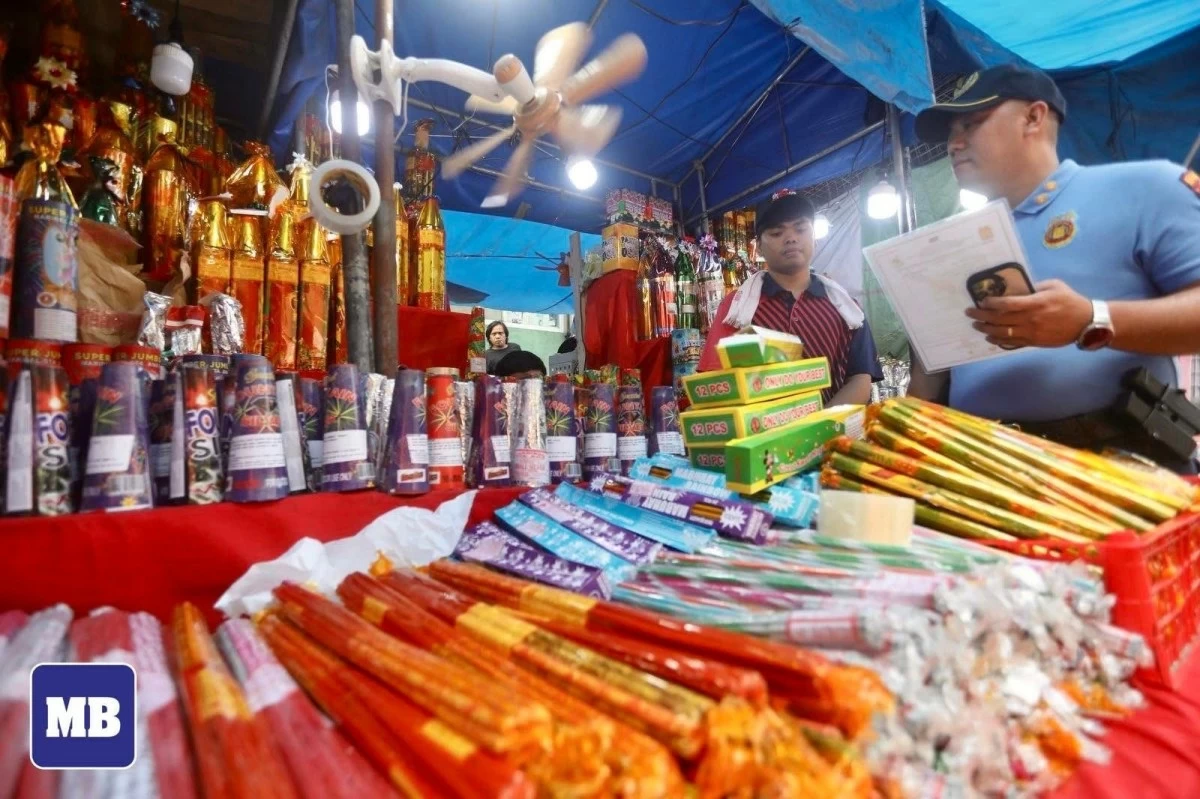
(MB FILE PHOTO)
Firework-related injuries nationwide reached 112 cases during the monitoring period from Dec. 21 to 28, the Department of Health (DOH) said in its latest holiday summary report.
The agency noted that the National Capital Region (NCR) still logged the highest number of firework-related injuries at 52 cases, followed by Ilocos Region (12), Central Luzon (9), and Western Visayas (9).
The health department said males aged 5 to 14 years old accounted for the highest number of cases at 55 during the monitoring period.
Based on the DOH breakdown, the top causes of injuries were 5-Star firecrackers, followed by unknown fireworks, in cases where patients could no longer recall the device involved, often because they were passive victims.
Other causes included boga, kwitis, and piccolo, pla-pla, and whistle bomb, the agency added.
Alongside firework injuries, the DOH also reported 376 road crash injuries during the same monitoring period.
The regions with the most cases were Region II, Region IV-A, and Region V, the health department noted.
Road crash data of the agency showed that the largest number of cases involved males aged 15 to 29 years old, with 73 percent involving motorcycles.
The DOH added that 84 percent were not using safety accessories, while 13 percent were intoxicated at the time of the crash.
Meanwhile, the department also recorded 190 cases of noncommunicable disease emergencies, dominated by acute stroke or brain attack (118) and acute coronary syndrome or heart attack (49), with bronchial asthma accounting for 23 cases.
It added that brain attack and heart attack cases were more common among males, while asthma cases were higher among females.
On mental health concerns, the DOH said the National Center for Mental Health (NCMH) Crisis Hotline 1553 received 612 calls during the period, peaking on Dec. 23.
Data showed that most callers were young adults aged 18 to 30, followed by those 31 to 43 years old, with females comprising the majority.
The leading reasons for hotline calls were anxiety and depressive symptoms, love or relationship problems, and family-related concerns, the report stated.