







5 Stranger Things moments that hit close to home
Published Dec 28, 2025 08:13 pm


When you think of Stranger Things, you probably picture Demogorgons, epic 80s fashion, and Kate Bush saving the day. But every real Stranger Things fan knows that at its core, without the monsters and the mayhem, the hit series is a story about love.
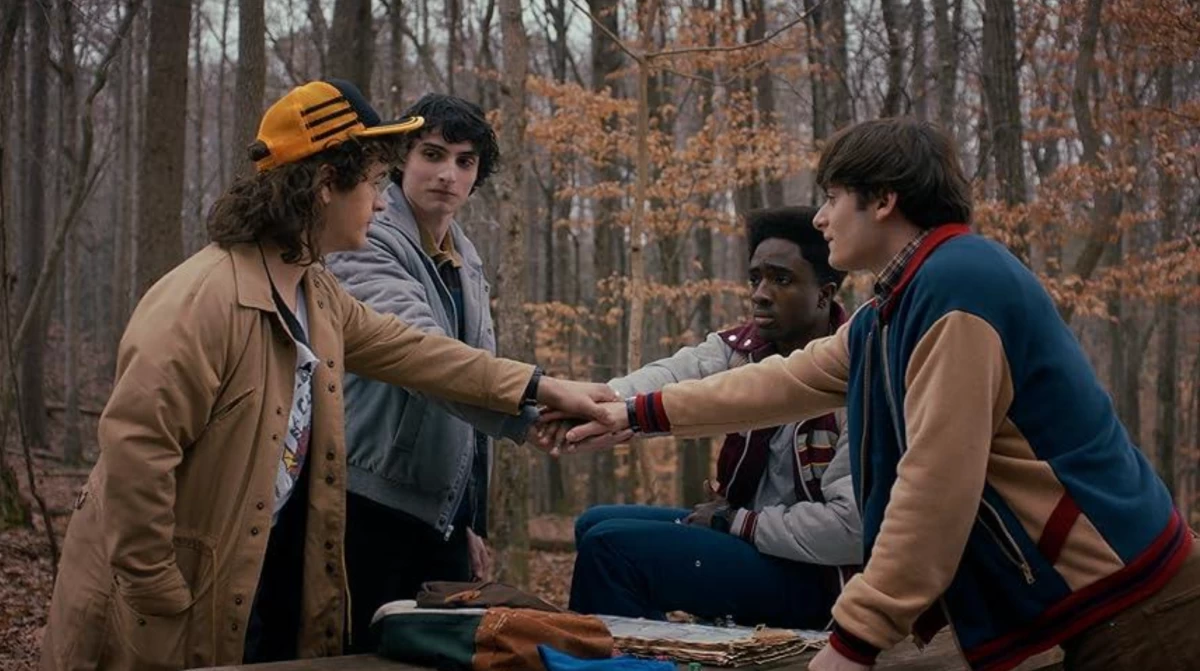
From the first flicker of the Byer’s iconic Christmas lights back in 2016 to the most recent heart-stopping moments in its top-trending fifth season, the Duffer Bros’ entire masterpiece is a testament to the power of family, friendship, and sheer courage combined. Here’s a recap of the best moments that truly stick – the ones that remind us why we root for our band of everyday heroes and why they always find a way to survive.
Spoiler alert!
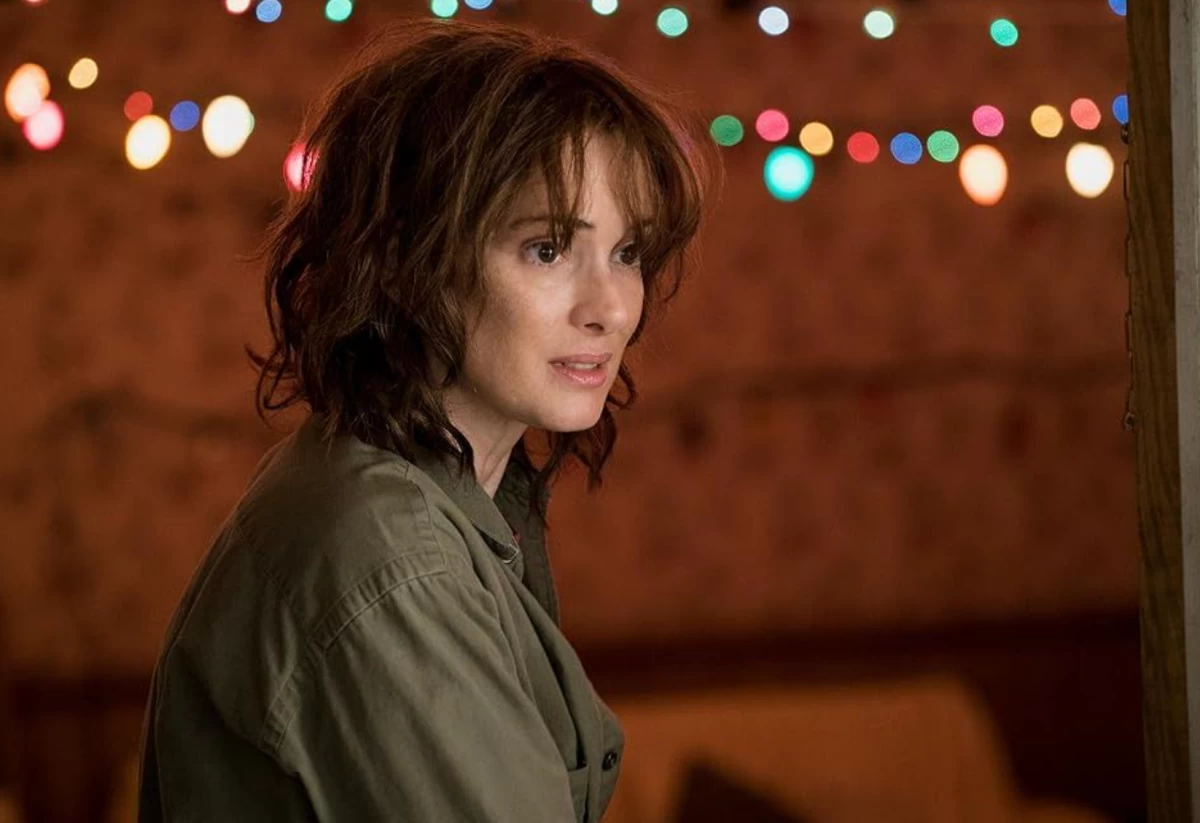
1. Finding the light (Season 1, Episode 3: “Holly, Jolly”)
One of the show’s first iconic moments goes all the way back to its premiere run. After days of grieving and being told she’s delusional, Joyce Byers (Winona Ryder) finally connects with her missing son Will (Noah Schnapp) from the Upside Down. Using a wall covered in painted letters and tangled Christmas lights, she realizes the terrifying, beautiful truth: Will is alive.
This scene is the genesis of the show’s central theme: family ties transcend dimensions. Joyce refuses to accept the world's logic, relying purely on a mother’s intuition. Her fierce, protective love for Will turns a mundane suburban home into a supernatural Ouija board, and herself into the medium. It's this devil-may-care display of unconditional love that grounds the entire series in emotional reality.
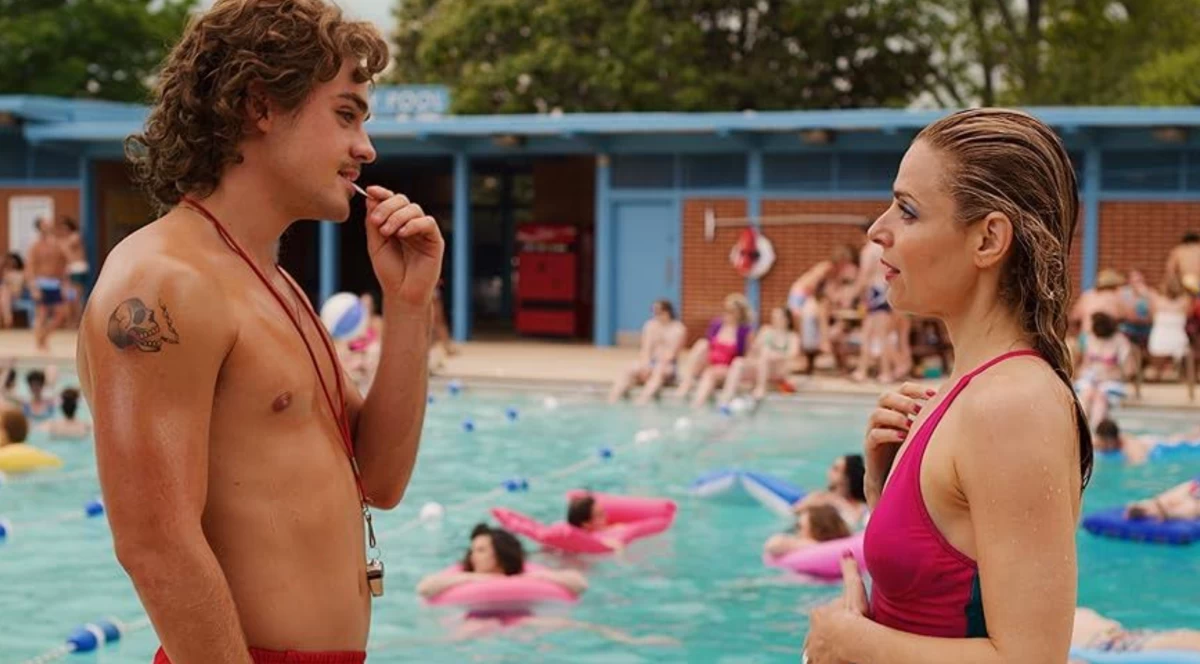
2. Billy’s redemption (Season 3, Episode 8: “The Battle of Starcourt”)
Billy Hargrove (Dacre Montgomery) is introduced as a bully on campus and a volatile stepbrother at home. But possessed by the Mind Flayer, he finds himself face-to-face with Eleven (Millie Bonnie Bongiovi). When El reaches into his memories and reminds him of his loving mother, he breaks free of the Flayer’s control for a precious moment and sacrifices himself, taking the brunt of the monster’s attack to save El and the rest of the kids.
This unexpected act of heroism is a devastating lesson in compassion. It proves that even the most damaged person has a core of pure good that can be awakened by love – in this case, El’s empathy and his own lingering childhood memory. It’s a tragic, powerful conclusion to his character arc that reinforces that anyone, even a villain, can choose to be an everyday hero.
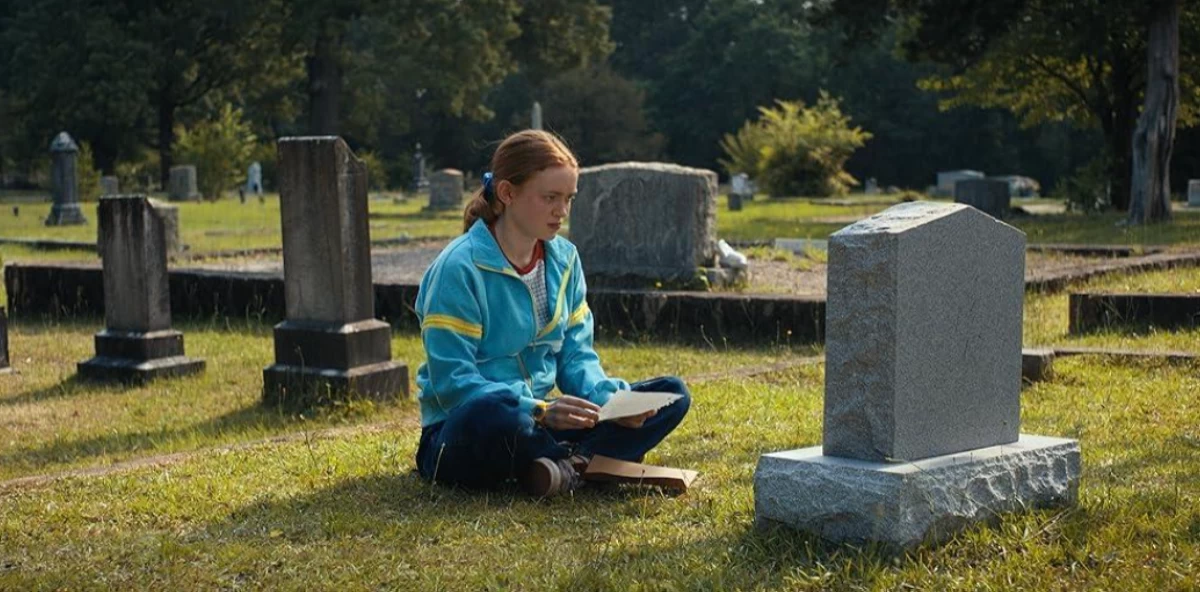
3. Max’s run to “Dear Billy” (Season 4, Episode 4: “Dear Billy”)
Trapped in Vecna’s (Jamie Campbell Bower) psychic prison, Max Mayfield (Sadie Sink) is moments from death. As Vecna feasts on her grief, Max’s friends – Mike (Finn Wolfhard), Dustin (Gaten Matarazzo), Lucas (Caleb McLaughlin), and Steve (Joe Keery) – race against time in the real world to play her favorite song, Kate Bush’s iconic “Running Up That Hill.” Hearing the music, a lifeline thrown by the power of friendship, she finds the strength to run, breaking Vecna’s hold and rocketing back to her body.
This scene is the ultimate affirmation of love as the driving force, on top of being a fantastic musical sequence. (It has become legendary in the real world, too, inspiring so many memes online!) Max is saved not by superpowers, but by the determined, loud, physical devotion of her friends. It showed that even when facing down ultimate trauma, you are never truly alone if you have your chosen family to pull you back.

4. Hopper’s letter to Eleven (Season 3, Episode 8: “The Battle of Starcourt”)
Following Chief Jim Hopper’s (David Harbour) presumed death in the Starcourt Mall explosion, Joyce finds the heartfelt speech he wrote for Eleven and Mike – a letter he planned to use to talk to them about navigating coming of age, setting boundaries, and growing up. The contents of the letter are read aloud in a tear-jerking voiceover.
Though he's gone, Hopper's voice echoes the difficulty of fatherhood and the universal truth of letting go. His message to El about keeping the door open three inches shows the complexity of their unique family ties and his struggle to protect her while allowing her to grow. It’s a bittersweet moment that defines their bond, only to be made sweeter when they finally reunite later in Season 4.

5. Will's new power and Mike's pep talk (Season 5, Part 1: "Sorcerer") As the final confrontation begins in Part 1 of Season 5, Will struggles with the emotional weight of his lifelong connection to Vecna. Just before the group attempts a risky tunnel mission, Mike pulls Will aside to remind him that his power – his empathy, his ability to feel the danger – is an innate, sorcerer-like strength, not a weakness.
This pep talk, coupled with Robin's earlier advice to Will, unlocks a new ability in Will, allowing him to command Demogorgon-like entities during the subsequent battle telepathically. This scene is the ultimate payoff for Will's long journey of coming of age and the "chosen family" theme. Will had felt sidelined and traumatized, but Mike’s unconditional love and belief transformed his greatest fear – his connection to the Upside Down – into his greatest strength. It’s a powerful moment of emotional validation where friendship quite literally saves the day and turns a survivor into a champion.
Stream the final season (or rewatch the entire saga) this holiday season only with PLDT Home Fiber Netflix Plan 1599. (Robert Requintina)