

ADVERTISEMENT

Raymond Lauchengco finds another way to tell his story with 'Dance With The Wind'

Published Dec 27, 2025 01:22 am
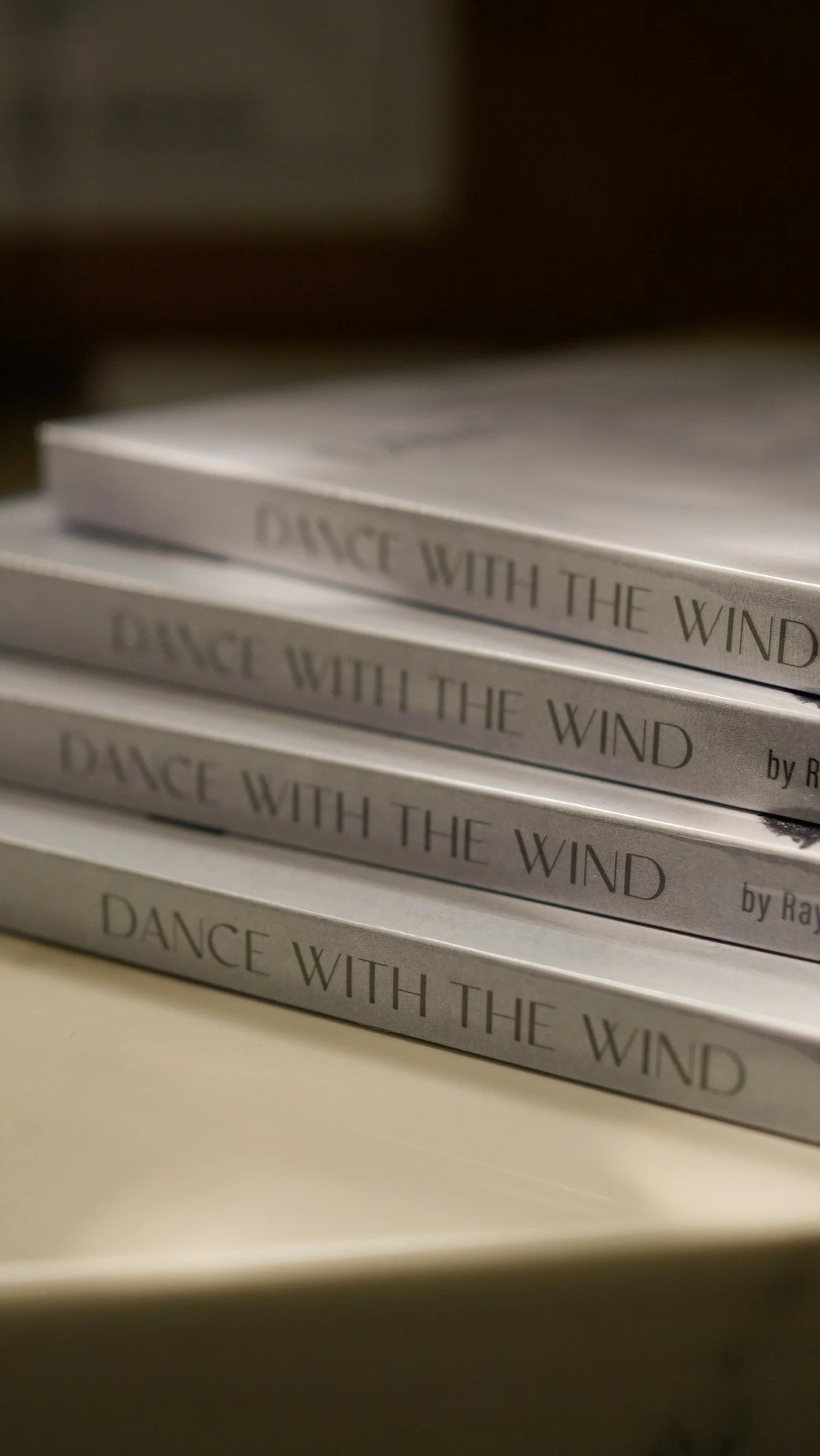
At 60, Raymond Lauchengco is still discovering new ways to tell his story. Known for decades as one of Original Pilipino Music (OPM)’s most beloved balladeers, he has added a new chapter to his creative life with “Dance With The Wind: Stories from the Stillness,” his first published book.
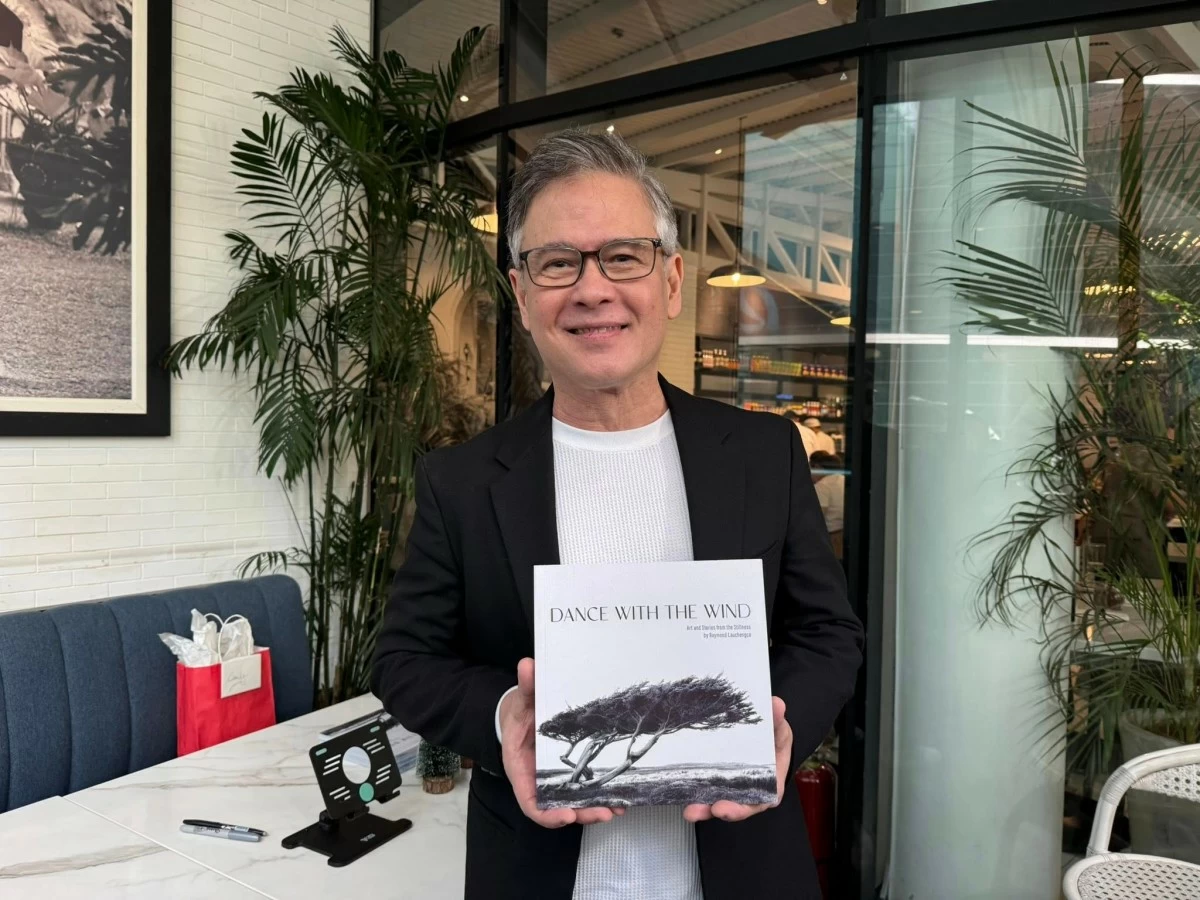
Raymond Lauchengco and his book
Raymond Lauchengco and his book "Dance With The Wind"
Launched on Dec. 12, 2025, at Breakfast at Antonio’s in Robinsons Magnolia, the book brings together Raymond’s short stories, essays, poems, photographs, and images of his artworks. The collection was born during the Covid-19 pandemic, a period of profound stillness that forced him to slow down, reflect, and create in ways he never expected.
“If somebody had told me before that one day I’d have a book, I would have laughed in disbelief,” Raymond told Manila Bulletin Lifestyle. Writing was never part of his long-term plan. Survival was.
Creating through crisis
The pandemic arrived with a cascade of personal losses. Even before the first lockdown, his sister was hospitalized, his wife contracted Covid-19, his father passed away from a stroke, and his professional bookings disappeared one after another.
“I know myself. I’m prone to anxiety and depression,” he shared. “So I told myself, if you don’t keep yourself busy and positive, that’s scary.”
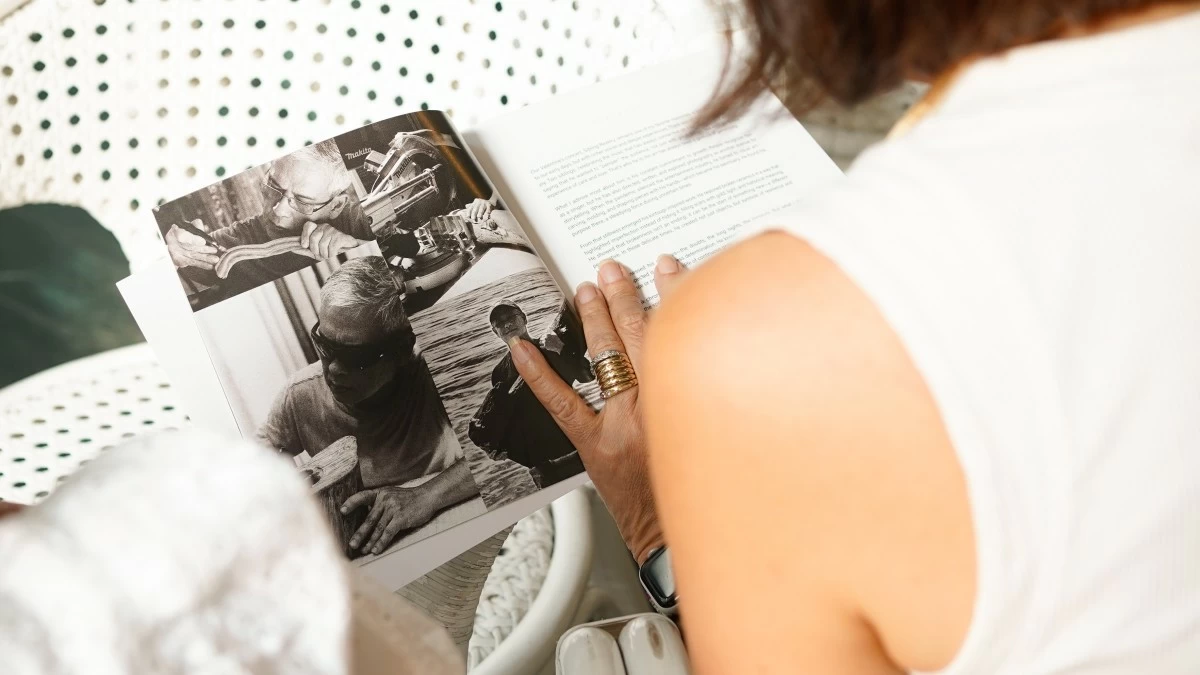
He turned first to making art with his hands. Over the course of the pandemic, Raymond created nearly 150 pieces, ranging from sculpture and functional art to furniture. The physical act of creating helped ground him during a time when everything else felt uncertain.
Soon after, he began writing. Almost every day, he put words on paper, not with the intention of becoming an author, but simply to lift his own spirits. “I wanted to motivate myself, to inspire myself, so I wouldn’t drown in uncertainty,” he explained.
From social media to the page
With face-to-face interactions gone, Raymond shared his work online. He photographed his artworks, paired them with short reflections, and posted them on social media. What began as a personal exercise slowly found an audience.
“Little by little, people started to catch on,” he recalled. Readers told him his words resonated with them. Some encouraged him to turn the posts into a book.
The vulnerability of those early writings is what gives “Dance With The Wind” its emotional core. The forced stillness of the pandemic allowed him to hear his own voice more clearly. “We all suddenly had time,” he said. “In that solitude, you become aware of your thoughts and feelings.”
Raymond said he fell in love with what words could do, how they could capture fleeting emotions and unspoken fears. He never set out to be a writer and still prefers to call himself a storyteller. “Not everything I wrote was good,” he admitted. “But some of it stood out because it came from a very vulnerable place. It was honest. It was me.”
Vulnerability as connection
That honesty, he believes, is what connects the book to its readers. Raymond was never afraid of opening himself up because he sees his experiences as universal. “What I feel is not exclusive to me,” he said. “Everybody goes through it. I just put it into words.”
Instead of distancing people, vulnerability became a bridge. Readers recognized their own fears, hopes, and losses in his stories. “When people read the words, it validates their own feelings,” he said. “You realize we all go through the same things.”
In an era where technology and artificial intelligence are increasingly shaping how stories are produced, Raymond remains firm in his belief in the human voice. Technology, he says, can be helpful as a tool, but it should never replace the human spirit.
A book of hope
While “Dance With The Wind” marks a milestone as Raymoind’s first book, he sees it less as a personal achievement and more as something meant to be shared. His hope is that it continues to offer what it gave him during the pandemic: motivation, hope, inspiration, and a voice for emotions many struggle to express. Dreams, he believes, do not come with an expiration date.
“Dance With The Wind” is available through Raymond Lauchengco’s official website and serves as a quiet reminder that even in stillness, there is movement, and even in silence, there is song.

Related Tags

Luminaries Raymond Lauchengco
ADVERTISEMENT
.most-popular .layout-ratio{ padding-bottom: 79.13%; } @media (min-width: 768px) and (max-width: 1024px) { .widget-title { font-size: 15px !important; } }

{{ articles_filter_1561_widget.title }}

.most-popular .layout-ratio{ padding-bottom: 79.13%; } @media (min-width: 768px) and (max-width: 1024px) { .widget-title { font-size: 15px !important; } }

{{ articles_filter_1562_widget.title }}

.most-popular .layout-ratio{ padding-bottom: 79.13%; } @media (min-width: 768px) and (max-width: 1024px) { .widget-title { font-size: 15px !important; } }

{{ articles_filter_1563_widget.title }}

{{ articles_filter_1564_widget.title }}

.mb-article-details { position: relative; } .mb-article-details .article-body-preview, .mb-article-details .article-body-summary{ font-size: 17px; line-height: 30px; font-family: "Libre Caslon Text", serif; color: #000; } .mb-article-details .article-body-preview iframe , .mb-article-details .article-body-summary iframe{ width: 100%; margin: auto; } .read-more-background { background: linear-gradient(180deg, color(display-p3 1.000 1.000 1.000 / 0) 13.75%, color(display-p3 1.000 1.000 1.000 / 0.8) 30.79%, color(display-p3 1.000 1.000 1.000) 72.5%); position: absolute; height: 200px; width: 100%; bottom: 0; display: flex; justify-content: center; align-items: center; padding: 0; } .read-more-background a{ color: #000; } .read-more-btn { padding: 17px 45px; font-family: Inter; font-weight: 700; font-size: 18px; line-height: 16px; text-align: center; vertical-align: middle; border: 1px solid black; background-color: white; } .hidden { display: none; }
function initializeAllSwipers() { // Get all hidden inputs with cms_article_id document.querySelectorAll('[id^="cms_article_id_"]').forEach(function (input) { const cmsArticleId = input.value; const articleSelector = '#article-' + cmsArticleId + ' .body_images'; const swiperElement = document.querySelector(articleSelector); if (swiperElement && !swiperElement.classList.contains('swiper-initialized')) { new Swiper(articleSelector, { loop: true, pagination: false, navigation: { nextEl: '#article-' + cmsArticleId + ' .swiper-button-next', prevEl: '#article-' + cmsArticleId + ' .swiper-button-prev', }, }); } }); } setTimeout(initializeAllSwipers, 3000); const intersectionObserver = new IntersectionObserver( (entries) => { entries.forEach((entry) => { if (entry.isIntersecting) { const newUrl = entry.target.getAttribute("data-url"); if (newUrl) { history.pushState(null, null, newUrl); let article = entry.target; // Extract metadata const author = article.querySelector('.author-section').textContent.replace('By', '').trim(); const section = article.querySelector('.section-info ').textContent.replace(' ', ' '); const title = article.querySelector('.article-title h1').textContent; // Parse URL for Chartbeat path format const parsedUrl = new URL(newUrl, window.location.origin); const cleanUrl = parsedUrl.host + parsedUrl.pathname; // Update Chartbeat configuration if (typeof window._sf_async_config !== 'undefined') { window._sf_async_config.path = cleanUrl; window._sf_async_config.sections = section; window._sf_async_config.authors = author; } // Track virtual page view with Chartbeat if (typeof pSUPERFLY !== 'undefined' && typeof pSUPERFLY.virtualPage === 'function') { try { pSUPERFLY.virtualPage({ path: cleanUrl, title: title, sections: section, authors: author }); } catch (error) { console.error('ping error', error); } } // Optional: Update document title if (title && title !== document.title) { document.title = title; } } } }); }, { threshold: 0.1 } ); function showArticleBody(button) { const article = button.closest("article"); const summary = article.querySelector(".article-body-summary"); const body = article.querySelector(".article-body-preview"); const readMoreSection = article.querySelector(".read-more-background"); // Hide summary and read-more section summary.style.display = "none"; readMoreSection.style.display = "none"; // Show the full article body body.classList.remove("hidden"); } document.addEventListener("DOMContentLoaded", () => { let loadCount = 0; // Track how many times articles are loaded const offset = [1, 2, 3, 4, 5, 6, 7, 8, 9, 10]; // Offset values const currentUrl = window.location.pathname.substring(1); let isLoading = false; // Prevent multiple calls if (!currentUrl) { console.log("Current URL is invalid."); return; } const sentinel = document.getElementById("load-more-sentinel"); if (!sentinel) { console.log("Sentinel element not found."); return; } function isSentinelVisible() { const rect = sentinel.getBoundingClientRect(); return ( rect.top < window.innerHeight && rect.bottom >= 0 ); } function onScroll() { if (isLoading) return; if (isSentinelVisible()) { if (loadCount >= offset.length) { console.log("Maximum load attempts reached."); window.removeEventListener("scroll", onScroll); return; } isLoading = true; const currentOffset = offset[loadCount]; window.loadMoreItems().then(() => { let article = document.querySelector('#widget_1690 > div:nth-last-of-type(2) article'); intersectionObserver.observe(article) loadCount++; }).catch(error => { console.error("Error loading more items:", error); }).finally(() => { isLoading = false; }); } } window.addEventListener("scroll", onScroll); });

Sign up by email to receive news.