






Manila Bulletin
 Philippines
National
PALACE YEARENDER: Flood control scandal, reform push emerge as defining test of Marcos' governance this 2025
Philippines
National
PALACE YEARENDER: Flood control scandal, reform push emerge as defining test of Marcos' governance this 2025
Philippines
National
PALACE YEARENDER: Flood control scandal, reform push emerge as defining test of Marcos' governance this 2025
PALACE YEARENDER: Flood control scandal, reform push emerge as defining test of Marcos' governance this 2025
Published Dec 26, 2025 02:22 pm


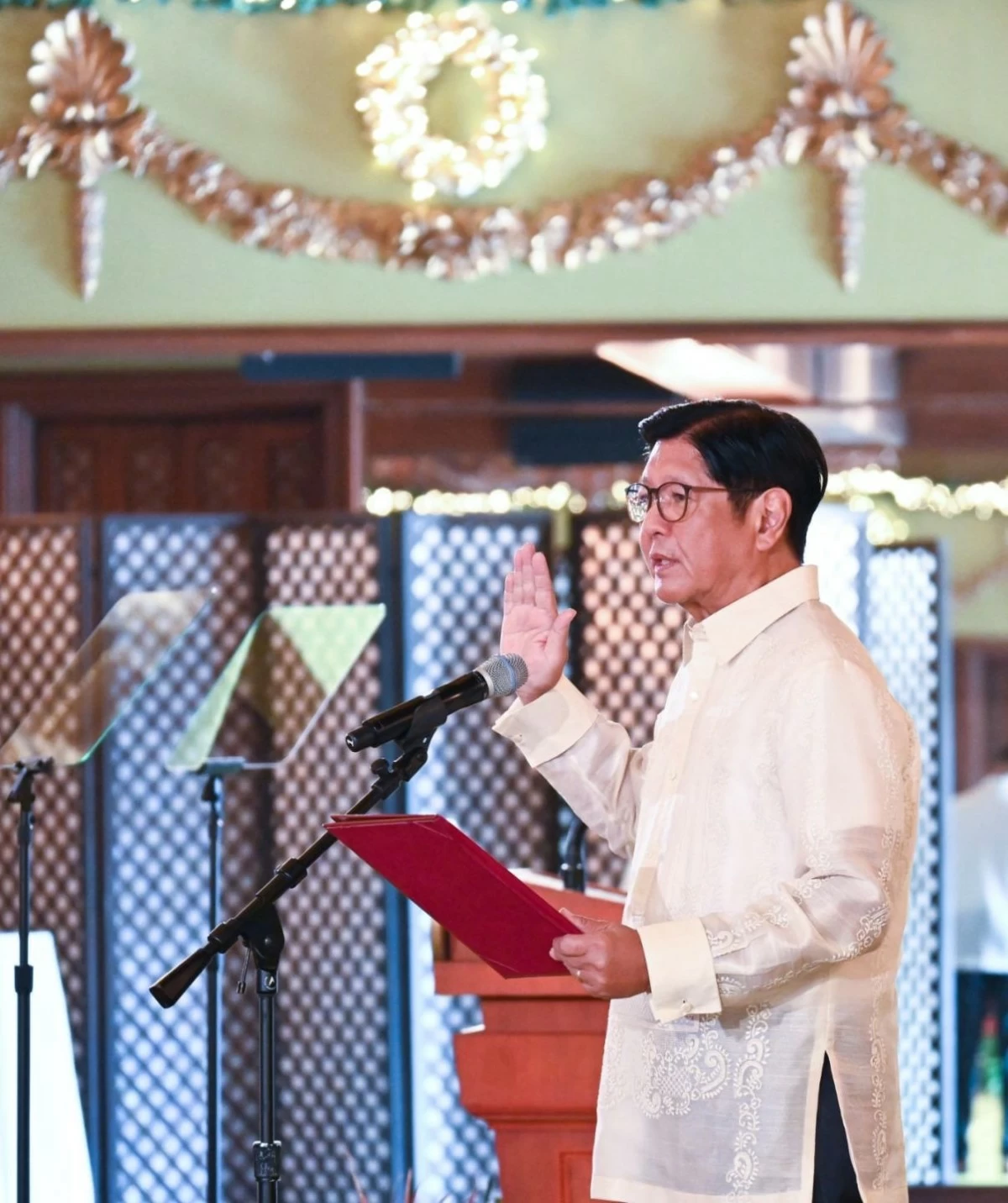
Corruption has long been the shadow that has loomed over every administration, but 2025 forced President Marcos to confront it head-on.
The flood control scandal that shook political blocs, triggered international manhunts, and tested whether his promise of a “cleaner government” could withstand the weight of painful truths.
The year marked a series of decisive actions by the President as he initiated and pursued accountability in public office by going after individuals linked to anomalous projects, underscoring a firm commitment to clean and transparent governance.
During his fourth State of the Nation Address (SONA) on July 28, Marcos strongly condemned anomalous flood control projects, saying, “Mahiya naman kayo sa inyong kapwa Pilipino (Have some shame toward your fellow Filipinos)!” and calling out systemic corruption and demanding accountability.
Since then, the Chief Executive personally inspected flood control projects, intensifying his administration’s crackdown on corruption, ordered the recovery of public funds, and encouraged public participation through the launch of the “Sumbong sa Pangulo” website and the Department of Public Works and Highways (DPWH) Transparency Portal.
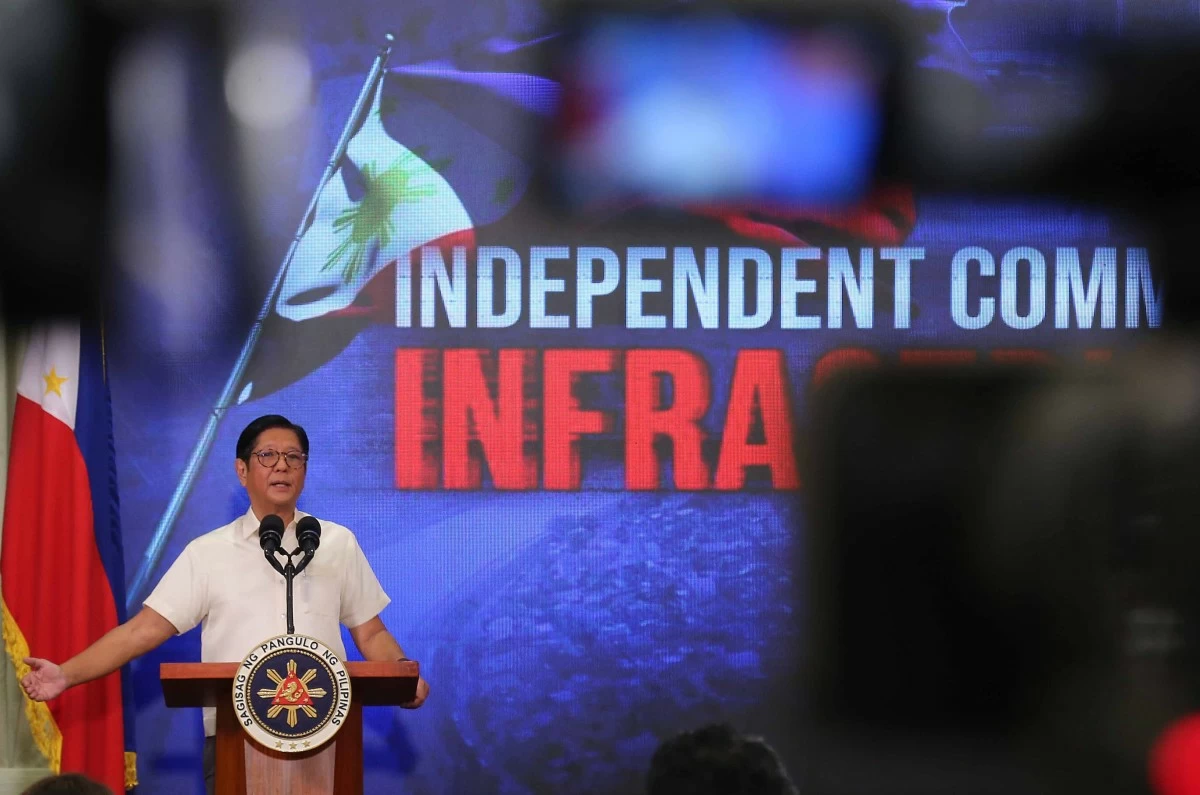
President Ferdinand R. Marcos Jr. speaks during a press conference at Kalayaan Hall, Malacañang Palace, Manila, on Sept. 15, 2025, announcing retired Supreme Court Justice Andres Reyes Jr. as chair of the new Independent Commission for Infrastructure (ICI) and confirming appointees including former DPWH chief Rogelio Singson and SGV partner Rossana Fajardo, with Baguio City Mayor Benjamin Magalong named as special adviser. Created under Executive Order No. 94, the ICI will immediately begin a fact-finding probe into alleged irregularities in flood-control and other infrastructure projects. The President pledged full cooperation and stressed the commission’s mandate for independent, transparent investigations and recommendations for legal action. (Mark Balmores)
On Sept. 11, President Marcos signed Executive Order No. 94, creating the Independent Commission for Infrastructure (ICI) to investigate alleged irregularities in flood control and related projects over the past decade. However, its “insufficient teeth,” as lamented by former ICI commissioner Rogelio Singson, triggered Congressional debates on whether a stronger, permanent investigative body is needed.
The President also voiced support for peaceful anti-corruption protests, emphasizing that public office is a public trust and that no individual involved in irregularities would be spared.
In addition, he ordered the realignment of the flood control budget for next year to priority programs. Marcos closed 2025 by framing his anti-corruption drive as a painful but necessary “major surgery” on government, citing the nationwide flood control scandal as proof that cleansing the bureaucracy requires confronting decades of entrenched abuse.
“When you have to excise a cancer out of such a complicated system, you need to do some very major surgery. And when you do that, you will bleed. And that is what we had to go through,” he said during his annual media fellowship in Malacañan early this month.“But we are Filipinos. We may be bleeding now, but we will also heal very, very quickly,” he added. The President’s metaphor captured the central story of 2025: a series of corruption exposures—led by ghost flood control projects worth billions—that forced the administration to confront graft not as isolated misdeeds but as a systemic rot that had spread “for three decades.”
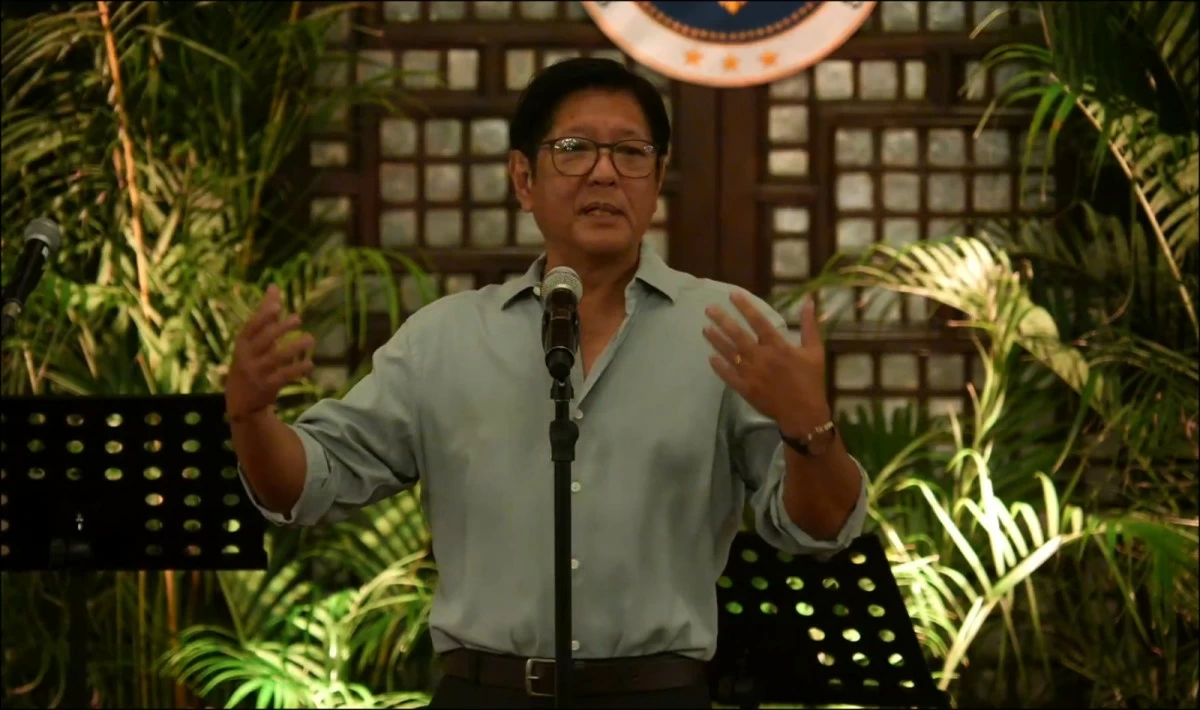
President Ferdinand 'Bongbong' Marcos Jr. speaks at his annual media fellowship in Malacañan in December. (Malacañang)
Despite being dragged into the mess by resigned lawmaker Zaldy Co, Marcos repeatedly told the public he would see the crackdown through, asserting that the government would continue to pursue filing criminal cases against all those involved in flood control irregularities.“Ako ang nagsimula nito. Ako rin ang magtatapos (I started this. I will finish this),” he said in one of his video reports.
The flood control scandal broadened into the largest corruption case of his administration, stretching across DPWH offices, private contractors, local officials, and politically connected personalities.
Ghost projects, fake documents
The President disclosed that several flood control projects—including a P100-million structure in Davao Occidental—were never built despite the full release of funds. Citing the Ombudsman, Marcos said the respondents issued and approved documents used to request and release the full amount, even if no project existed. Investigators also found falsified certificates, fabricated completion photos with no timestamps, and nonexistent construction sites. Indigenous communities even executed joint affidavits affirming that no work ever began.
The Ombudsman later ruled these acts showed “partiality, bad faith, or gross negligence,” causing “undue injury to the government” and giving “unwarranted benefits” to contractors—grounds for charges of malversation, a non-bailable offense. The President ordered the Department of the Interior and Local Government (DILG) and the Philippine National Police (PNP) to track suspects’ whereabouts immediately, particularly businessman Zaldy Co, whom he accused of hiding air assets abroad.“You may have the money to run, but you cannot outrun the Republic of the Philippines,” Marcos said.
Asset recovery
By October, the administration secured Anti-Money Laundering Council (AMLC) freeze orders on aircraft and other assets linked to suspects, including those registered overseas.
The Department of Justice (DOJ) announced that private contractor Henry Alcantara had already returned P110 million and committed to return another P200 million within weeks.
“This government intends to bring back every peso, every asset, every person responsible,” Marcos said.
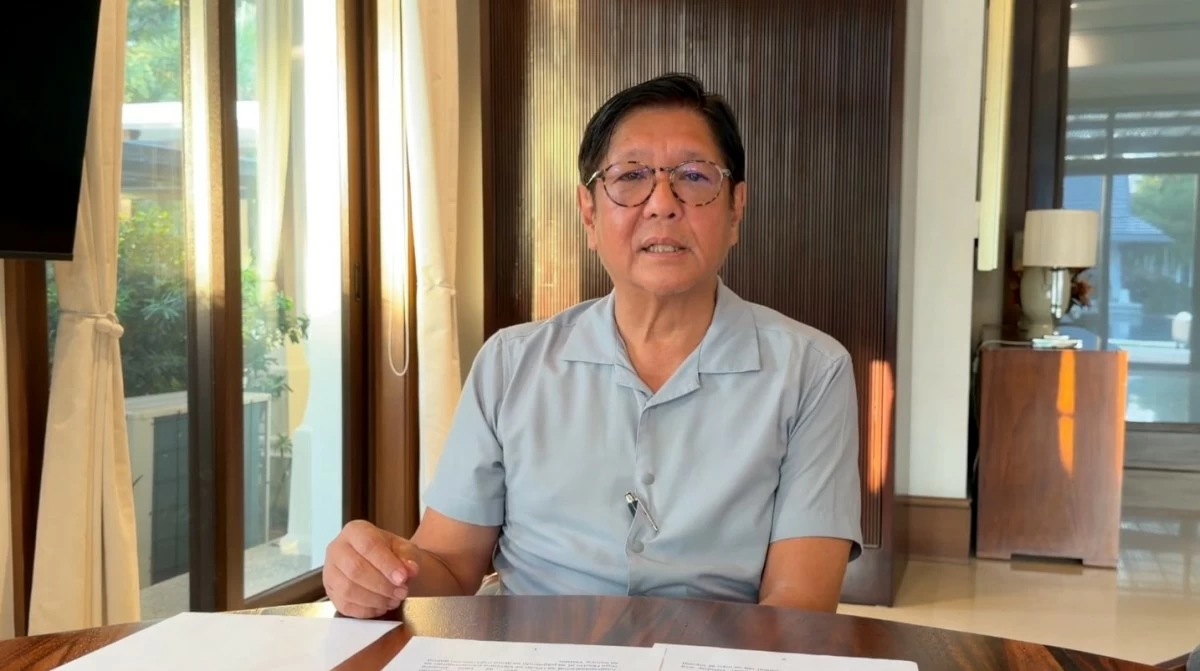
President Ferdinand 'Bongbong' Marcos Jr. (PCO screenshot)
Personalities implicated
In November, Marcos said the ICI’s first batch of case referrals, transmitted to the Office of the Ombudsman on Sept. 29, involved 37 individuals, including sitting senators Joel Villanueva and Jinggoy Estrada, former House appropriations chair Zaldy Co, former Caloocan Rep. Mitch Cajayon-Uy, Commission on Audit Commissioner Mario Lipana, and former DPWH Secretary Manuel Bonoan.
Also implicated were former DPWH undersecretaries Roberto Bernardo and the late Maria Catalina Cabral, other DPWH officials from Bulacan and Region IV-B offices, and representatives of private contractors allegedly involved in anomalous projects.
The President said the cases included criminal charges for graft and corruption, malversation, falsification, and plunder, as well as administrative charges for violation of the Code of Conduct for Public Officers.
The ongoing corruption scandal likewise led to a major Cabinet revamp following the resignation of Manuel Bonoan, former Chief Justice Lucas Bersamin, and Amenah Pangandaman as DPWH secretary, Executive Secretary, and Department of Budget and Management (DBM) secretary, respectively.
Vince Dizon was tapped to head the DPWH, while Ralph Recto stepped in as the new Executive Secretary. Frederick Go (former Special Assistant to the President for Investment and Economic Affairs) was chosen to lead the Department of Finance (DOF). However, Marcos said that resignation does not absolve individuals from accountability should their involvement in the scandal be proven.
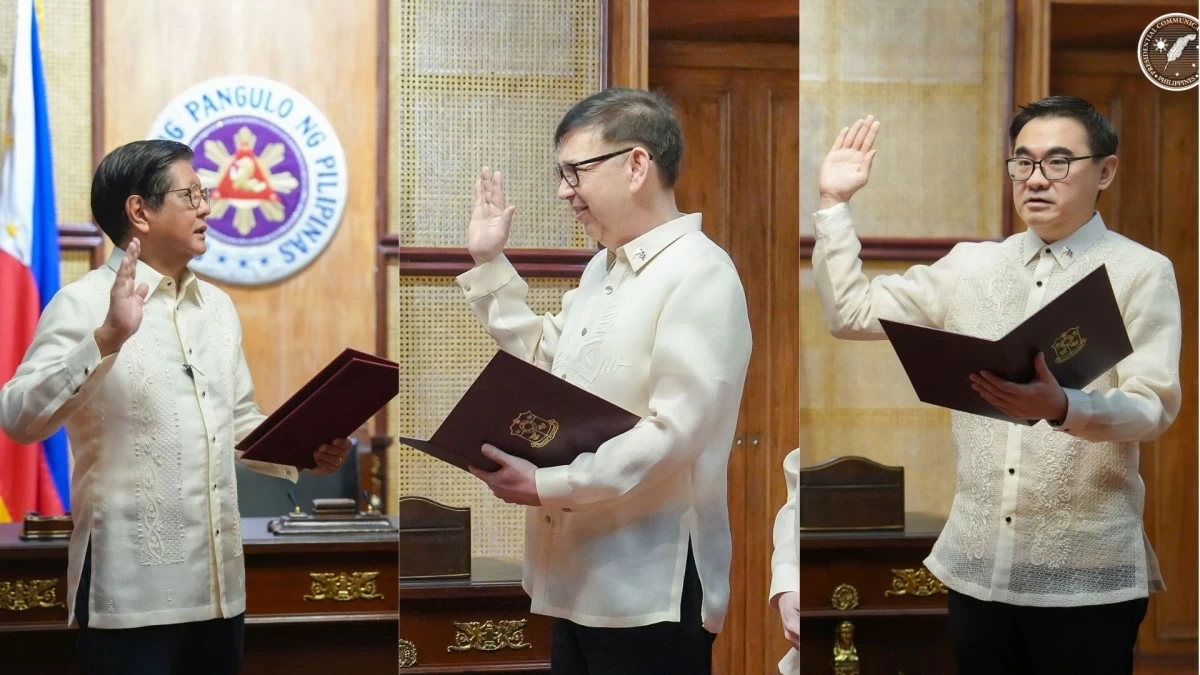
President Ferdinand 'Bongbong' Marcos Jr. administers the oath of office of Ralph Recto and Frederick Go as the new Executive Secretary and Department of Finance secretary, respectively, in Malacañan, on Nov. 19, 2025. (PCO)
Generational reset
Throughout the turbulence, the President insisted his anti-corruption drive was not an act in a political theater but a systemic reform.
“This is not easy to explain to the average citizen,” he admitted. “They are not concerned about structural training or ideological ideas. They just want their everyday lives to improve.”
He said the administration would stay the course despite backlash.
“We know what we are doing. And we will continue this campaign on corruption,” he said.
The President likewise hoped history would see the sacrifices differently. “Mahirap yung nangyari pero kailangan ng gawin at worth it yung pagdusa na pinagdaanan natin para sa naging resulta (What happened was difficult, but necessary, and the suffering was worth it for the result),” he said.
He repeated that corruption reform is not cosmetic but structural. “We cannot move forward if we continue doing things the same way they were done for 30 years,” he added.
Landmark laws
Beyond addressing corruption, President Marcos signed landmark laws this year.
Over a year after declaring the ban of Philippine Offshore Gaming Operations (POGO) in the country, he signed into law the Republic Act (DA) No. 12312 or the Anti-POGO Act of 2025. It repeals the law taxing gambling entities known as POGO, which have been linked to multiple criminal acts such as financial scamming, money laundering, prostitution, human trafficking, kidnapping, brutal torture, and even murder.
The law, signed in October 2025, prohibits any person or entity from conducting or offering offshore gaming operations, as well as establishing, operating, or accepting any form of betting for offshore gaming operations.
Year 2025 was marred by massive natural disasters hitting the country, exposing its vulnerability to floods and earthquakes. In September, Marcos signed into law RA 12287, or the Declaration of State of Imminent Disaster Act, creating a mechanism that empowers the government to act before a calamity strikes. The measure ensures that the government can act before catastrophe strikes, rather than only after damage is done.
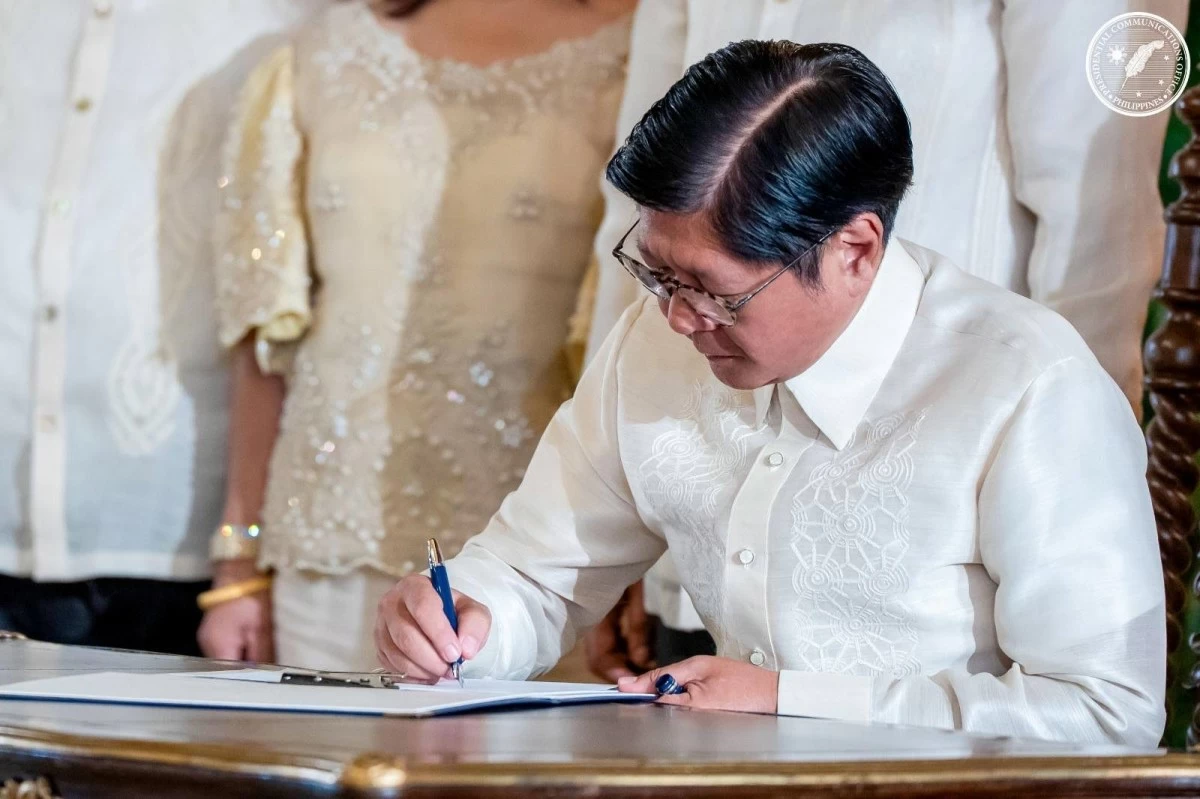
President Ferdinand R. Marcos Jr. (Photo courtesy of PCO)
Since assuming the presidency, Marcos has been constantly stating he is bent on digitalizing government processes. Also in September, he signed RA No. 12254 or the E-Governance Act, which institutionalizes the transition to digital government services. Under the law, the government shall implement a "regulated, secure, and robust information and communication system" to facilitate responsive and transparent online citizen-centered services.
The act covers all executive, legislative, judicial, and constitutional offices, including local government units (LGUs), state universities and colleges (SUCs), government-owned or-controlled corporations (GOCCs), and other instrumentalities. It shall also cover back-end government operations between and across agencies and government-to-government transactions.
The law ordered the Department of Information and Communications Technology (DICT) to craft an E-Government masterplan that will serve as a blueprint for the development and enhancement of all electronic government service processes and workforce to achieve digital transformation in the bureaucracy.
The Marcos administration has been heavy on attracting foreign investors, which is also among the top priorities of the President when visiting other countries. This year, Marcos signed RA No. 12252, amending the Investors’ Lease Act to allow foreign investors to lease private lands in the Philippines for up to 99 years, under stricter safeguards and accountability measures.
The new measure, approved on Sept. 3, aims to encourage foreign investments while ensuring a stable environment for foreign investors by making lease contracts more reliable.
It also adopts a "flexible and dynamic policy" on the granting of long-term leases on private lands to foreign investors for the establishment of industrial estates, factories, assembly or processing plants, agro-industrial enterprises, land development for commercial use, tourism, agriculture, agro-forestry, ecological conservation, and other similar priority productive endeavors.
Although Marcos did not sign the Konektadong Pinoy Act, it lapsed into law in August. It seeks to broaden internet access, streamline the licensing process for internet service providers, and aims to allow new and small players to enter the market. It was seen as a step towards making the Philippines a regional ICT powerhouse.
It aims to develop and sustain new communication technologies and the best quality of data transmission services at an affordable cost and at standards consistent with the needs of the people.
Some groups have raised concerns over the measure, citing national concerns and the weakening of regulatory oversight over new data transmission players. The DICT, however, said the government "will never allow deregulation at the expense of security or public interest."
In August, the President signed RA No. 12231, or the Government Optimization Act, which aims to optimize the national government for efficient public service delivery.
The law authorizes the President to optimize the operations of the Executive Branch by eliminating redundant posts. It covers all agencies of the Executive Branch, including departments, bureaus, offices, commissions, boards, councils, and all other entities attached to or under their administrative supervision. It also covers GOCCs not covered by the GOCC Governance Act of 2011. It was also this year when Marcos approved renaming the National Economic and Development Authority (NEDA) into the Department of Economy, Planning, and Development (DEPDev) through RA No. 12145, known as the Economy, Planning, and Development Act.
DEPDev
The Chief Executive also signed RA No. 12290, or the Virology and Vaccine Institute of the Philippines, which seeks to establish a Virology and Vaccine Institute focusing on research and development to address disease-causing agents affecting plants, animals, and humans.
According to the law, "it shall be a venue for scientists, researchers, government agencies, research institutes, and other organizations in the Philippines and abroad to work collaboratively in studying viruses and other pathogens of agricultural, industrial, clinical, and environmental importance.
"Under the law, a Virology and Vaccine Institute shall be established to undertake discovery programs in the field of virology and related disciplines, including molecular biology, bioinformatics, and other related fields of research. It shall conduct vaccine research primarily from discovery to the pre-clinical phase of development and research and development of diagnostics and therapeutics on viruses and other pathogens.
Recognizing the importance of registered agriculturists in nation-building and development, Marcos signed in June RA No. 12215, which ordered the creation of the Professional Regulatory Board of Agriculture.
The Act provides for the examination, registration, and licensure of agriculture practitioners; supervision, control, and regulation of the practice of the agriculture profession in the Philippines; development and upgrading of the Bachelor of Science (BS) in Agriculture curriculum; development of the professional competence of registered agriculturists through Continuing Professional Development (CPD); and the integration of the agriculture profession.
Health, education reforms
This year, President Marcos ordered the implementation of the zero balance billing policy in Department of Health (DOH)-listed hospitals, which he announced during his fourth SONA.
According to Malacañang, a few months after the President made the announcement, more than one million Filipinos have benefited from the policy designed to ease the financial burden on patients and improve healthcare access in the country.
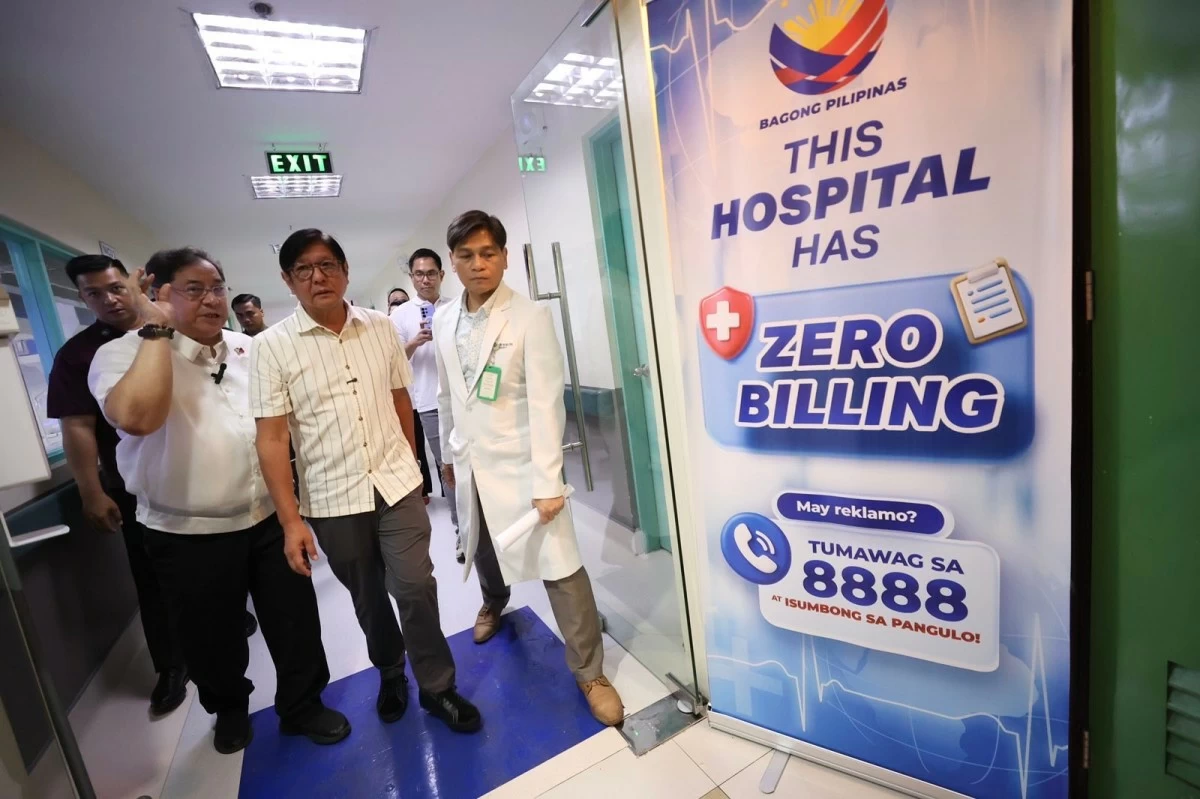
President Ferdinand R. Marcos Jr. visits the East Avenue Medical Center in Quezon City on Aug. 19, 2025 to oversee the implementation of the zero-balance billing program in the hospital. (Photo courtesy of PPA)
In education, the Marcos administration advanced comprehensive reforms aimed at enhancing learning opportunities and outcomes.
The signing of the Expanded Tertiary Education Equivalency and Accreditation Program (ETEEAP) Act enabled working professionals to earn college degrees through the recognition of prior learning and work experience.Education reforms were prioritized through the fine-tuning of the K–12 curriculum, the signing of the Early Childhood Care and Development System Act, the addition of thousands of new teaching posts, and support for teachers’ welfare and professional growth.
At the same time, Marcos ordered the strengthening and wider reach of the Unified Student Financial Assistance System for Tertiary Education (UniFAST) to provide financial support to more deserving college students.
Security, peace and order
The President maintained full support for the Armed Forces of the Philippines (AFP), pushing forward modernization efforts and internal and external security measures.
In fighting crime, the President ordered heightened police patrols, faster response time for emergencies through the new Unified 911 System, and intensified operations against drug syndicates.
For the welfare of military and uniformed personnel, the President approved an adjustment in base pay to be implemented in three tranches beginning on Jan. 1, 2026, and raised the daily subsistence allowance to P350.
Marcos also signed RA. No. 12177 or the Free Legal Assistance for Military and Uniformed Personnel Act in April. Under the law, the State shall provide free legal assistance to military and uniformed personnel in criminal, civil, or administrative proceedings arising from service-related incidents. Free legal assistance shall include legal representation; legal consultations; preparation of pleadings, motions, memoranda, and all other forms and documents; court fees and other related fees; and notarization of documents.
Diplomacy
President Marcos pursued an active foreign policy throughout 2025, strengthening alliances and expanding regional and global partnerships.
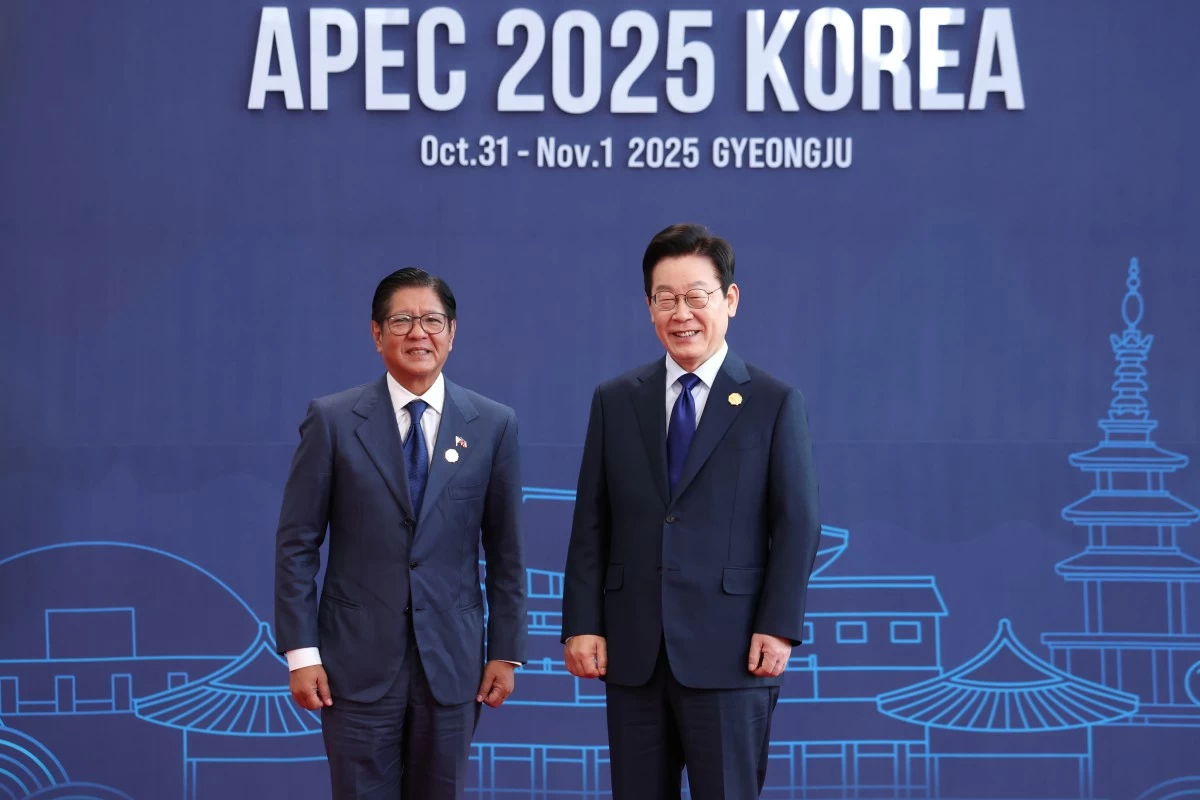
President Ferdinand 'Bongbong' Marcos Jr. and South Korean President Lae Jae-myung (APEC 2025 KOREA/Yonhap News)
State visits to Cambodia and India, participation in Association of Southeast Asian Nations (ASEAN) engagements, and high-level meetings during the Asia-Pacific Economic Cooperation (APEC) Summit further underscored the Philippines’ commitment to multilateralism, regional stability, and international trade and security partnerships.
In November, President Marcos formally launched the Philippines’ ASEAN 2026 Chairship with the theme “Navigating our Future, Together,” focusing on peace and security anchors, prosperity corridors, and people empowerment.