







What to do on Christmas Day: Reclaiming the true meaning of Christmas
Published Dec 25, 2025 12:01 am
|
Updated Dec 24, 2025 10:54 am


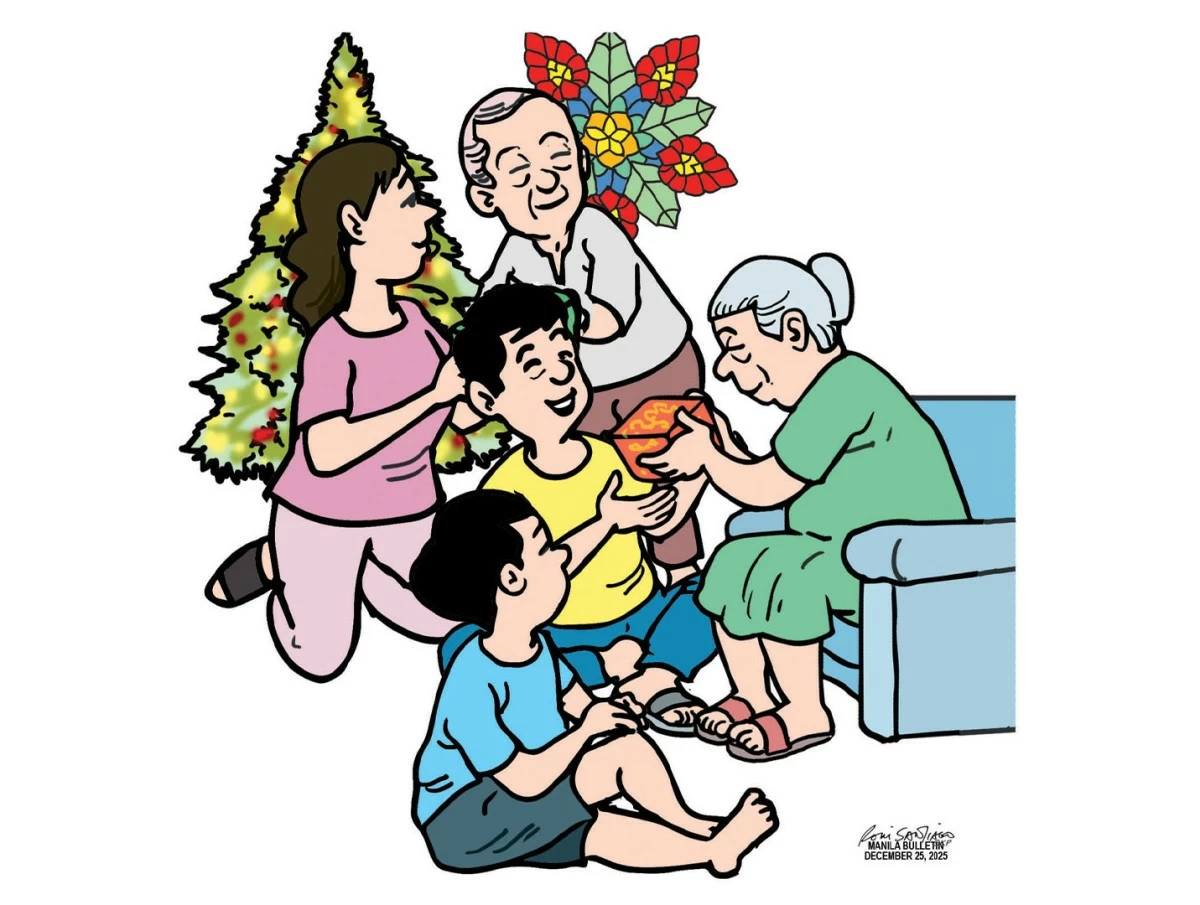
Christmas Day is celebrated across the world with joy, color, and festivity. Yet beyond the decorations, music, and exchange of gifts lies the true foundation of the day—the birth of Jesus Christ. His humble arrival in Bethlehem symbolizes love, sacrifice, and hope for humanity. When these values guide how we spend Christmas Day, the celebration becomes meaningful rather than merely festive.
The first and most important thing to do on Christmas Day is to spend time with family. The story of Christ’s birth begins with Mary and Joseph welcoming a child in the simplest of surroundings, reminding us that love and togetherness do not depend on wealth or comfort.
Sitting together for a shared meal, exchanging thoughts, and listening to one another strengthen bonds often neglected in daily life. By being fully present with family, we honor the spirit of Christmas in its purest form. Presence in the family gathering can also be measured by the time one is away from social media and following how friends and colleagues are spending Christmas Day.
Christmas Day is also a time to practice gratitude. The birth of Christ is itself a gift given to the world, encouraging reflection on the blessings we often overlook. Gratitude may be expressed through prayer, quiet reflection, or heartfelt conversation. Being thankful for family, health, guidance, and resilience helps shift focus away from what we lack toward what truly matters.
True gratitude, however, should move beyond reflection and express itself through action. Acts of kindness are at the heart of the Christmas message. Jesus Christ’s life and teachings consistently emphasized compassion, generosity, and care for the less fortunate.
Christmas Day provides an ideal opportunity to live out these values. Visiting elderly relatives, helping a neighbor, sharing a meal with someone in need, or offering emotional support to the lonely are meaningful ways to celebrate the day. Even small gestures—kind words, thoughtful messages, or simple assistance—can bring warmth and hope to others.
In contrast, the growing commercialization of Christmas often distracts from these values. Excessive focus on shopping, expensive gifts, and social display can create stress and disappointment, overshadowing the humble circumstances of Christ’s birth. Choosing simplicity is a conscious decision to reclaim the true meaning of Christmas. Thoughtful, meaningful gifts and shared experiences carry far greater value than material excess.
Christmas Day is also an opportunity to guide younger generations toward lasting values. When children witness acts of kindness and generosity, they learn that Christmas is not about receiving but about giving. These lessons foster empathy, responsibility, and gratitude that extend well beyond the holiday season.
Ultimately, what to do on Christmas Day is simple yet profound. Be present with family, reflect with gratitude, and choose kindness over excess. When we consciously align our actions with the message reflected in the birth of Christ, Christmas becomes more than a celebration—it becomes a reminder of how we should live every day of the year, with compassion, humility, and love.